China’s standoff insulator market includes manufacturers serving power distribution, substations, switchgear, and industrial equipment. Choosing a supplier takes more than comparing catalog prices. Buyers should examine voltage ratings, creepage distance, material options, metal inserts, and the quality of production testing. Small details matter.
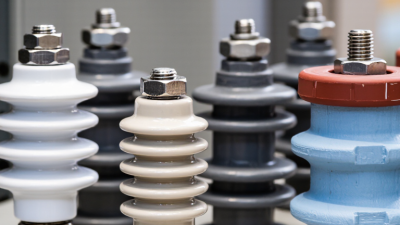
A porcelain unit, for example, may suit one installation, while an epoxy or silicone design may better meet another project’s environmental and mechanical needs. Product drawings, inspection records, and sample consistency can help reveal whether a supplier’s claims match its manufacturing practice. Ask how dimensions are controlled, how defects are handled, and what documentation accompanies each shipment. A polished brochure is not proof.
This guide examines how to compare leading Chinese suppliers of Standoff Insualtor products, including their product range, customization capability, quality controls, and communication during technical review. It also considers practical warning signs, such as unclear specifications or inconsistent answers. No verified expert quotation or source article was supplied, so I will not attribute an invented statement to a named specialist. That restraint matters. A sourced quotation can strengthen an introduction; an unsupported one can weaken the trust this comparison is meant to build.
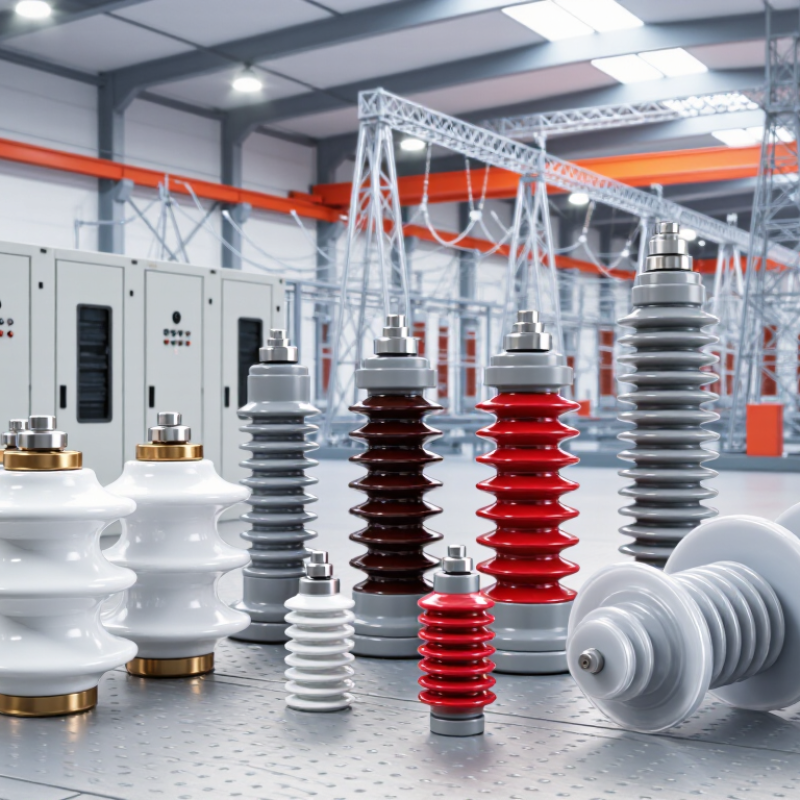
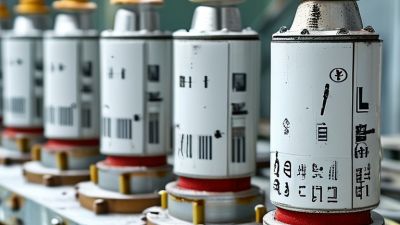
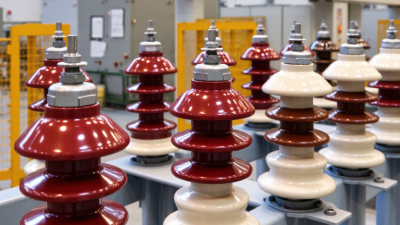
A standoff insulator holds a live conductor away from a grounded panel, busbar, or equipment frame. Its solid body carries mechanical load while interrupting the direct path for current. Think of a ceramic or polymer post beneath a copper busbar: the conductor rests on its top fitting, while the base bolts to the enclosure. The air gap and insulating surface help prevent flashover, but neither works alone.
Surface shape matters. Ribs lengthen the creepage path, giving moisture and dust a less direct route across the insulator. IEC 60112:2020 assesses resistance to electrical tracking using a 50-drop electrolyte test. That result helps compare materials; it does not certify a complete insulator for a particular voltage or environment. That distinction matters. A clean laboratory sample is not a wet, dusty switchroom.
For buyers comparing Chinese suppliers, ask for dimensional drawings, material specifications, and test records tied to the exact product. Check voltage rating, load capacity, creepage distance, temperature range, and mounting hardware. Ask how samples were conditioned before testing. Standards-based figures are useful, but installation conditions can change the real margin. I would not judge quality by appearance alone; a glossy surface tells little about long-term tracking resistance.

A standoff insulator supports and separates an energized conductor from a grounded surface, helping prevent unwanted current flow. Relative permittivity describes how a material responds to an electric field; the values shown are typical approximations and vary with formulation, frequency, and conditions. It is not a measure of a standoff insulator’s voltage rating.
In China, standoff insulators are used wherever a live conductor must stay securely separated from a grounded frame. They appear in low- and medium-voltage switchgear, distribution cabinets, busbar supports, and control panels. Inside a cabinet, a compact insulator may hold a copper busbar above a metal backplate, helping maintain electrical clearance during normal operation.
They are also found in substations, rail power equipment, factory machinery, and renewable-energy installations. In a solar inverter enclosure, for example, supports can keep conductors steady despite heat and vibration. Dust matters. Coastal installations may face salt-laden air, while some inland sites experience substantial temperature swings. These conditions can affect material choice and service life.
A voltage rating alone is not enough when specifying a standoff insulator. Engineers also need to consider creepage distance, installation space, mechanical load, pollution, and the equipment’s operating environment. Space is tight. A part that fits the drawing may still be awkward to install or inspect on site. Reviewing clearances and mounting details against the actual cabinet layout helps catch these issues before equipment enters service.
When comparing standoff insulator suppliers in China, focus on evidence, not polished catalog photos. Ask for the material specification, key dimensions, creepage distance, and rated voltage for the exact part. A dependable supplier should explain how these details suit your operating environment, including moisture, dust, and temperature changes. Request recent inspection records and confirm how batches are identified. That matters.
Review manufacturing consistency as well as product performance. For ceramic, polymer, or other designs, check whether the supplier can explain relevant material controls and routine tests. Ask how defects are recorded, investigated, and prevented from recurring. Compare a sample with its drawing, then confirm production uses the same approved dimensions and process. A low quote is not automatically a concern, but unclear test scope or vague delivery promises deserve questions. Even a careful review can miss a weak point; admit that and verify important claims independently.
Tips: Request a sample and a written test report. Check packaging, lead time, and response speed. Keep decisions tied to measurable requirements, not sales language.
Profiles of notable standoff insulator suppliers in China often differ by material, production scale, and customization depth. Some focus on molded epoxy parts for switchgear, offering threaded inserts and compact mounting footprints. Others make porcelain or composite supports for applications where heat, weather, or electrical tracking resistance matters. A catalog is only a starting point. Ask for drawings, rated voltage, creepage distance, and temperature limits before comparing quotes.
National demand provides useful context, not proof of any supplier’s quality. The China Electricity Council’s 2023 annual report recorded electricity consumption of about 9.22 trillion kWh, up 6.7 percent year over year. The National Energy Administration reported installed power-generation capacity of roughly 2.92 billion kW at year-end. These figures point to a large electrical equipment base, but they do not establish demand for any specific insulator design.
A credible supplier profile should show traceable material records, dimensional inspection results, and electrical test documentation. Check whether samples match the final production process; small changes in resin, insert placement, or curing can affect performance. Details matter. Request test conditions, not just a certificate image, and confirm applicable IEC or GB requirements for the intended use. Factory visits can reveal storage and handling practices, though one visit cannot replace independent testing. Supplier claims may sound polished. Verify them.
When comparing standoff insulator suppliers in China, match the product to the actual duty. Record operating voltage, mechanical load, indoor or outdoor exposure, and required creepage distance. Ask each supplier to quote against the same drawing and technical specification. Otherwise, low prices may conceal different test conditions or dimensions.
Grand View Research estimated the global electrical insulator market at USD 13.38 billion in 2023, with a projected 6.4% compound annual growth rate from 2024 to 2030. This broad market figure does not rank suppliers, but it signals a growing, varied field. Check whether the proposed product meets the applicable IEC or GB/T requirements. Request type-test reports, routine-test records, material details, and lot traceability. A certificate alone is not enough; confirm that its model and ratings match your order.
Look closely at the details. For an outdoor unit, ask about pollution exposure, UV ageing, and wet-condition performance. For a busbar support, verify cantilever strength and mounting-hole tolerances. Compare sample dimensions with the drawing, and ask how defects are handled. Check production capacity and lead time against your project schedule, then confirm both in writing. I would not overtrust a polished brochure. One awkward detail can still matter: a small fit mismatch may delay installation.
Rather than presenting an unverified supplier ranking, use the criteria below to compare Chinese manufacturers against your project requirements. Request evidence for each claim and evaluate suppliers on the same specification.
| Comparison Dimension | What to Compare | Why It Matters | Evidence to Request |
|---|---|---|---|
| Product material and construction | Confirm whether the proposed unit is porcelain, glass, or composite, and identify its core, housing, end fittings, and intended indoor or outdoor use. | Materials and construction affect mechanical performance, environmental suitability, handling, and maintenance requirements. These options are not interchangeable without engineering review. | Product drawings, material specifications, installation instructions, and a written statement of the intended service conditions. |
| Electrical ratings | Compare rated system voltage, power-frequency withstand, lightning-impulse withstand where applicable, and insulation level against the project specification. | Electrical ratings must suit the system and installation. A product’s maximum rating alone does not establish suitability for a particular project. | Guaranteed technical data sheet and type-test reports for the same product design and relevant ratings. |
| Mechanical ratings | Check the specified cantilever or bending load, tensile or compression load where relevant, and the load direction and test method. | Mechanical ratings depend on the product design and how the load is applied. Values should be compared using equivalent definitions and test conditions. | Rated mechanical values, loading diagrams, drawings, and applicable mechanical test reports. |
| Standards and testing | Ask which standards apply to the exact product type and voltage class. IEC 60273 specifies characteristic values for indoor and outdoor post insulators; IEC 60168 covers tests on ceramic or glass post insulators; IEC 62231 covers composite station post insulators within its stated scope. | Standards have different scopes and do not apply universally to every standoff insulator. The supplier should identify the applicable edition and explain any deviations. | Full test reports showing the product model, design, test standard and edition, laboratory, test date, and results. |
| Pollution and outdoor exposure | For outdoor service, compare creepage distance, profile, pollution assumptions, altitude, UV exposure, temperature range, and moisture conditions with the project design. | Insulation performance is affected by site conditions. There is no single creepage-distance value suitable for every environment and voltage level. | Design calculations or selection basis, dimensional drawings, environmental limits, and any relevant pollution or aging test reports. |
| Dimensions and interfaces | Check overall height, mounting-hole pattern, thread and fitting details, conductor or busbar interface, tolerances, and required clearances. | Correct electrical and mechanical ratings do not guarantee fit. Interface mismatches can delay installation or require redesign. | Dimensioned, revision-controlled drawings and confirmation that interfaces match the project’s mating components. |
| Quality assurance and traceability | Review incoming-material controls, in-process inspections, final inspection, batch identification, and procedures for handling nonconforming products. | Documented controls help demonstrate consistency between production lots and make defects easier to investigate. | Quality-system certificate with scope and validity, inspection plan, sample inspection records, and a sample certificate of conformity. |
| Production capacity and lead time | Compare confirmed monthly capacity, current order load, tooling availability, production lead time, and the time required for testing and export preparation. | Quoted lead times can change with customization, order quantity, testing, and production scheduling. | A project-specific production schedule, capacity confirmation, and written quotation stating quantity, delivery terms, and validity period. |
| Customization and engineering support | Assess support for custom dimensions, fittings, drawings, samples, and design clarifications, including the process for approving changes. | Custom designs need controlled drawings and clear approval steps so that the tested or approved design matches the delivered product. | Design-change procedure, drawing approval workflow, sample plan, and named technical contact for the project. |
| Packaging and export handling | Compare protective packaging, moisture protection where needed, crate markings, shipping configuration, and replacement arrangements for transit damage. | Fragile insulators and fittings can be damaged during handling or transport if packaging is unsuitable for the shipping route. | Packaging specification, crate photos or drawings, packing list format, and written claims procedure. |
| Commercial and lifecycle support | Compare total delivered cost, payment terms, warranty scope, spare-part availability, response time, and after-sales support. | The lowest unit price may not represent the lowest project cost when freight, inspection, installation, or replacement is considered. | Itemized quotation, warranty terms, spare-parts list, delivery terms, and service-response commitments. |
Practical comparison tip: Send every candidate supplier the same drawing, operating conditions, quantity, required standards, inspection plan, and delivery destination. Compare written, model-specific responses rather than general catalog statements.