Leave Your Message

China Top Stand Off Insulator Manufacturers and Suppliers

China’s stand-off insulator suppliers serve a market shaped by expanding power networks and demanding operating conditions. These components support conductors, busbars, and electrical equipment while maintaining separation from grounded structures. Their performance depends on more than rated voltage. Buyers also assess mechanical strength, creepage distance, material quality, and resistance to moisture, pollution, and ultraviolet exposure.

The International Energy Agency’s 2023 report, Electricity Grids and Secure Energy Transitions, says annual grid investment must rise from about USD 300 billion to more than USD 600 billion by 2030. This is a grid-infrastructure figure, not a stand-off insulator market forecast. Still, it signals why dependable components and qualified suppliers matter. In practice, small details count: a chipped edge, inconsistent dimensions, or unclear test records can complicate installation and inspection.

This guide examines China’s Stand Off Insulator manufacturers and suppliers through product range, manufacturing capability, quality documentation, and export experience. Ask for drawings, test reports, material specifications, and application references before comparing quotations. A low price alone tells little. One limitation deserves attention: no verifiable named expert quotation was supplied, so this introduction does not invent one or attribute unsupported words to an industry specialist.
China Top Stand Off Insulator Manufacturers and Suppliers

What Stand-Off Insulators Are and How They Function

A stand-off insulator is both a support and an electrical barrier. It holds a live busbar or conductor away from grounded steelwork, while resisting compression, bending, vibration, and short-circuit forces. In a switchgear cabinet, the insulator may look like a small post, but its height and shape help maintain a dependable air gap. Its surface also lengthens the path electricity must travel across the insulator, called the creepage distance. Rain, dust, salt, and industrial residue can reduce surface insulation. A clean-looking part is not always a clean electrical surface.

Pollution conditions matter when selecting outdoor insulation. IEC 60815-1:2008 gives reference unified specific creepage distances of 22, 27.8, 34.7, and 43.3 mm/kV for increasing pollution severity levels. These figures guide design; they are not universal product dimensions. Engineers also check system voltage, altitude, mechanical load, material, and mounting geometry. A longer creepage path can help, but it cannot correct poor clearances or unsuitable installation. Small details matter.

Tips: Match the insulator’s rated voltage and mechanical load to the application. Inspect for cracks, tracking marks, loose fittings, and contamination. When conditions are uncertain, review site pollution and clearance requirements with a qualified electrical engineer.
Common Types and Materials of Stand-Off Insulators

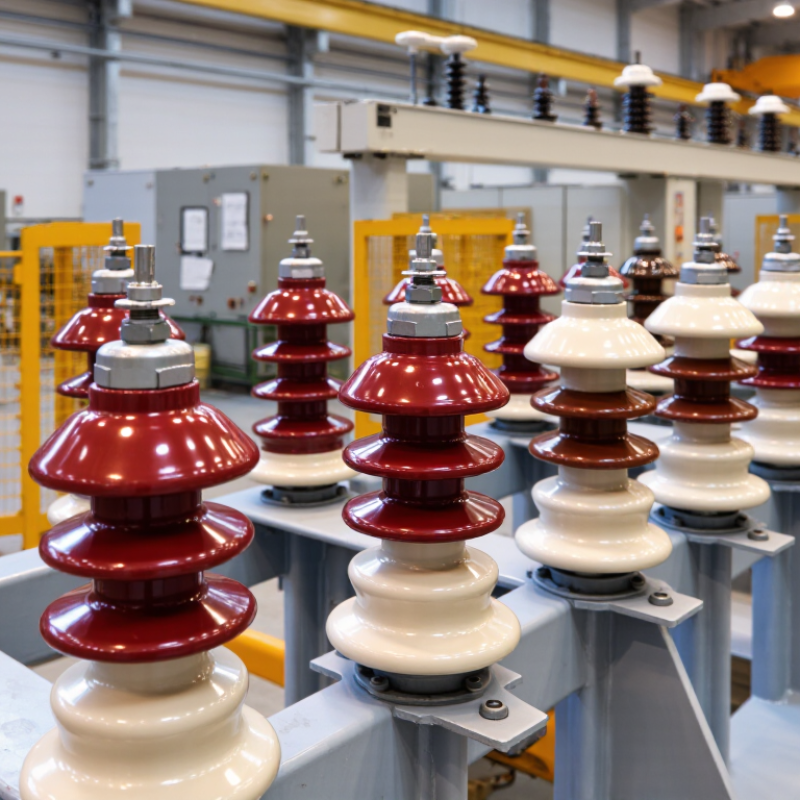
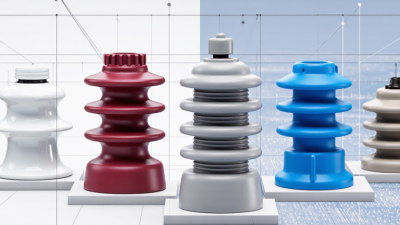
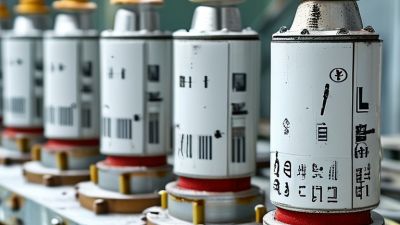
Stand-off insulators support live conductors while keeping them separated from grounded panels or equipment. Common types include porcelain, cast epoxy, and composite polymer designs. Porcelain handles heat and outdoor exposure well, but it is heavy and can crack after impact. Epoxy units are compact and often used indoors, where clean, dry surfaces help maintain insulation. Composite designs typically use a fiberglass core with a silicone outer layer. They are lighter and resist surface contamination, though material quality and weather exposure matter.

Shape and material both affect performance. A ribbed surface can increase the leakage path, called creepage distance, which matters in damp or polluted locations. Check the rated voltage, mechanical load, mounting dimensions, and operating environment together. A part that fits the voltage may still be unsuitable for vibration or heavy busbars. Small details count.

Tips: Compare the insulator’s creepage distance and load rating with the actual installation. Inspect for chips, cracks, or loose fittings before use. Selection is not always straightforward; site conditions can change the answer.

How Stand-Off Insulators Are Manufactured and Tested

Stand-off insulators begin with a material choice matched to voltage, mechanical load, and the working environment. Ceramic bodies are shaped and fired; epoxy parts are cast in molds, while some polymer designs use molded housings around a supporting core. Metal inserts are positioned carefully so mounting holes stay aligned. Small shifts can cause trouble later.

After forming, parts are trimmed, cleaned, and checked for cracks, voids, sharp edges, and dimensional variation. A clean surface matters. Coatings or sheds, when specified, must be even and firmly bonded. Manufacturers also verify insert placement and thread condition, since a beautiful exterior cannot reveal every internal flaw. That point is easy to overlook.

Testing commonly includes insulation resistance, dielectric withstand, and checks of dimensions and mechanical strength. Depending on the design, samples may also face heat, moisture, or environmental conditioning before electrical tests are repeated. Test voltage and duration should follow the product specification, not guesswork. Records link results to production batches and help identify drift. Still, a laboratory test cannot reproduce every installation condition. Clear handling instructions and periodic inspection remain important, especially where dust or moisture may collect around the insulator.

China Top Stand Off Insulator Manufacturers and Suppliers - How Stand-Off Insulators Are Manufactured and Tested

Stage or Test Material or Process What Is Checked Purpose and Acceptance Basis
Design and specification review Porcelain, epoxy resin, or composite construction; electrical and mechanical interface drawings Rated voltage, creepage distance, mounting dimensions, load requirements, environment, and applicable standards Confirms the design matches the intended installation. Requirements are set by the approved drawing, customer specification, and applicable standards.
Raw-material inspection Ceramic body materials, resin and hardener, silicone elastomer, fiberglass reinforcement, and metal fittings, as applicable Material identification, supplier certificates, visual condition, and specified incoming material properties Helps prevent out-of-specification materials from entering production. Inspection criteria depend on the product design and procurement specification.
Forming the insulating body Porcelain: forming and drying; epoxy: metering, mixing, and casting; composite: fiberglass core preparation and elastomer molding Shape, surface condition, mold filling, visible voids or cracks, and dimensional consistency Produces the insulating profile and mounting geometry. Process settings vary with material, part size, and tooling.
Curing, firing, or vulcanization Porcelain is fired; cast epoxy is cured; silicone composite sheds are molded and vulcanized around the core Recorded process cycle, part appearance, bonding or interface condition, and batch traceability Develops the material’s intended properties and helps control defects. Time and temperature are material- and process-specific.
Fitting attachment and finishing Metal inserts or end fittings are assembled using the design-specified method; surfaces and edges are finished as required Fitting alignment, thread and hole dimensions, attachment condition, and visible damage Ensures the insulator can be mounted correctly and transfers mechanical loads through the intended interfaces.
Visual and dimensional inspection Finished insulator and fittings Cracks, chips, flash, surface defects, overall height, creepage profile, mounting dimensions, and fitting position Screens for visible defects and verifies fit. Limits are defined by the approved drawings and product inspection plan.
Mechanical testing Completed insulator or representative production samples Specified bending, tensile, compression, or fitting-load performance, depending on the design Checks mechanical capacity and fitting integrity. Test direction, load, sample quantity, and acceptance criteria are product-specific.
Electrical withstand testing Finished units or samples tested using the specified power-frequency or impulse test setup Electrical withstand performance under the prescribed test conditions; leakage, flashover, or breakdown observations where applicable Verifies insulation performance against the specified electrical duty. Test voltage and procedure depend on rated voltage, product type, and applicable standard.
Routine checks and traceability Production batches and finished products Inspection records, batch identification, test results, and product marking Links each product or batch to its manufacturing and inspection records. The routine-test scope follows the approved quality plan and product requirements.

Note: Test methods and acceptance limits are not universal; they should be selected for the insulator material, rated voltage, design, and applicable project specification or standard.

Leading Stand-Off Insulator Manufacturers and Suppliers in China

Leading stand-off insulator manufacturers and suppliers in China serve utilities, switchgear builders, and industrial projects. Their products support busbars and electrical equipment while maintaining clearance from grounded structures. The International Energy Agency’s 2023 report, Electricity Grids and Secure Energy Transitions, says annual grid investment must exceed US$600 billion by 2030, more than double recent levels. This is a grid-wide estimate, not an insulator-market forecast, but it signals growing pressure on component quality and supply capacity. Details matter.

When comparing Chinese suppliers, check voltage rating, mechanical load, creepage distance, material, and suitability for indoor or outdoor service. Ask for traceable test records and evidence against applicable IEC or GB/T requirements. For example, salt-fog exposure and contamination can change performance at coastal or industrial sites. A neat datasheet cannot predict every installation. Factory audits, batch consistency, and clear lead-time commitments help reveal how a supplier manages real production, not just samples. A small weakness in documentation can still slow approval.

How to Evaluate and Select a Chinese Supplier

China Top Stand Off Insulator Manufacturers and Suppliers

When evaluating a Chinese stand off insulator supplier, look beyond the quoted unit price. Define the application clearly: rated voltage, operating temperature, pollution exposure, mounting dimensions, and mechanical load. Ask for drawings, material specifications, and test reports for the exact model being offered. Confirm which test standards were used and whether production batches can be traced. A polished catalog helps, but it is not proof of consistent quality.

Tips: Send the same technical checklist to each supplier. Compare sample dimensions, report dates, lead times, packaging, and warranty terms. Keep answers in writing.

One easy-to-miss issue is fit. A small difference in bolt spacing can delay installation, even when the electrical data looks suitable. Review a sample against your drawing, including surface finish and mounting holes.

Ask how incoming materials and finished products are inspected, and whether inspection records are available. Communication matters too: a supplier should explain limits and uncertainties, not promise that every specification is effortless. If an answer is vague, request a specific document or measurement. Some details may still need a second review; that is better than assuming the first quote covers everything.