How to Choose the Right Medium Voltage Post Insulator?
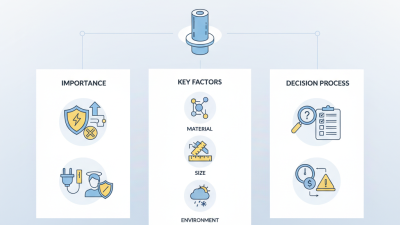
Selecting the right Medium Voltage Post Insulator is crucial for electrical infrastructure durability and performance. These insulators serve a vital role in ensuring the safety and reliability of power distribution systems. Many factors influence this choice, including material characteristics, environmental conditions, and installation requirements.
Understanding different types of Medium Voltage Post Insulators can be challenging. The market offers various options, each with unique advantages. For example, ceramic insulators are known for their longevity, while polymer insulators provide lightweight alternatives. However, what works best for one application may not suit another.
Moreover, installation practices and maintenance are often overlooked. Proper installation is essential for optimal performance. Regular inspections and timely maintenance are necessary to prevent failures. Ultimately, the decision-making process involves balancing technical specifications with practical considerations. Taking these elements into account can be a complex task, yet the right choice significantly impacts operational efficiency and safety.
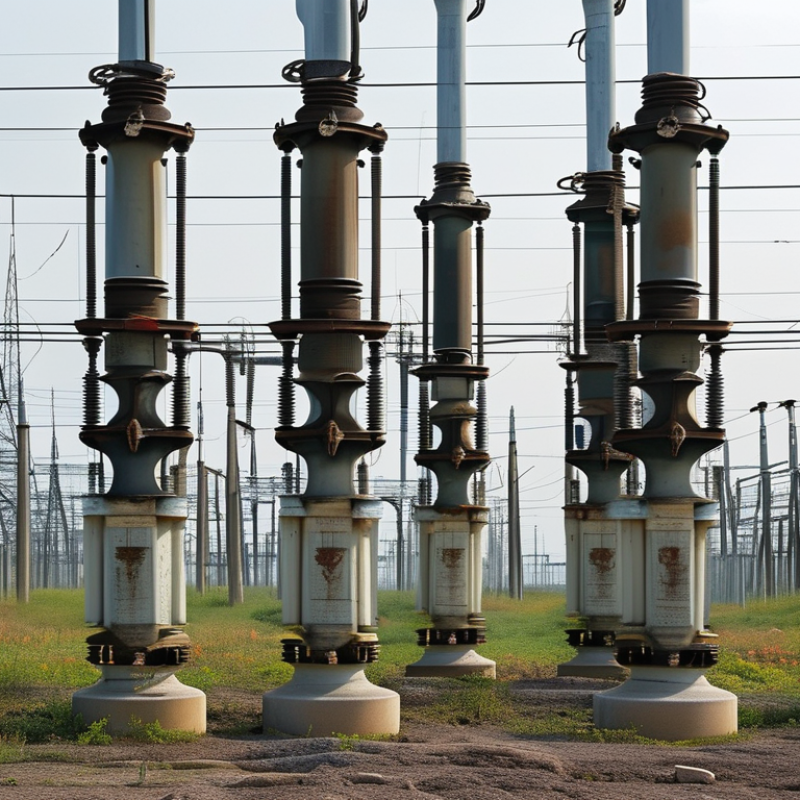
Understanding Medium Voltage Post Insulators and Their Importance
Understanding medium voltage post insulators is essential for reliable electrical systems. These insulators play a crucial role in ensuring the safety and efficiency of voltage transmission. They provide the necessary insulation between electrical conductors and their surrounding environment, preventing electrical faults.
Selecting the right insulator involves considering material properties and environmental factors. For example, porcelain and polymer insulators have distinct advantages and disadvantages. Porcelain offers excellent durability, while polymer insulators are lightweight and flexible. Evaluate your installation environment—whether urban, rural, or industrial—as this can significantly influence performance.
To enhance your selection process, analyze potential challenges such as weather conditions and mechanical stresses. Understanding voltage requirements is equally important. Choosing an insulator that exceeds your voltage needs can boost reliability. Use real-life scenarios to gauge performance. Consider installing in varying conditions to assess their adaptability. This reflection can guide your choice towards an ideal medium voltage post insulator for your specific needs.
Factors to Consider When Selecting a Medium Voltage Post Insulator
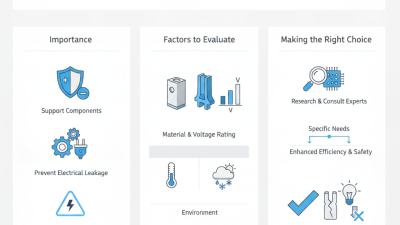
Selecting the right medium voltage post insulator is crucial in electrical systems. Several factors should guide this decision. The dielectric strength of the insulator material is a primary consideration. Insulators must support voltage levels typically ranging from 1 kV to 36 kV.
Environmental conditions play a key role. Humidity, pollution, and temperature variations can affect performance. A study by the International Electrotechnical Commission highlighted that insulators in polluted areas can lose up to 30% of their effectiveness over time. This indicates the need for careful material selection based on local climate and environmental factors.
Mechanical strength is another significant consideration. Insulators are often subjected to various stresses. Their ability to withstand these stresses is essential for long-term reliability. Industry reports show that poorly chosen insulators can lead to up to 10% higher failure rates, resulting in costly outages. Choosing materials that balance mechanical and electrical properties is vital. Advanced composites may provide better performance but come at a higher cost. Understanding these trade-offs is essential for making informed choices.
Types of Medium Voltage Post Insulators and Their Applications
When selecting medium voltage post insulators, it’s crucial to understand their types and applications. Post insulators are essential in electrical distribution systems. They support and insulate conductors in various environments. Common materials for these insulators include porcelain, glass, and polymer. Each material has distinct advantages.
Porcelain insulators are durable and can handle extreme weather conditions. They are also more resistant to UV radiation, which is critical for outdoor usage. Glass insulators, on the other hand, have excellent electrical properties and are easy to inspect for defects. Polymer insulators are lighter and more resistant to mechanical stress, making them suitable for areas with high seismic activity.
When choosing the right type, consider the installation environment. Assess factors like pollution levels, humidity, and temperature variations.
Moreover, reflect on the physical stress the insulator will face. A well-chosen insulator prolongs system reliability and performance.
Understanding power system demands is vital. They vary by region and application. Many users overlook temperature ratings. Always check the insulator's specifications. The right choice improves safety and efficiency in energy distribution. Regular maintenance is also essential. Check for wear and tear over time. Analyzing actual application performance can help in making informed adjustments.
Evaluating Material Properties for Medium Voltage Insulators
Choosing the right medium voltage post insulator involves a careful evaluation of material properties. Insulators are crucial for maintaining the integrity of electrical systems. They must withstand environmental stresses while ensuring reliable performance. Recent industry reports highlight that ceramic materials offer high mechanical strength, but are more susceptible to environmental degradation. In contrast, polymer-based insulators provide flexibility and weather resistance, making them ideal for varied climates.
The dielectric strength of insulator materials is a key property. For instance, the International Electrotechnical Commission (IEC) notes that materials like silicone rubber can achieve dielectric strengths exceeding 25 kV/mm. This ensures safety and reduces the risk of flashover. However, reliance on silicone requires awareness of its thermal aging properties, which can affect long-term reliability.
Choosing the correct insulating material can impact performance profoundly. Manufacturers must balance mechanical durability with electrical performance. The market trends indicate a growing preference for composite insulators, which combine different materials to enhance properties. For example, a combination of fiberglass and silicone rubber has shown improved arc resistance. Although promising, this approach requires further research to address potential weaknesses over time.
Installation and Maintenance Guidelines for Optimal Performance
When installing medium voltage post insulators, attention to detail is critical. Begin with site assessment. Analyze environmental factors like temperature and humidity. Choose locations that provide easy access for future maintenance. Clear the area of debris to ensure safety during installation.
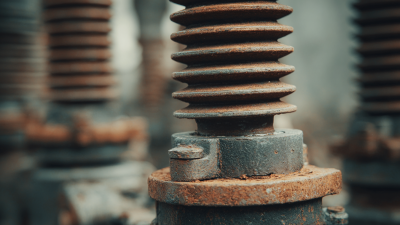
Maintenance is crucial for optimal performance. Regular inspections should be part of the routine. Check for wear, cracks, or signs of corrosion. Any imperfections can lead to failures. Address minor issues promptly to avoid costly repairs later. Keep records of maintenance activities to track the insulator’s condition over time.
Installation quality cannot be overlooked. Ensure all components are aligned correctly. Misalignment can cause stress on the insulator. Tighten connections firmly, but avoid overtightening. This can damage the insulator or affect its performance. Reflect on the entire process regularly. Consider improvements each time you install or service an insulator.