What is the Difference Between Electrical Conductor and Insulator?
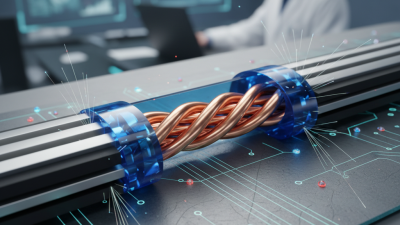
Understanding the difference between electrical conductors and insulators is crucial in the world of electronics. An electrical conductor allows the flow of electric current, while an insulator resists it. This distinction forms the foundation of electrical engineering and power distribution systems.
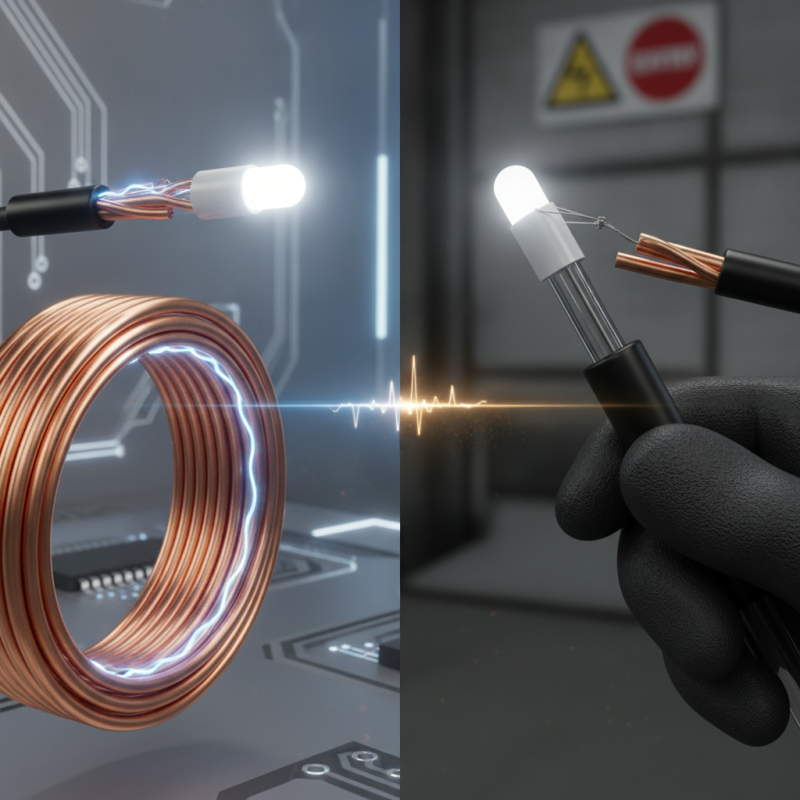
Consider copper wires, which serve as excellent electrical conductors. They seamlessly transmit electricity in homes and industries. On the other hand, materials like rubber or glass are effective insulators. They protect users from electrical shocks by preventing current flow.
The applications of conductors and insulators are vast. From power lines to electronic devices, their roles are interdependent. However, it's essential to reflect on their limitations. Not all materials fit neatly into these categories, and some can behave as both under certain conditions. Understanding these nuances can enhance our grasp of electrical safety and efficiency.
Understanding Electrical Conductors: Definition and Properties
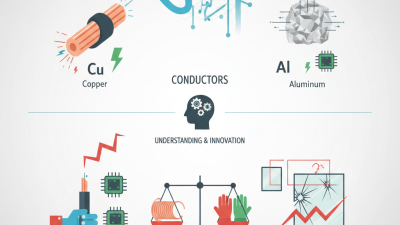
Electrical conductors are materials that allow the flow of electric current. Common examples include metals like copper and aluminum. These materials have high electron mobility. As a result, they are effective in carrying electrical signals with minimal resistance. According to the International Electrotechnical Commission (IEC), copper has a conductivity of around 5.8 x 10^7 S/m. This makes it one of the best conductors available.
In contrast, electrical insulators prevent the flow of current. Materials such as rubber, glass, and plastic exhibit high resistivity. This property makes them essential in protecting electrical systems. The ASTM (American Society for Testing and Materials) reports that the dielectric strength of glass can reach 19 kV/mm. While insulators are essential, they can sometimes fail under extensive stress or heat. This can lead to dangerous short circuits.
Understanding these properties is vital for engineers. They need to select appropriate materials for specific applications. The choice between conductors and insulators can impact efficiency and safety in electrical systems. Balancing conductivity and insulation is key to designing reliable electrical solutions.
Comparison of Electrical Conductors and Insulators
This chart compares the electrical conductivity of various materials. Conductors like Copper and Aluminum have high conductivity, suitable for electrical applications, while insulators like Rubber, Glass, and Wood have very low conductivity, preventing electrical flow.
The Role of Electrical Insulators: Definition and Characteristics
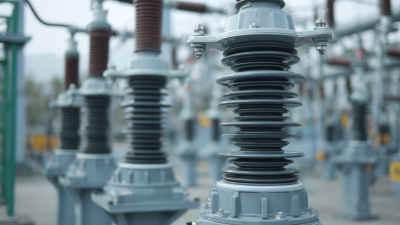
Electrical insulators play a vital role in managing electrical safety and efficiency. They are materials that resist the flow of electrical current. This quality is essential in preventing short circuits and protecting users from electric shock. According to a report by the
International Electrotechnical Commission, the global market for electrical insulators was valued at over
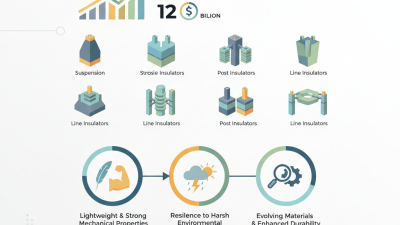
$12 billion in 2022. The demand for these materials continues to grow as industries seek safer and more efficient electrical systems.
Common insulating materials include rubber, glass, and certain plastics. These materials have high dielectric strength, meaning they can withstand significant electrical stress without conducting electricity. However, not all insulators perform equally under various conditions. For instance, environmental factors like temperature and humidity can impact their effectiveness. Some materials may degrade over time, requiring regular inspection and replacement. Understanding these characteristics is crucial for maintaining electrical systems' integrity.
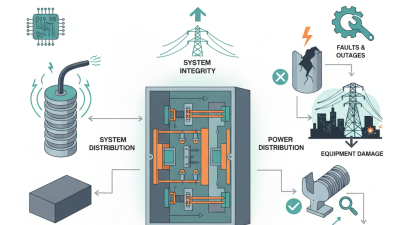
The choice of insulator can significantly affect performance and safety. Insulation failure leads to hazardous situations, often arising from overlooked details during installation. A miscalculation in selecting appropriate insulators may result in inefficiencies. Stakeholders in utility sectors continuously explore innovations in this field. The evolution of materials aims to enhance both performance and longevity. This constant advancement reflects a broader commitment to improving electrical safety standards globally.
Comparative Analysis: Conductive vs. Insulative Materials
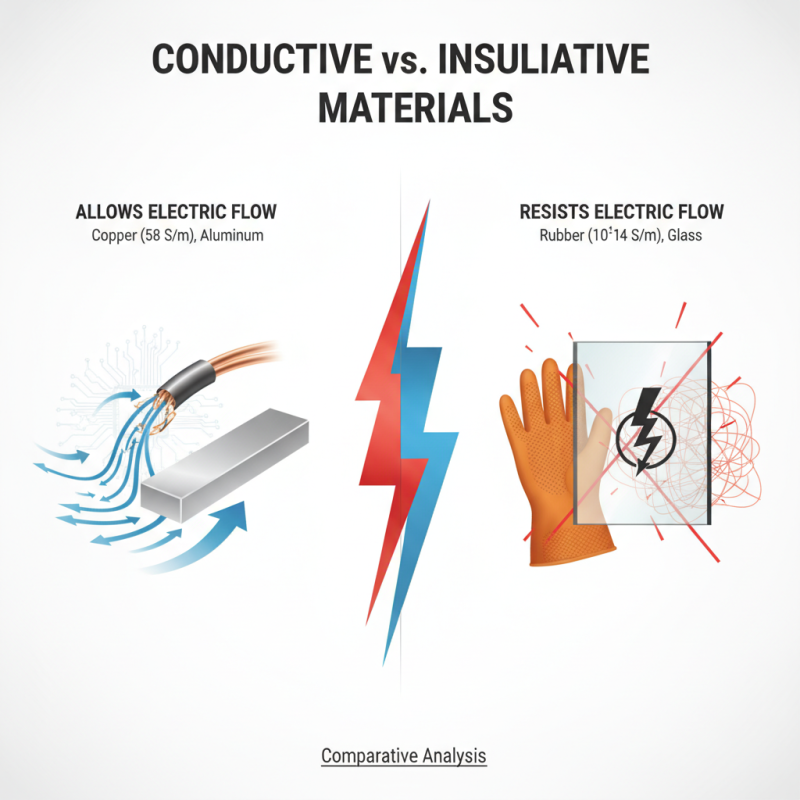
When comparing conductive and insulative materials, the core difference lies in how they interact with electric current. Conductors, such as copper and aluminum, allow electric charge to flow freely. In contrast, insulators like rubber and glass resist this flow. According to the International Electrotechnical Commission, the conductivity of copper is around 58 S/m, making it an excellent conductor, while rubber has a conductivity of about 10^-14 S/m, emphasizing its insulative properties.
The choice of material can significantly impact efficiency in electrical systems. In high-voltage applications, insulative materials are crucial. They prevent unwanted current flow, ensuring safety and reliability. Studies by the Electrical Power Research Institute indicate that proper insulator selection can reduce energy loss by up to 30%. Interestingly, some hybrid materials have emerged, blurring the lines between conductors and insulators. These materials can enhance performance, but their long-term effects on systems require further investigation.
In real-world applications, the imperfect use of these materials can lead to challenges. Over time, insulators may degrade, leading to leakage currents. Conductors might suffer from corrosion, increasing resistance. It's essential to select and maintain materials carefully to ensure optimal performance. Understanding the fundamental differences helps industry professionals make more informed decisions.
Applications in Industry: Where Conductors and Insulators are Used
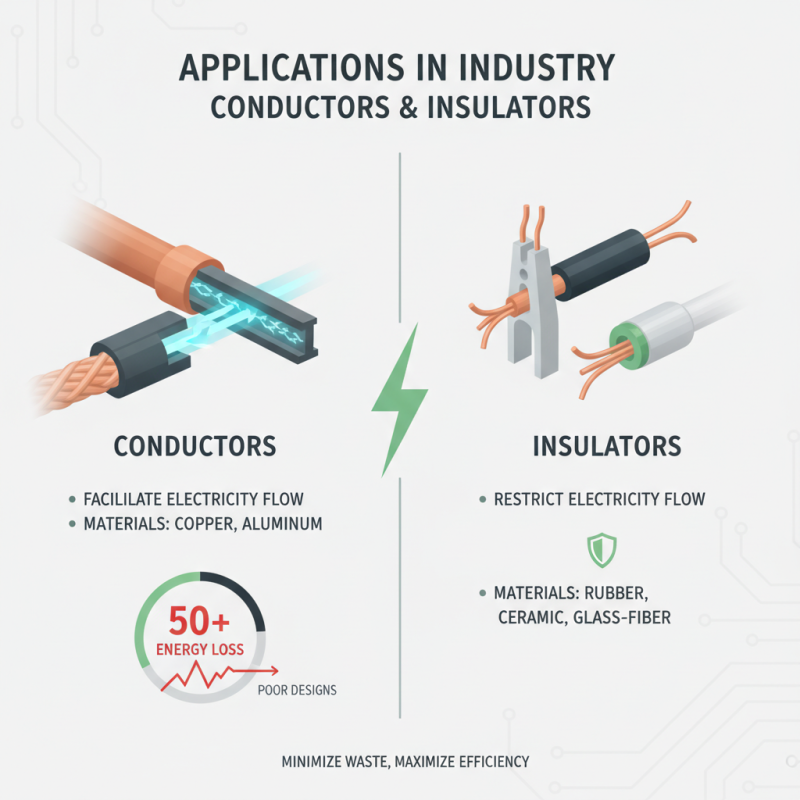
In various industries, the roles of electrical conductors and insulators are pivotal, shaping the effectiveness of systems. Conductors, such as copper and aluminum, facilitate efficient electricity flow. According to a recent industry report, over 50% of electrical energy loss occurs in poorly designed conductor systems. This indicates a significant need for high-quality materials and design strategies to minimize waste.
Insulators, on the other hand, serve as vital barriers. They ensure that electrical currents remain within desired pathways, preventing accidental contact and energy leakage. In sectors like electronics and telecommunications, approximately 30% of failures originate from ineffective insulation. This underscores the importance of selecting appropriate materials, such as ceramics or polymers, for specific applications.
Despite their essential functions, misuse or poor installation of either conductors or insulators can lead to safety hazards. Industry data suggest that inadequate insulation can double the risk of electrical fires. Professional assessments and upgrades are crucial to maintaining safety and efficiency in electrical systems.
Key Metrics: Conductivity, Resistivity, and Their Importance in Electrical Engineering
Conductivity and resistivity are crucial metrics in electrical engineering. Conductivity measures how easily electricity flows through a material. Insulators, like rubber, have low conductivity. This means they resist the flow of electric current. Conversely, conductors, such as copper, exhibit high conductivity. They allow electricity to pass through with minimal resistance. Understanding these properties is essential for designing circuits and selecting materials.
The resistivity of a material indicates how strongly it opposes the flow of electric current. Low resistivity signifies good conductivity. High resistivity means the material acts as an insulator. These metrics are influenced by temperature, material structure, and impurities. As temperatures rise, conductors may increase their resistance. This can affect performance in electronic devices. Engineers must account for these changes to optimize designs and prevent failures.
In practice, making the right choice between conductors and insulators is not always straightforward. Some materials can behave differently under varying conditions. Balancing conductivity and resistivity is key to ensuring safety and efficiency. Decision-making also involves assessing costs and availability. The complexity highlights the need for expertise and careful research.
What is the Difference Between Electrical Conductor and Insulator? - Key Metrics
| Material Type |
Conductivity (S/m) |
Resistivity (Ω·m) |
Applications |
| Copper |
5.8 x 10^7 |
1.68 x 10^-8 |
Electrical wiring, electronics |
| Aluminum |
3.5 x 10^7 |
2.82 x 10^-8 |
Aerospace, construction |
| Silver |
6.3 x 10^7 |
1.59 x 10^-8 |
Electronics, solar panels |
| Rubber |
< 10^-14 |
> 10^13 |
Insulation, protective gear |
| Glass |
< 10^-12 |
> 10^8 |
Insulators, windows |