How to Choose Low Voltage Standoff Insulators for Your Needs?
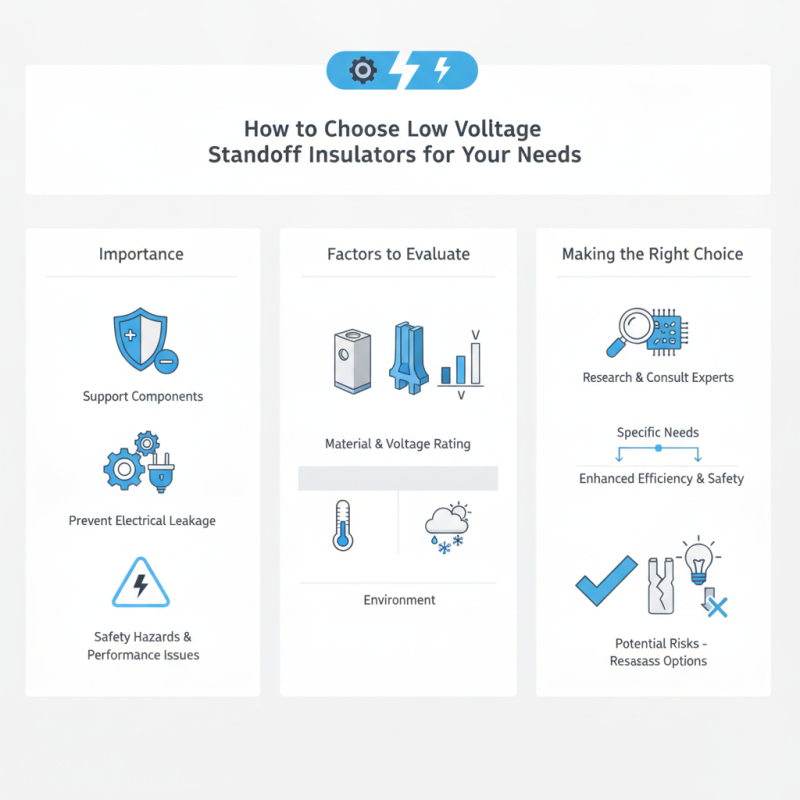
Choosing the right Low Voltage Standoff Insulators is crucial for various electrical applications. These insulators support components while preventing electrical leakage. Selecting the wrong insulator can lead to safety hazards and performance issues.
When considering Low Voltage Standoff Insulators, it's important to evaluate factors such as material and voltage rating. Various materials, like ceramic and plastic, offer different benefits. Additionally, the environment where they will be installed plays a significant role in their effectiveness. High humidity or extreme temperatures can affect their performance.
Understanding your specific needs can be complex. Not all insulators will suit every application. Conducting thorough research and consulting with experts can help you make informed choices. In the end, the right Low Voltage Standoff Insulators not only ensure safety but also enhance the efficiency of your electrical systems. Don’t overlook the potential risks; reassess your options carefully.
Understanding Low Voltage Standoff Insulators and Their Applications
Low voltage standoff insulators are essential for various electrical applications. Understanding their properties is crucial for selecting the right type. These insulators protect conductors and ensure safety in electric installations. They create a barrier, allowing for proper clearance between wires and equipment. This is vital in preventing short circuits and electrical failures.
Industry reports indicate a projected growth rate of 5.3% for low voltage insulator demand by 2028. This upsurge is due to the increasing need for renewable energy solutions and improved grid infrastructures. Standoff insulators also contribute to enhanced system reliability. Their performance depends on material choice, which can vary widely. Materials like glass, ceramic, and composite offer different benefits.
Choosing an appropriate insulator requires careful consideration. Factors include voltage ratings, environmental conditions, and mechanical stresses. An insulator that excels in one area may underperform in another. For instance, while ceramic insulators are durable, they can be more brittle than their composite counterparts. Understanding these nuances is essential for effective application and optimal safety.
How to Choose Low Voltage Standoff Insulators for Your Needs?
| Insulator Type |
Material |
Voltage Rating |
Temperature Range |
Applications |
| Porcelain Standoff Insulator |
Porcelain |
11 kV |
-40°C to 120°C |
Power distribution, railway applications |
| Polymer Insulator |
Polymeric materials |
15 kV |
-40°C to 90°C |
Telecommunication, outdoor electrical systems |
| Glass Standoff Insulator |
Glass |
10 kV |
-50°C to 130°C |
High voltage lines, substations |
| Rubber Standoff Insulator |
Rubber |
5 kV |
-20°C to 80°C |
Indoor electrical systems, light duty applications |
Key Factors to Consider When Selecting Standoff Insulators
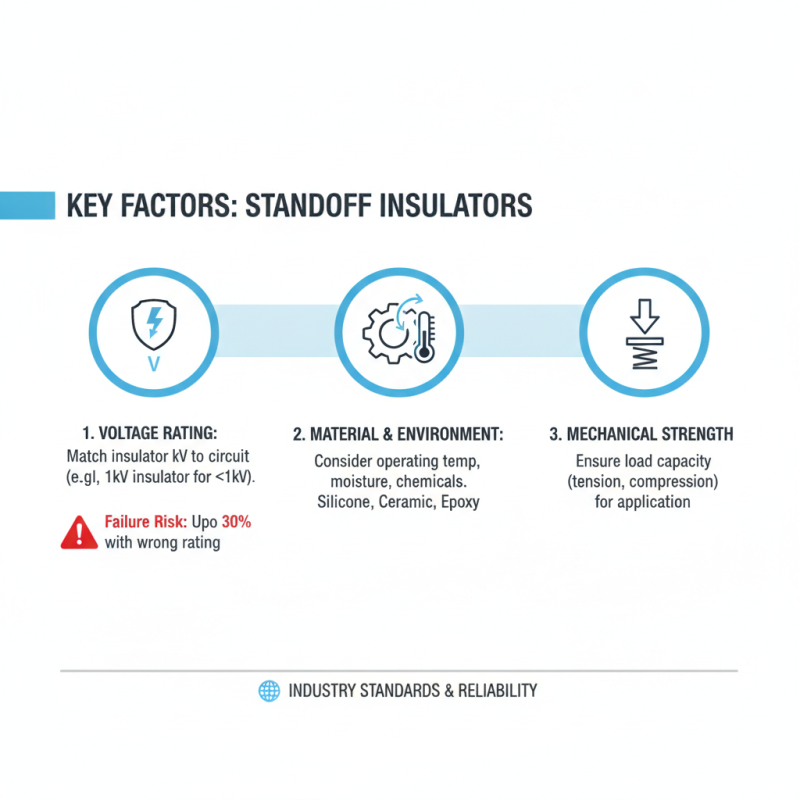
When selecting low voltage standoff insulators, several key factors must be examined. Understanding the voltage requirements is crucial. Insulators need to withstand the maximum voltage level they will encounter. For instance, insulators rated for 1kV should be appropriately chosen for circuits operating below that threshold. According to industry reports, improper voltage ratings can lead to failures in up to 30% of applications, underlining the importance of accurate specifications.
Material selection plays a vital role in durability and performance. Common materials include porcelain, glass, and advanced plastics. Each presents unique benefits and limitations. For example, porcelain is known for its high mechanical strength, but it can be heavier and more brittle than plastic options. In contrast, plastics may not perform as well in extreme temperatures. This complexity often leads manufacturers to overlook specific conditions, which poses risks.
Moreover, consider environmental factors. Standoff insulators must endure humidity, UV exposure, and temperature fluctuations. Environmental testing reports indicate that insulators exposed to harsh conditions can fail within a few years if not properly rated. Regular reflection on these aspects ensures reliability and safety in electrical applications. Making informed choices in these areas can significantly enhance performance and lifespan.
Material Types and Their Impact on Insulator Performance
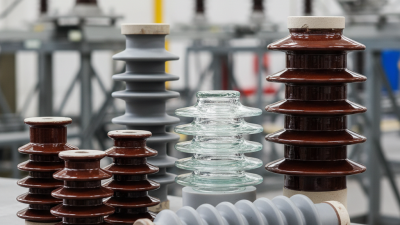
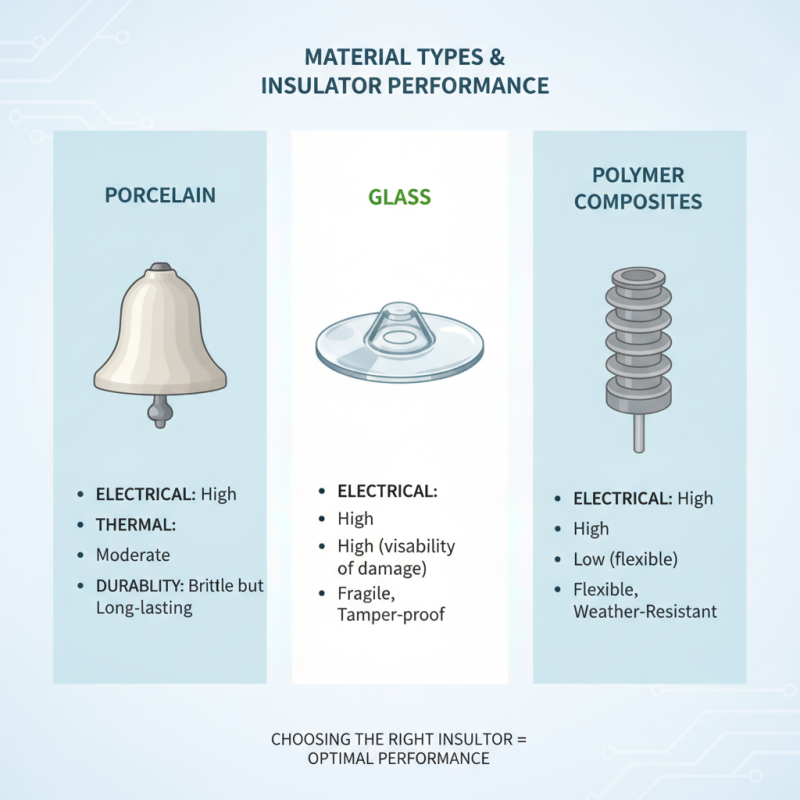
Choosing the right low voltage standoff insulator requires understanding material types and their performance impact. Various materials can influence electrical and thermal insulation properties. Common options include porcelain, glass, and polymer composites. Each material has unique characteristics that affect durability and efficiency in specific conditions.
Porcelain insulators are widely known for their strength and resistance to environmental factors. They perform well in high humidity and temperature variations. However, they may be heavier and more fragile compared to other materials. Glass insulators, on the other hand, offer excellent dielectric strength. They are less affected by UV exposure, but the risk of breakage exists, especially in extreme conditions.
Polymer insulators are lighter and more flexible. They resist pollution and moisture, making them suitable for harsh environments. However, their long-term performance may vary based on the quality of the polymers used. Selecting the right material involves assessing your operational context and future needs. Regular testing and evaluation can help ensure that the insulators continue to perform effectively over time.
Sizing and Voltage Ratings: Choosing the Right Specifications
Choosing the right low voltage standoff insulators involves careful consideration of sizing and voltage ratings. The
specifications you select can significantly impact the overall effectiveness and safety of your electrical projects. It’s vital to assess the operational voltage range and ensure the insulator can handle any potential surges.
When sizing insulators, consider the physical dimensions and the environment in which they will be used. Factors like
temperature fluctuations, humidity, and potential chemical exposure can affect performance. Remember that insulators are not one-size-fits-all. Each application may require different attributes, such as
dielectric strength and
thermal resistance.
Tips: Always verify the manufacturer's specifications to ensure compatibility with your systems. Testing insulators under real-world conditions can uncover
issues not evident in theoretical evaluations. Keep track of any discrepancies in performance; they may indicate a
need for reevaluation of your choices.
Installation and Maintenance Best Practices for Insulators
When installing low voltage standoff insulators, proper techniques are essential for optimal performance. Begin by ensuring all surfaces are clean. Dirt and debris can lead to short circuits. Use a soft brush or cloth to prepare the area. Pay particular attention to the alignment of the insulators. Misalignment can cause stress on the components, leading to premature failure.
Regular maintenance is also crucial. Inspect your insulators every few months. Look for signs of wear or damage. Sometimes, a small crack can escalate quickly. If you notice any abnormalities, replace the insulator immediately. Use appropriate tools for removal and installation to avoid additional damage.
Once installed, monitor the system’s performance. Are there any unusual noises? Vibration issues may indicate a problem. Don’t overlook your inspection routine. It's easy to forget but essential for longevity. Keep a maintenance log to track inspections and replacements. This record can help identify patterns over time, improving your upkeep strategy.