How to Choose the Right Electrical Conductor Insulator for Your Needs?
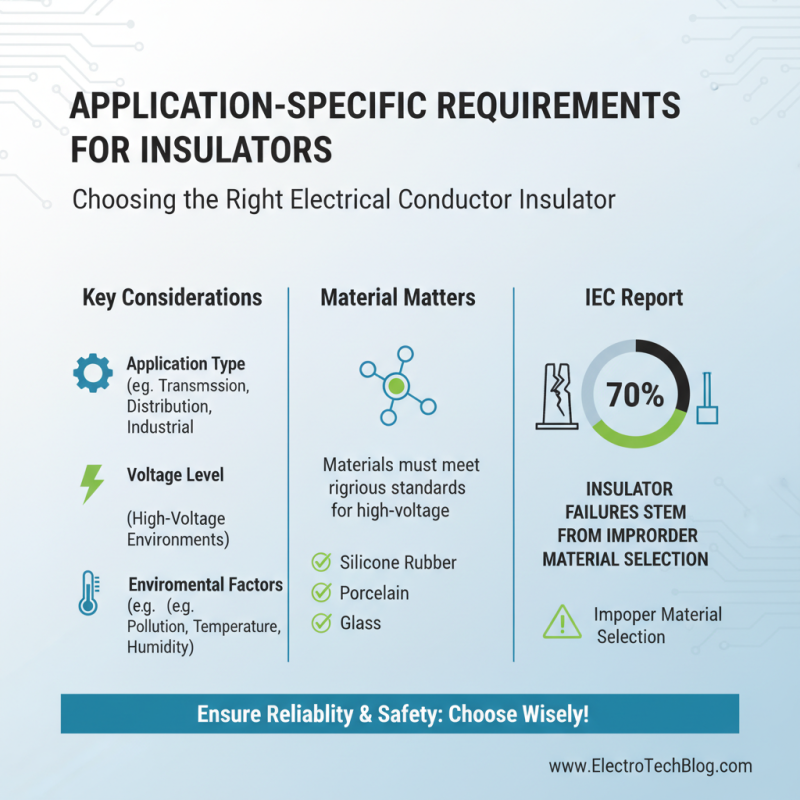
Choosing the right Electrical Conductor Insulator is crucial for any electrical project. According to Dr. Emily Carter, an expert in electrical engineering, “The right insulator can prevent failures and enhance system efficiency.” Her insights highlight the importance of understanding material properties and environmental factors.
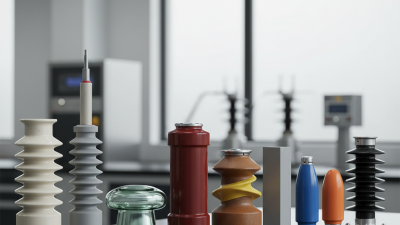
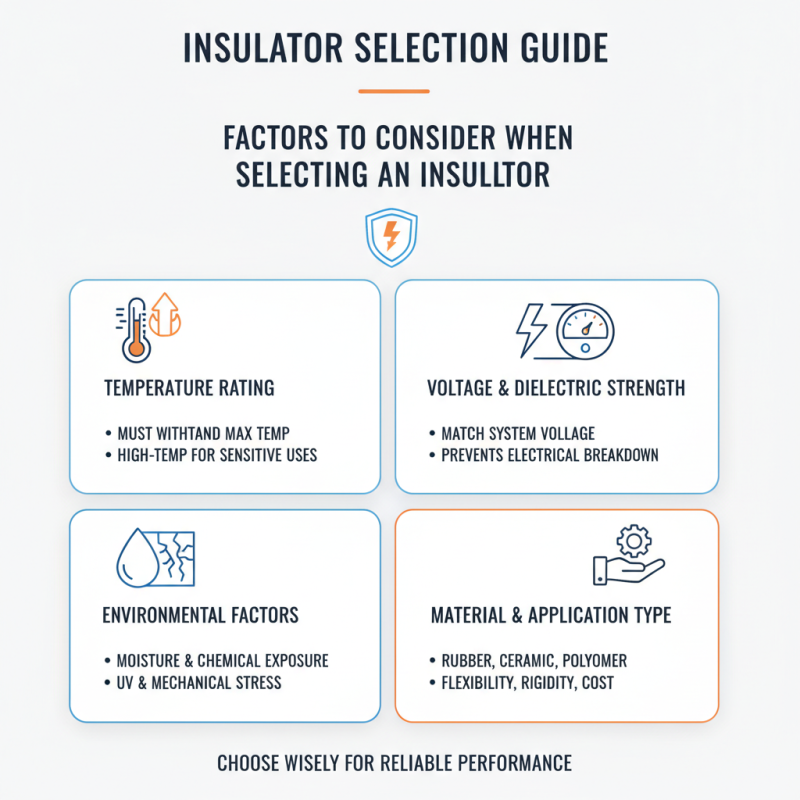
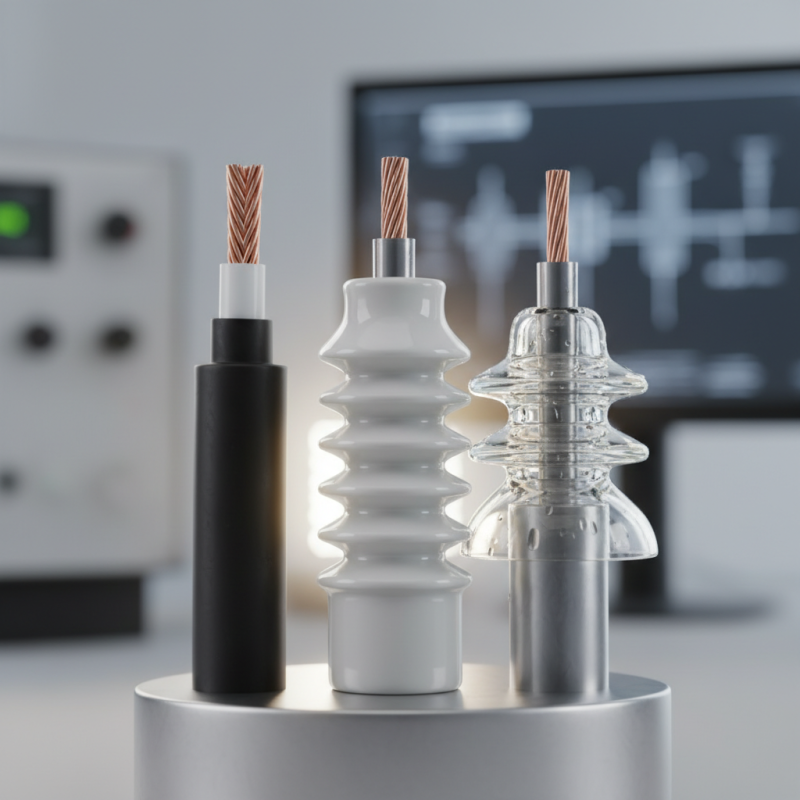
When selecting an Electrical Conductor Insulator, consider different materials. Rubber, porcelain, and glass each have unique benefits. However, selecting the wrong type can lead to significant issues. For example, in humid environments, some insulators may fail prematurely. It is essential to evaluate your project's specific needs.
Furthermore, the choice of Electrical Conductor Insulator is often overlooked. Yet, this decision can influence safety and longevity. Remember, balancing cost and performance is necessary. Engage with professionals to make informed choices. Keep in mind that every project is unique. There is no one-size-fits-all solution.
Understanding the Basics of Electrical Conductors and Insulators
When selecting electrical conductors and insulators, understanding their fundamental properties is crucial. Conductors, typically metals, allow electricity to flow freely. They are vital for creating connections in electrical systems. Common examples include copper and aluminum. Insulators, on the other hand, prevent the flow of electricity. Materials like rubber and glass serve to protect users from electric shocks.
Choosing the right materials involves evaluating your specific needs. For high-voltage applications, robust insulators are essential. They must withstand extreme conditions. If your project involves low-voltage circuits, standard insulators may suffice. However, neglecting the environment's impact could lead to failures.
Tips: Always check the thermal ratings of insulators. Ensure they align with the conductor’s load. Regularly inspect connections for wear and corrosion. These steps can prevent expensive repairs. Being meticulous now can save time and money later. Choosing the appropriate conductor and insulator can be daunting, but careful evaluation leads to better results.
How to Choose the Right Electrical Conductor Insulator for Your Needs? - Understanding the Basics of Electrical Conductors and Insulators
| Conductor Material |
Conductivity (S/m) |
Typical Insulator Material |
Dielectric Strength (kV/mm) |
Temperature Rating (°C) |
| Copper |
59.6 x 10^6 |
PVC |
20 |
70 |
| Aluminum |
37.5 x 10^6 |
Polyethylene |
20 |
90 |
| Silver |
63 x 10^6 |
Teflon |
30 |
200 |
| Gold |
45.2 x 10^6 |
Silicone |
20 |
150 |
| Stainless Steel |
1.45 x 10^6 |
Epoxy |
25 |
250 |
Types of Electrical Insulators and Their Characteristics
Choosing the right electrical conductor insulator is crucial for safety and performance. Various types of insulators exist, each with unique characteristics. These differences impact their suitability for specific applications.
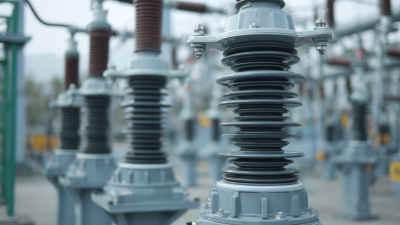
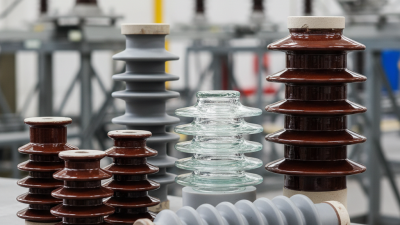
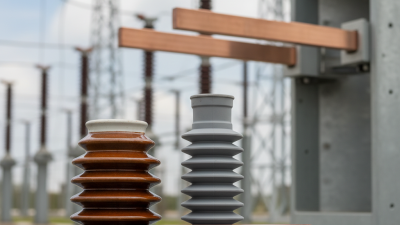
Ceramic insulators are common and offer high dielectric strength. They withstand harsh weather conditions, making them ideal for outdoor usage.
Glass insulators also provide durability but are more prone to breakage upon impact. Meanwhile, polymer insulators are lightweight and resistant to UV radiation. They are gaining popularity for their flexibility in installation.
Each type has its pros and cons. Ceramic insulators, while robust, can be heavy and difficult to install. Glass insulators may be clearer, but their fragility poses challenges. Polymer insulators might not perform as well in extreme temperatures. It's essential to weigh these factors based on your project's demands. Always consider local environmental conditions and load requirements.
Best Practices for Installation and Maintenance of Insulators
When installing electrical insulators, attention to detail is crucial. Ensure that the surface is clean and free from dust. This simple step prevents future insulation failures. Proper tightening of fittings can help maintain connection integrity. Over-torquing can lead to insulation damage, so a careful approach is necessary.
Regular maintenance extends the lifespan of insulators. Inspect for signs of wear, such as cracks or discoloration. If any issues arise, address them promptly. Small problems can escalate if neglected. Use appropriate tools for maintenance tasks to avoid causing additional damage. Document inspections to track potential trends over time.
Educating yourself and your team about the characteristics of different insulators is important. Each type serves a specific application and environment. Choosing the wrong type can lead to serious safety risks. Regular training sessions can help ensure everyone is on the same page. There’s always room for improvement in these practices. Regularly review and adjust your methods based on new findings and experiences.