How to Choose the Right Switchgear Insulators for Your Needs?
Selecting the right switchgear insulators is crucial for ensuring the reliability of electrical systems. High-quality insulators not only protect against electrical faults but also enhance the longevity of equipment. When considering switchgear insulators, it is important to assess specific needs based on the application environment. Temperature, humidity, and pollution levels greatly influence insulator performance.
Expert knowledge in the field indicates that inadequate selection often leads to failures. Many professionals overlook critical factors, which can result in costly downtimes and repairs. A deep understanding of material properties is essential. Different insulators vary in dielectric strength and mechanical stability. Consulting with industry experts can help avoid common pitfalls.
Additionally, the market offers a wide variety of switchgear insulators, making choices daunting. Reflection on the specific operational demands is vital. Balancing cost-effectiveness with quality ensures a practical solution. An informed decision requires thorough research and possibly collaboration with manufacturers. The right insulator not only meets regulatory standards but also adapts to changing conditions.
Understanding the Purpose of Switchgear Insulators in Electrical Systems
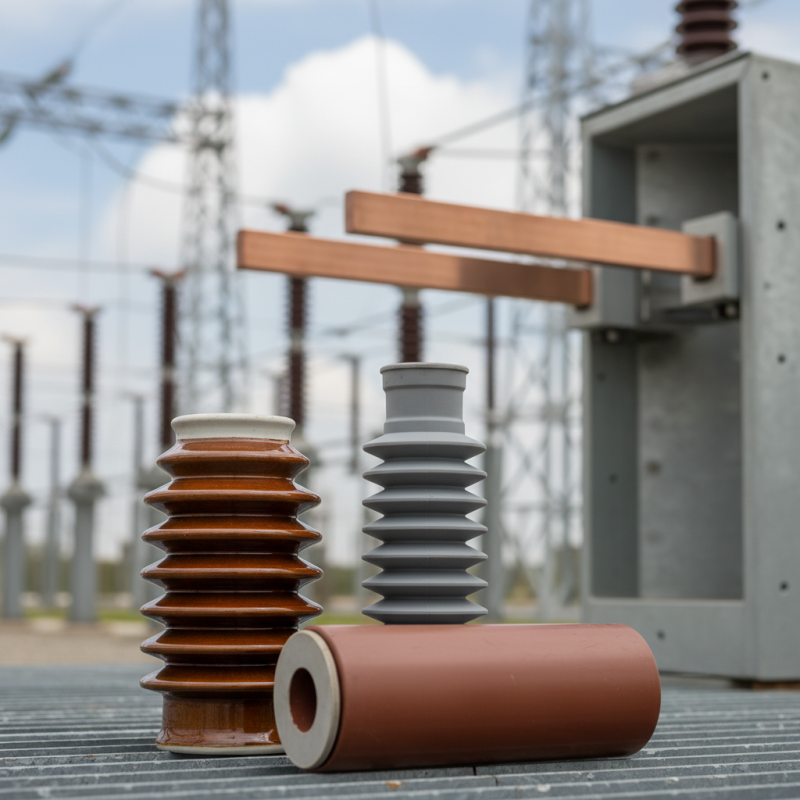
Switchgear insulators play a crucial role in electrical systems. They ensure that electricity flows safely and efficiently. Without proper insulators, systems risk short circuits or failures. Understanding their purpose helps in selecting the right type for your needs.
When choosing insulators, consider their material. Different materials, like porcelain or polymer, offer distinct advantages. Porcelain is durable and resistant to harsh weather. However, polymer insulators are lighter and often easier to install. Think about the environment where the insulator will function. Harsh conditions can impact the insulator's performance.
**Tip:** Always check the voltage rating. An insulator must match the voltage requirements of your system.
It's also essential to consider the physical size and installation requirements. Some insulators require specific mounting techniques. Weigh these factors against your project’s needs. Reflect on the logistics of your installation. You might discover challenges you hadn't considered.
**Tip:** Consult an expert if you have doubts. Their insights can guide your choice and prevent costly mistakes.
How to Choose the Right Switchgear Insulators for Your Needs?
| Insulator Type |
Material |
Voltage Rating |
Applications |
Key Features |
| Porcelain Insulators |
Porcelain |
Up to 36kV |
Distribution Lines, Substations |
High mechanical strength, Temperature resistant |
| Glass Insulators |
Glass |
Up to 765kV |
High Voltage Transmission |
High visibility, Corrosion resistant |
| Polymer Insulators |
Silicon Rubber |
Up to 40kV |
Urban Distribution, Indoor Applications |
Lightweight, Easy to install |
| Composite Insulators |
Epoxy Resin |
Up to 800kV |
Heavy Industrial, Long-term Transmission |
Durable, High pollution resistance |
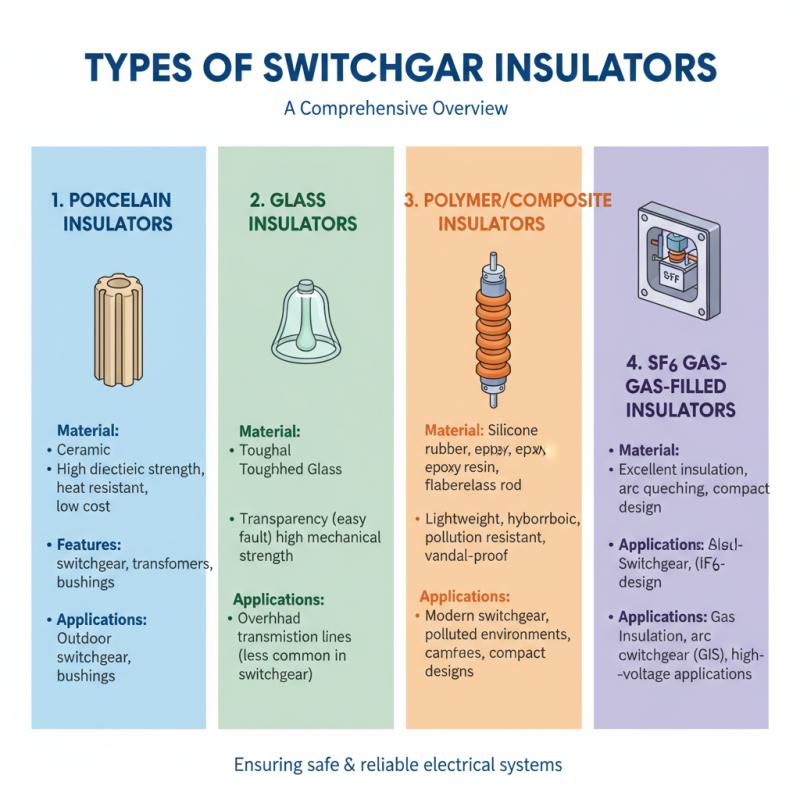
Types of Switchgear Insulators: A Comprehensive Overview
Switchgear insulators play a vital role in electrical systems. They ensure the safe operation of equipment by preventing electrical faults. Different types of insulators are available, each designed for specific applications. Understanding these types is crucial for appropriate selection.
Porcelain insulators are widely used for their durability. They withstand harsh weather and maintain performance over time. However, they can be heavy and fragile, which may limit their use in certain situations. Composite insulators, made from polymer materials, offer lightweight alternatives. They provide excellent resistance to pollution and moisture. Their flexibility makes them suitable for various environments and installations.
Glass insulators, known for their transparency, allow for easy inspection. They resist corrosion but can be susceptible to breakage in severe conditions. Selecting the right type often involves considering environmental factors, voltage levels, and mechanical stresses. It's essential to evaluate these aspects to improve system reliability. Balancing benefits and limitations can lead to better decisions. Misjudgments in this process can result in costly repairs or downtime.
Key Factors to Consider When Selecting Switchgear Insulators
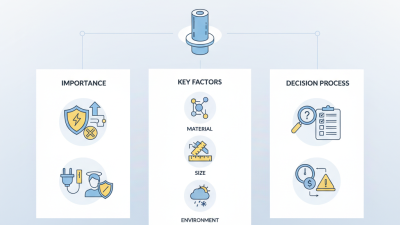
Selecting switchgear insulators is critical for maintaining electrical system reliability. Key factors to consider include the insulation material, voltage rating, and environmental conditions. For instance, polymer insulators are increasingly popular due to their lightweight nature and resistance to environmental degradation. According to a recent report by the International Electrotechnical Commission, polymer insulators offer up to 30% improved performance under harsh conditions compared to traditional ceramic options.
Another vital aspect is the voltage rating. Insulators must withstand the operational voltage and possible surges. The National Electrical Manufacturers Association suggests that undersizing can lead to catastrophic failures in systems. Additionally, environmental factors play a significant role. Areas with high pollution or coastal regions require specialized coatings to prevent contamination. A study by the Electric Power Research Institute found that poorly selected insulators can decrease service life by up to 40%.
Consider maintenance needs as well. Certain materials may require more frequent inspections and replacements. This can affect lifecycle costs significantly. A thorough understanding of these factors is essential for making the right choice. Ignoring any of these points may lead to increased downtime and maintenance costs. It is crucial to assess all these elements carefully for optimal performance.
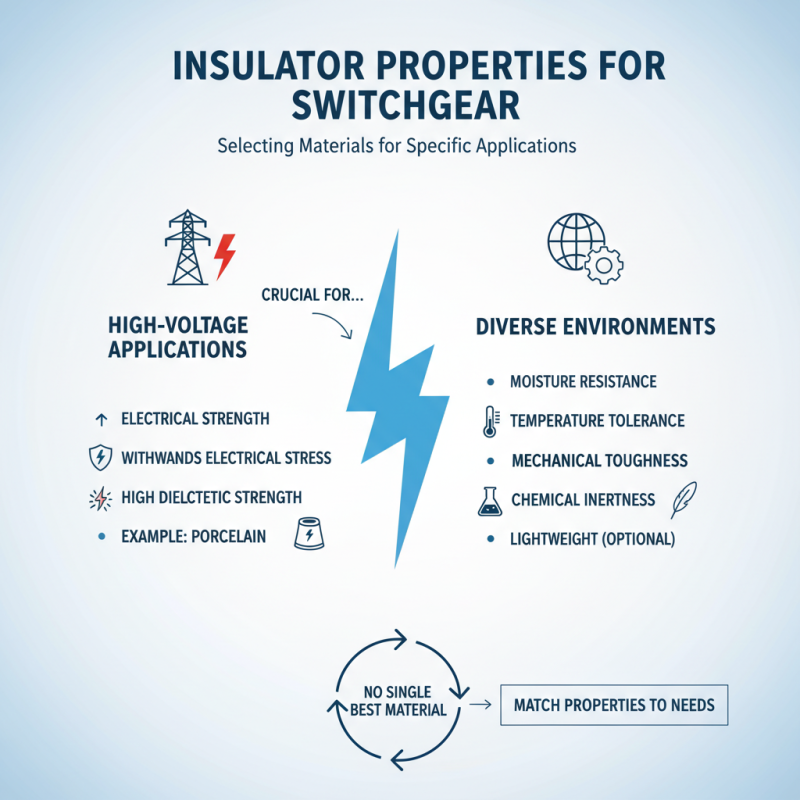
Evaluating the Material Properties of Insulators for Specific Applications
Selecting the right switchgear insulators involves understanding the specific properties of materials used. Different applications require different attributes. For instance, electrical strength is crucial in high-voltage applications. Insulators must withstand electrical stress without breaking down. Materials with high dielectric strength, like porcelain, often excel in this area but are not always the most suitable for every environment.
Thermal resistance is another vital factor. Some materials can handle extreme temperatures better than others. For example, polymer insulators may perform well in varying climates, yet they may degrade faster under UV exposure. This trade-off requires careful consideration, especially in outdoor installations. Additionally, the mechanical properties of materials must align with the intended application. A brittle insulator may fail under physical stress, while flexible options might not offer the necessary electrical reliability.
Reflecting on these aspects, it becomes clear that choosing an insulator is not a straightforward process. Balancing durability, cost, and performance is challenging. It's essential to evaluate how different materials align with operational demands. Insulators must withstand specific environmental conditions and mechanical stresses. Hence, a detailed analysis of each material's properties is crucial for making an informed decision.
Best Practices for Installing and Maintaining Switchgear Insulators
When installing switchgear insulators, proper practices are crucial. Research from the IEEE indicates that improper installation can lead to equipment failures in 20% of cases. Each insulator must be carefully selected based on environmental conditions and electrical load. The right choice minimizes risks associated with electrical arcs and insulation degradation.
Regular maintenance is equally important. The condition of insulators directly affects the reliability of switchgear systems. According to a report by the International Electrotechnical Commission, maintaining these components can extend their lifespan by 15-20%. Inspections should include checking for physical damage and contamination, as even minor issues can escalate. For instance, dirt buildup can compromise insulation integrity, leading to unexpected outages.
Understanding the specific needs of your operation may seem straightforward but is often overlooked. Inadequate training can result in choices that do not align with operational requirements. Improperly installed insulators may result in costly downtimes. Continuous education on best practices is crucial for technicians. Encouraging feedback from the installation and maintenance process can highlight areas for improvement.
Switchgear Insulator Performance Comparison
This chart compares the performance of different types of switchgear insulators based on key metrics such as voltage rating, dielectric strength, and mechanical strength. Understanding these metrics can help in selecting the right insulators for your needs.