What is a Ground Bar Standoff Insulator and How to Choose One?
A Ground Bar Standoff Insulator is crucial in electrical systems, providing support and insulation for grounding bars. In recent years, industry reports indicate that improper insulation can lead to electrical failures, costing companies thousands in repairs and downtime. The right insulator not only ensures safety but also enhances system reliability.
Choosing the right Ground Bar Standoff Insulator requires assessing your specific needs. Factors such as voltage ratings, environmental conditions, and material properties play a significant role. Engineers often overlook these factors, which can result in suboptimal performance. A recent study highlighted that nearly 30% of electrical system failures stem from inadequate insulation choices.
Furthermore, the selection process needs careful reflection. Not all insulators are created equal. Often, personal biases and convenience influence decisions rather than concrete data. To minimize risks, it’s essential to rely on professional guidelines and historical performance metrics. Understanding these components leads to smarter choices in insulation technology.
Understanding Ground Bar Standoff Insulators: Definition and Function
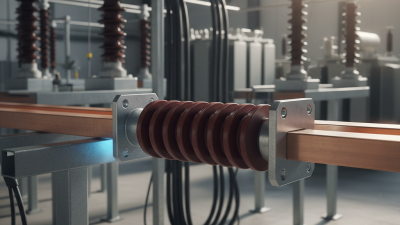
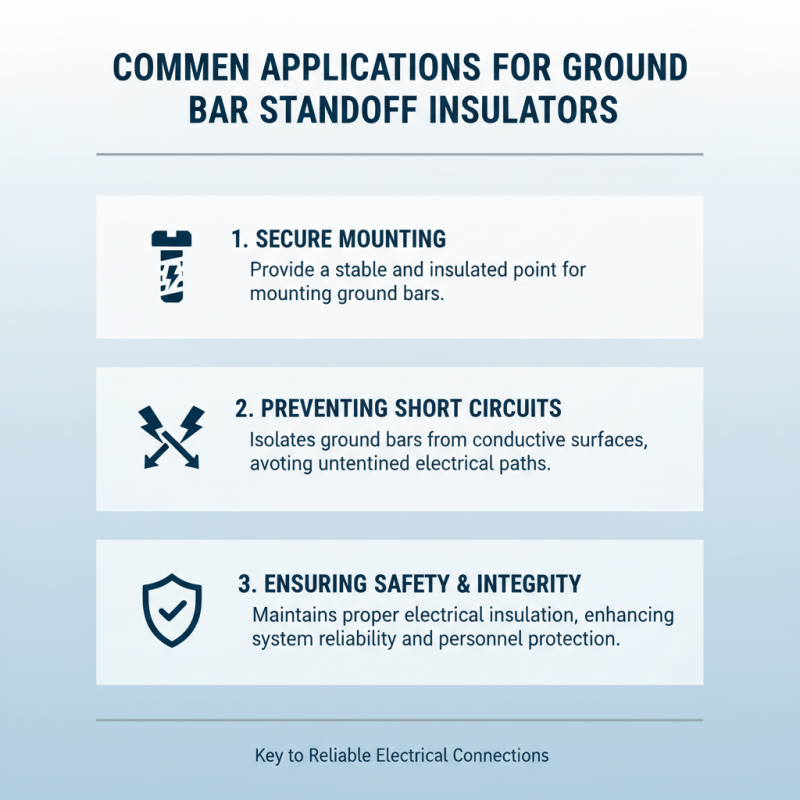
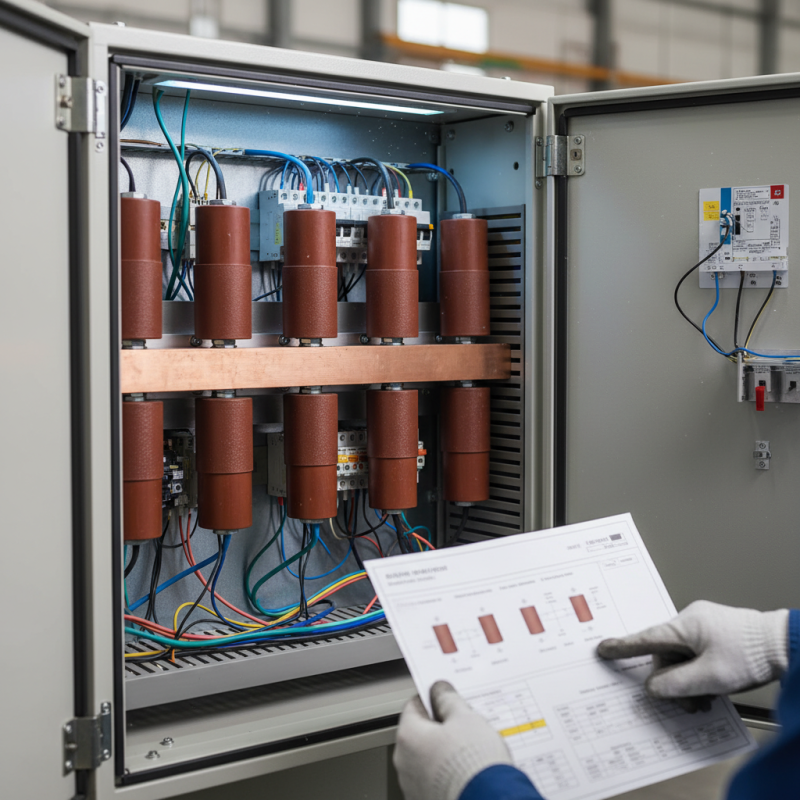
Ground bar standoff insulators are crucial components in electrical systems. They enable secure mounting and insulation for grounding bars. These insulators prevent short circuits and protect against electrical arcing. Proper selection is vital for safety and functionality.
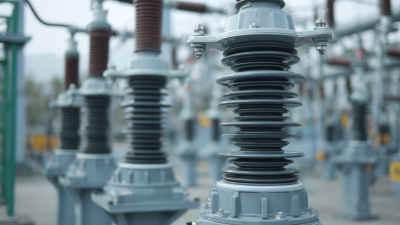
The material and design of standoff insulators affect their performance. Common materials include polymer and ceramic. A study by the Electrical Insulation Research Foundation found that polymer insulators show better resistance under high humidity conditions. However, they may degrade faster than ceramic in extreme temperatures. Users must evaluate environmental conditions when choosing.
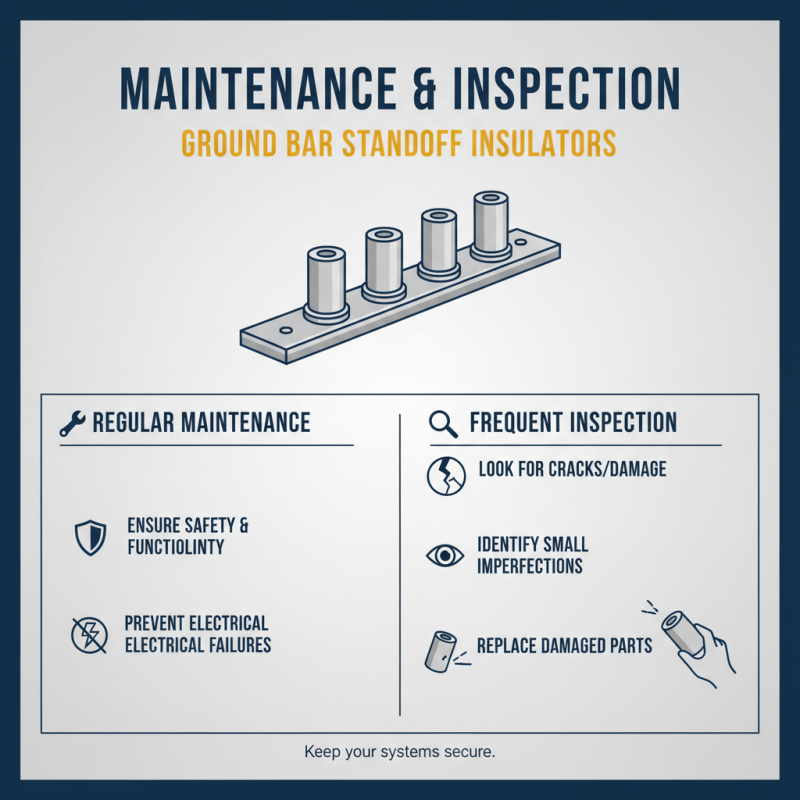
Installation height and spacing also impact effectiveness. Incorrect positioning can lead to failures. Research indicates that maintaining proper distances reduces the risk of electrical discharges. Some insulators may not withstand harsh weather, leading to frequent replacements. Regular inspections can help identify deterioration. This preventive measure ensures long-term reliability.
Ground Bar Standoff Insulators: Performance Comparison
Key Components of Ground Bar Standoff Insulators: An Overview
Ground bar standoff insulators are crucial for maintaining safety and functionality in electrical systems. They ensure that grounding bars are properly insulated from surfaces to prevent unintended electrical contact. Understanding their key components can help you make informed choices.
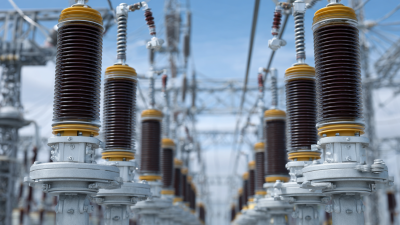
The primary component is the insulator itself, typically made from materials such as porcelain or high-quality plastic. These materials are excellent at resisting electrical leakage and environmental damage. Additionally, the mounting structure is important. It provides stability and aligns with existing grounding systems. The design should accommodate various installation scenarios, whether in commercial or industrial settings.
Another factor is the electrical rating, which indicates the maximum voltage the insulator can handle. This rating helps match the insulator to the specific requirements of your electrical system. You might find it challenging to choose one that fits perfectly with all your technical needs. A careful review of your system’s specifications will lead to a better match, but it demands time and expertise. A thoughtful approach is necessary for selecting an appropriate ground bar standoff insulator, as improper choices can lead to operational failures or safety hazards.
Factors to Consider When Choosing a Ground Bar Standoff Insulator
When selecting a ground bar standoff insulator, several factors must be evaluated. These insulators play a critical role in grounding systems, ensuring that electrical equipment remains safe and functional. Consider the voltage ratings of the application. Many insulators are tested to withstand various voltage levels. For example, a report by the IEEE indicates that insulators with a rating above 15kV are suitable for most commercial applications.
Material selection is key. Insulators made from high-dielectric materials like porcelain or specialized polymers often have enhanced performance in extreme conditions. An industry study highlights that polymer insulators can reduce weight and improve longevity compared to traditional materials. Pay attention to environmental conditions, too. If the installation area faces harsh weather, choose insulators that resist moisture and UV exposure.
Tips for choosing the right insulator: Always check load-bearing capacity. A mismatch can lead to failure. Also, consult technical specifications to ensure compatibility with existing systems. Reflect on design irregularities that could impact installation. Do not overlook proper installation procedures; improper installation can compromise performance. Ensure that your chosen insulator aligns with industry standards to maximize reliability and safety.
What is a Ground Bar Standoff Insulator and How to Choose One?
| Feature |
Description |
| Material |
Typically made from high-dielectric materials like ceramic or polymer. |
| Voltage Rating |
Varies depending on application; common ratings are between 15kV and 35kV. |
| Mounting Type |
Designed for either wall or pole mounting based on installation needs. |
| Environmental Considerations |
Choose insulators that can withstand local weather conditions such as UV exposure and moisture. |
| Load Capacity |
Insulators should support the weight and strain of connected ground bars. |
| Compliance |
Ensure the insulator meets electrical codes and standards relevant to your region. |