Top 10 Benefits of Using Composite Insulators for Power Grids?
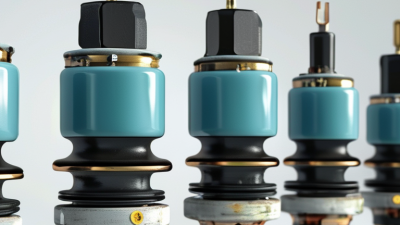
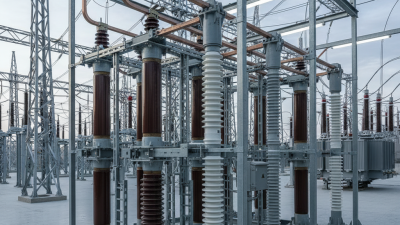
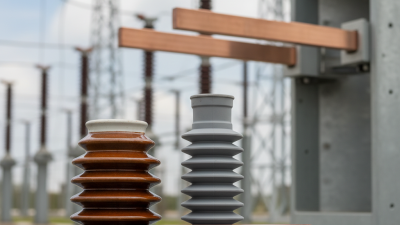
In the evolving landscape of power grid technology, the use of Composite Insulator is gaining prominence. These insulators combine different materials to produce excellent electrical and mechanical performance. Their unique design offers durability and resilience in harsh environments. Many grid operators are increasingly adopting these insulators for their superior advantages.
Composite Insulators are lightweight, making installation easier and safer. They withstand extreme weather conditions, which is crucial for reducing maintenance costs. Their hydrophobic properties help prevent water ingress, minimizing the risk of flashovers. As electricity demand increases, outdated insulators may fail. This could lead to power outages and unexpected issues in the grid.
While Composite Insulators present significant benefits, engineers must still weigh potential drawbacks. In some cases, their initial costs can be higher than traditional materials. Also, the long-term performance needs consistent monitoring. As we delve into the top benefits of Composite Insulators, both their strengths and challenges will be considered. This balanced view is essential for making informed decisions in modern power grid management.
Understanding Composite Insulators and Their Role in Power Grids
Composite insulators play a crucial role in enhancing the reliability of power grids. Made from advanced materials, these insulators resist environmental challenges. They provide superior resistance to pollution, moisture, and temperature fluctuations. This adaptability makes them ideal for diverse geographical regions.
Tips: Regular maintenance checks can prolong the lifespan of composite insulators. Inspect for wear and environmental damage periodically.
These insulators are lightweight, making installation easier and reducing transportation costs. Their durable nature ensures longevity, which cuts down on replacement expenses. However, it is important to be mindful of installation techniques. Improper installation may lead to operational failures.
Tips: Employ trained professionals for installation. Ensure correct alignment and secure fittings to avoid mishaps.
Composite insulators also exhibit better electrical characteristics. They prevent flashovers and improve overall system performance. Still, industry professionals must remain vigilant. Understanding the specific conditions of your power grid is essential to achieve maximum benefits from these insulators.
Enhanced Electrical Performance of Composite Insulators Explained
Composite insulators are increasingly vital in power grid operations. They offer substantial advantages in electrical performance. Composite materials often feature a fiberglass core, which enhances strength while being lightweight. According to the International Energy Agency, improved materials can reduce power loss by up to 30%. This efficiency translates into stronger electrical transmission.
The hydrophobic nature of composite insulators helps mitigate contamination. This allows for better performance in adverse weather. A study in the Journal of Electrical Engineering found that these insulators show 50% less leakage current in polluted environments. Their resistance to tracking and erosion also extends service life, contributing to long-term reliability.
However, some challenges remain. While composite insulators are robust, they can be sensitive to high-temperature conditions. If not carefully monitored, they may face issues that impact their lifespan. Additionally, the initial costs may be higher than traditional insulators. Industry reports suggest evaluating total lifecycle costs for a complete picture. This awareness will aid decision-makers in optimizing grid performance and reliability.
Durability and Weather Resistance: Key Advantages of Composite Insulators
Composite insulators are becoming increasingly popular in power grids, primarily due to their durability and weather resistance. Unlike traditional insulators, composite ones are designed to withstand extreme weather conditions. They resist ultraviolet radiation, heavy rain, and high winds, making them ideal for diverse climates. This resilience significantly reduces the risk of power outages caused by environmental factors.
Their lightweight nature also contributes to ease of installation and maintenance. Workers can handle these insulators without needing heavy machinery, which can be a real advantage in remote areas. However, it's essential to monitor wear and tear over time. While composite materials are durable, they may still degrade under certain conditions, necessitating periodic inspections.
These insulators can also resist pollution better than ceramic or glass options. This gives power companies more confidence in their longevity. However, the effectiveness of cleaning and maintenance routines should not be overlooked. Regular upkeep is essential to ensure the insulators perform effectively throughout their lifecycle. Although the advantages are significant, a reflective approach to material selection and maintenance practices is necessary.
Top 10 Benefits of Using Composite Insulators for Power Grids
This chart highlights the top 10 benefits of using composite insulators for power grids, showcasing their advantages such as durability and weather resistance. Each benefit is scored out of 100 based on its significance and contribution to the efficiency and longevity of power grid systems.
Cost Efficiency and Maintenance Benefits of Using Composite Insulators
Composite insulators are increasingly favored in power grid applications due to their cost efficiency and maintenance benefits. According to industry reports, these insulators can reduce lifecycle costs by up to 30% compared to traditional porcelain types. Their lightweight design simplifies installation and minimizes structural support requirements. This adaptability is essential when dealing with varied terrain and challenging environments.
Additionally, composite insulators exhibit superior resistance to environmental factors. They are less prone to contamination and meet performance standards even in harsh conditions. Industry studies suggest an average maintenance reduction of 20% for operations using composite insulators, leading to significant savings. However, it is important to acknowledge that improper installation can negate some of these advantages. Regular inspections remain crucial, as they help identify potential weaknesses early, ensuring the system's integrity.
The benefits of composite insulators extend to improved reliability in power transmission. With a reduced risk of failure, utilities can focus resources on proactive maintenance strategies rather than costly emergency repairs. There are challenges, though. The initial material costs can be higher than traditional options. Yet, the long-term savings and reduced downtime often outweigh the upfront investment.
Environmental Impact and Sustainability of Composite Insulator Materials
Composite insulators are revolutionizing power grids with their unique environmental benefits. These insulators are made from advanced materials that exhibit excellent durability and resistance to harsh weather conditions. Unlike traditional insulators, they do not require significant resources for maintenance. This aspect makes them a sustainable choice for modern energy demands.
The production of composite materials tends to have a lower carbon footprint. Many manufacturers have adopted eco-friendly practices, using recycled materials and minimizing waste during production. Composite insulators also contribute to reduced chemical leaching into the environment. They last longer than conventional options, decreasing the frequency of replacements and the associated environmental impact.
However, it is essential to consider the end-of-life stage of composite insulators. Unlike glass or porcelain, composite materials can be challenging to recycle. Awareness of these complexities can lead to better design choices in the future. Understanding the balance between performance and sustainability is crucial. The pursuit of eco-friendliness in energy infrastructure continues to evolve, and composite insulators can play a significant role in this journey.
Top 10 Benefits of Using Composite Insulators for Power Grids
| Benefit |
Description |
Environmental Impact |
Sustainability |
| Lightweight |
Easier handling and installation due to reduced weight. |
Reduces carbon footprint during transport. |
Lower energy expenditure for installation. |
| High Electrical Insulation |
Outstanding dielectric properties for improved insulation. |
Decreases the risk of electrical failures, minimizing waste. |
Longer lifespan reduces resource consumption. |
| Corrosion Resistance |
Resistant to environmental factors and chemicals. |
Lowers the need for replacements and maintenance. |
Promotes longevity of materials used in power grids. |
| Thermal Stability |
Maintains performance in extreme temperatures. |
Reduces heat-related failures, leading to less waste. |
Minimizes material turnover and resource use. |
| Reduced Pollution |
Lower leakage currents lead to cleaner operation. |
Fewer emissions and environmental hazards. |
Contributes to overall ecological health. |
| Mechanical Strength |
Superior mechanical properties enhance reliability. |
Reduces failure rates and associated environmental impact. |
Durable materials lead to less frequent replacements. |
| Versatility |
Can be used in various applications, including high-voltage lines. |
Optimizes resource use in different environments. |
Supports integration with renewable energy sources. |
| Cost-Effectiveness |
Long-term savings due to lower maintenance needs. |
Less waste produced by frequent replacements. |
Economically sustainable in the long run. |
| Aesthetic Appeal |
Modern designs blend better with landscapes. |
Enhances community acceptance and support. |
Promotes coexistence with nature. |
| Improved Safety |
Lower risk of electrical accidents enhances public safety. |
Contributes to safer environmental conditions. |
Fostering community welfare through safer infrastructure. |