How to Choose the Best Switchgear Insulators for Your Needs?
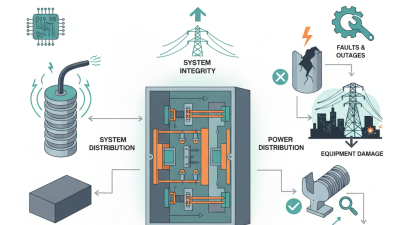
Selecting the right Switchgear Insulators is crucial for electrical systems. These components protect circuits and enhance reliability. According to a 2022 industry report by the International Electrotechnical Commission (IEC), insulator failures account for over 30% of electrical outages. This underscores their importance in maintaining power supply stability.
Switchgear Insulators come in various materials and specifications. Their choice directly affects performance and durability. The market has seen innovations, with polymer insulators becoming increasingly popular due to their lightweight nature and resistance to environmental factors. However, some traditional ceramic insulators are still preferred in specific applications. Assessing factors like voltage levels and environmental conditions is essential.
Despite advancements, challenges remain. Some users find it difficult to assess long-term reliability. Regular maintenance and testing are often overlooked, leading to unanticipated issues. Understanding material properties and application contexts can help make informed decisions. Ultimately, choosing Switchgear Insulators requires a balance of innovation and proven reliability.
Factors to Consider When Selecting Switchgear Insulators
When selecting switchgear insulators, consider several key factors. Material choice is crucial. Common options include porcelain, glass, and polymer. Each material has distinct advantages and limitations. Porcelain offers excellent mechanical strength but can be fragile. Polymers are lighter and resist pollution better, but long-term durability can be a concern. Understand your environment to make the best choice.
Voltage ratings also matter significantly. Insulators must handle the specific voltage levels in your application. An undersized insulator could fail, leading to outages or safety hazards. Check the insulation’s dielectric strength to ensure reliability.
Another factor is the installation environment. Outdoor versus indoor use changes the requirements. For instance, outdoor insulators need to withstand UV radiation and moisture. This enhances their longevity and performance. Additionally, consider maintenance needs. Regular inspections can prevent failures but add to operational costs. Balancing these factors is essential for effective and sustainable switchgear over time.
Types of Switchgear Insulators and Their Applications
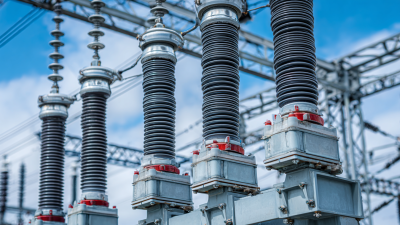
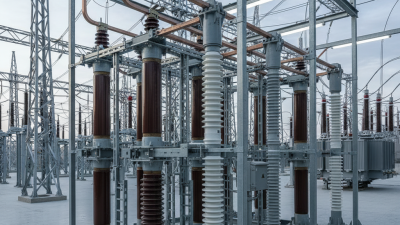
Switchgear insulators play a vital role in electrical systems. They prevent electrical leakage and ensure safety. Various types of insulators serve different functions. Understanding the types can guide your choice.
Porcelain insulators are traditional and widely used. They can withstand extreme weather conditions and offer excellent durability. However, they can be heavy and fragile. Composite insulators are lighter and have a strong resistance to pollution. They are less likely to break but might have a lower service life under harsh conditions.
Tips for selecting the right insulator: consider environmental factors like temperature and pollution. Inspect the mechanical strength requirements for your particular application. Evaluate the insulation resistance and choose accordingly.
Glass insulators are another option. They are visually sleek and can handle high electrical loads. Yet, they can be susceptible to damage from impacts. Assess your site's unique conditions to avoid potential pitfalls. Balancing these factors ensures the best selection for your needs.
How to Choose the Best Switchgear Insulators for Your Needs? - Types of Switchgear Insulators and Their Applications
| Type of Insulator |
Material |
Typical Applications |
Voltage Rating (kV) |
Advantages |
| Porcelain Insulators |
Ceramic |
Substation and overhead lines |
Up to 800 kV |
High strength, weather resistance |
| Composite Insulators |
Polymer |
Urban areas and coastal regions |
Up to 400 kV |
Lightweight, hydrophobic properties |
| Glass Insulators |
Glass |
High-voltage transmission lines |
Up to 600 kV |
Excellent insulation performance, long life |
| Post Insulators |
Porcelain or composite |
Switchgear and transformers |
Up to 400 kV |
Robust construction, versatile application |
| Suspension Insulators |
Porcelain or glass |
Overhead power lines |
Up to 1000 kV |
Ability to absorb shocks, high mechanical strength |
Material Composition and Electrical Properties of Insulators
Choosing the right switchgear insulators involves understanding their material composition and electrical properties. Insulators are essential for preventing unwanted current flow and ensuring safety. Various materials are used, each with unique benefits and limitations.
Ceramic insulators are known for their durability and resistance to environmental conditions. However, they can be heavy and prone to cracking under stress. Composite insulators, made from polymers, are lighter and offer excellent electrical performance. Yet, they may have limitations regarding UV resistance. It's crucial to consider these factors based on specific application requirements.
In addition to material choice, electrical properties play a significant role. Dielectric strength measures how well an insulator can prevent electrical flow. The higher the dielectric strength, the better the insulator performs in high-voltage environments. Proper evaluation of these characteristics ensures optimal performance and longevity. Users must balance between performance expectations and material limitations, acknowledging possible trade-offs in design choices.
Environmental Conditions Impacting Insulator Performance
Environmental conditions significantly influence the performance of switchgear insulators. Factors like temperature, humidity, and pollution levels can affect their reliability. For example, high humidity may lead to increased surface leakage currents. Dust and pollutants can accumulate, degrading the insulator's effectiveness. Therefore, careful consideration of the installation environment is crucial when selecting insulators.
In regions with extreme temperatures, materials should withstand thermal expansion. Insulators must cope with freezing temperatures that can lead to ice accumulation. In contrast, in hotter climates, materials should resist UV degradation. It’s essential to choose insulators designed for specific environmental challenges. Yet, manufacturers may not always provide clear guidelines on performance under different conditions.
Another aspect to think about is the long-term aging of materials. Insulators can become brittle over time, especially in harsh environments. Monitoring their condition regularly is vital. It’s not enough to install robust insulators; ensuring their longevity through regular maintenance is equally important. These factors highlight the need for informed choices in selecting switchgear insulators.
Maintenance and Lifespan Considerations for Switchgear Insulators
Switchgear insulators play a crucial role in ensuring the reliability of electrical systems. Therefore, understanding their maintenance and lifespan is essential. Regular inspections are vital to detect wear and deterioration. Signs of damage could indicate that they need replacement. Ignoring these signs can lead to failures and safety hazards.
The lifespan of insulators varies based on material and environmental factors. For instance, porcelain insulators may last longer in stable conditions, whereas composite materials might degrade faster in harsh environments. It’s important to consider these aspects when selecting insulators. Maintenance routines should include cleaning and monitoring for any cracks or contamination. Small issues can escalate if not addressed promptly.
One common mistake is assuming all insulators are the same. Each type has its unique needs and weaknesses. This misunderstanding can lead to premature failures. Reflecting on specific applications and conditions can guide better choices. Consulting with experienced professionals can also help clarify these decisions.