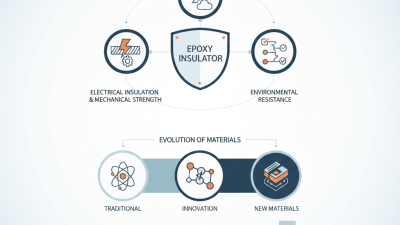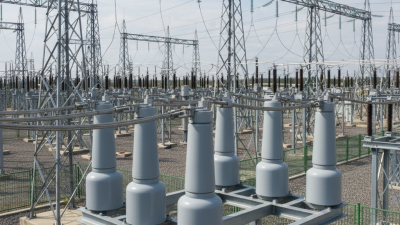
China Top 10 Epoxy Insulator Manufacturers examines a critical component behind safer, more stable power equipment. Epoxy Insulator products support switchgear, transformers, busbars, and compact substations. Their performance depends on resin formulation, curing control, mechanical strength, and resistance to moisture and partial discharge.
Recent industry reports show strong demand. MarketsandMarkets estimates the global electrical insulator market could grow from about USD 14 billion in 2023 to more than USD 20 billion by 2028. Grand View Research also reports steady expansion in the global epoxy resin market, driven by electrical, electronics, and renewable-energy applications. These figures are useful, but market boundaries differ. Comparisons should remain careful.
IEEE Fellow Dr. Mladen Kezunovic has often stressed the importance of condition-based reliability, noting, “Reliability begins with knowing the condition of the equipment.” This principle applies directly to Epoxy Insulator selection. A polished surface is not enough. Engineers should review dielectric testing, dimensional tolerances, thermal cycling, tracking resistance, and factory quality records.
The manufacturers featured here are assessed through technical capability, production experience, certification, export performance, and application feedback. Relevant references include IEC 60137, IEC 62271, and applicable customer specifications. A few rankings may remain debatable. No supplier is perfect. Still, this comparison aims to give procurement teams a clearer starting point, especially when a small crack, void, or poorly controlled curing cycle can create a costly field failure.
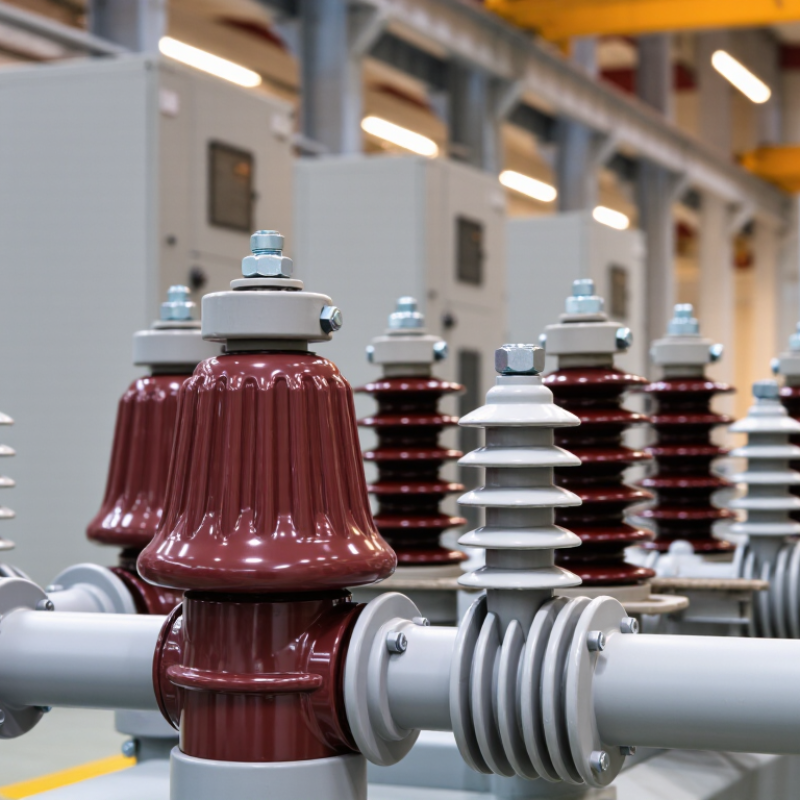
Epoxy insulators are electrical insulation components made from cured epoxy resin and reinforcing materials. They separate energized conductors from grounded structures. Their solid body also supports mechanical loads inside switchgear, transformers, and busbar systems. Unlike porcelain, epoxy parts can be molded into precise shapes with fewer assembly joints. A typical unit has a smooth surface, embedded metal inserts, and carefully controlled resin thickness.
China uses epoxy insulators widely because its power network spans humid coasts, dusty industrial zones, and cold northern regions. Their compact design helps equipment fit inside crowded substations and urban distribution cabinets. Epoxy resists moisture, vibration, and many common chemicals when the formulation is suitable. It also supports automated manufacturing, which helps producers maintain consistent dimensions across large orders. Short production cycles matter.
Reliable manufacturers normally control resin mixing, vacuum casting, curing temperature, and surface finish. Engineers may inspect voids, measure insulation resistance, and perform dielectric and mechanical tests under applicable Chinese or international standards. In practice, field performance depends on more than resin quality. Poor sealing, overheating, contamination, or incorrect installation can still cause failure. They are not flawless. Some epoxy materials age under ultraviolet exposure and repeated thermal stress, so outdoor designs may require shielding and regular inspection. Selecting the right grade requires reviewing voltage, temperature, pollution level, creepage distance, and installation conditions rather than choosing by appearance alone.
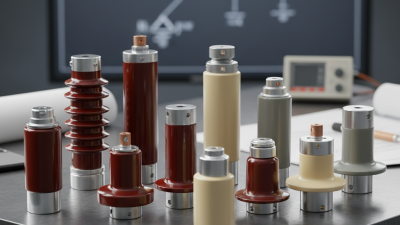
Choosing among China’s top epoxy insulator manufacturers requires more than comparing website rankings or quoted prices. A serious evaluation begins with production evidence. Check whether the factory controls resin mixing, casting temperature, curing time, and surface finishing in-house. These details affect insulation strength and long-term stability.
Request recent test reports for dielectric strength, partial discharge, thermal cycling, and mechanical loading. Confirm the testing standards and laboratory qualifications. A reliable manufacturer should provide traceable batch numbers, inspection records, and clear acceptance criteria. During a factory visit, inspect vacuum casting equipment and storage conditions for epoxy materials. Moisture, dust, and poor temperature control can create hidden defects.
Ask for samples made with the same process as mass production. Measure dimensions, surface smoothness, and connection accuracy. Then compare results after heat, humidity, and voltage stress. Independent laboratory testing adds useful confidence, especially for critical applications. However, one successful sample proves little. No supplier is flawless. I still question any company showing only perfect charts without failure data. Delivery history, corrective-action records, and technical response speed also matter. A capable engineering team should explain why a defect occurred, not simply replace the part. Factory experience is valuable, but documented process discipline is stronger evidence.
This profile examines ten leading Chinese epoxy insulator manufacturers through practical industry criteria. The selection considers production experience, material control, testing capacity, and export support. Each manufacturer represents a different strength. One focuses on cast-resin bushings for transformers. Another develops compact supports for switchgear panels. A third specializes in high-voltage components for substations. Others serve rail systems, mining equipment, renewable energy cabinets, and industrial motors.
Their workshops often include vacuum casting machines, temperature-controlled curing rooms, and dimensional inspection stations. These details matter. Small voids can weaken insulation under electrical stress. Reliable manufacturers usually test dielectric strength, partial discharge, thermal aging, and mechanical tolerance. Some maintain internal laboratories, while others use accredited independent facilities for validation. Buyers should review test conditions carefully. A passing result means little without voltage, temperature, sample size, and test duration.
The remaining profiles highlight flexible tooling, rapid prototyping, custom colors, or stable large-volume production. Several manufacturers provide drawings and engineering support before quotation. That can reduce fitting errors during installation. However, catalog information is not always complete. Public rankings can also change with capacity, certification, and delivery performance. Factory visits, sample approval, and traceable inspection records remain valuable. Experience suggests that the lowest price can hide costly mold adjustments or inconsistent resin quality. A better comparison checks total service performance, not only the unit cost.
China’s leading epoxy insulator manufacturers differ in product depth, quality control, and production capacity. Their portfolios may include support insulators, bushing components, post insulators, and custom parts for switchgear. According to the IEA Electricity 2024 report, global electricity demand is expected to grow by about 3.4% annually from 2024 to 2026. This growth increases demand for reliable insulation in substations and industrial equipment.
Quality comparisons should begin with evidence, not catalogs. Strong manufacturers test dielectric strength, partial discharge, dimensional tolerance, thermal aging, and mechanical loading. IEC 62271-1 provides a useful reference for high-voltage switchgear performance. CIGRE technical guidance also stresses production consistency and field reliability. A clean epoxy surface matters. So does the absence of voids around embedded conductors. Small defects can become serious after years of heat and electrical stress.
Capacity is more than a large factory sign. Buyers should examine monthly output, mold availability, curing control, laboratory equipment, and delivery records. Some suppliers report impressive annual capacity, but these figures may combine several product categories. That deserves verification. A factory with fewer machines may still perform better through stable processes and faster inspection. MarketsandMarkets identifies rising investment in electrical insulation materials as grid modernization expands, yet market reports often rely on supplier disclosures. Direct audits remain necessary. Price still attracts attention. It should not replace traceability, test records, and realistic lead-time data.
The chart presents an anonymized comparative benchmark based on publicly disclosed product coverage, quality-system evidence and manufacturing capability. Scores are normalized from 0 to 100 and are intended for editorial comparison rather than a certified ranking.
Product coverage reflects the breadth of epoxy insulator applications and voltage classes. Quality reflects documented compliance with relevant IEC requirements, testing capability and quality-management practices. Capacity reflects production scale, equipment capability and delivery readiness.
Choosing a Chinese epoxy insulator supplier requires more than comparing catalog prices. Start with the application: voltage class, creepage distance, mechanical load, outdoor exposure, and operating temperature. An experienced supplier should ask for these details before recommending a design. If the first response is only a quotation, pause.
Inspect manufacturing evidence, not polished photographs. Ask how the epoxy is mixed, degassed, molded, and cured. A controlled vacuum process can reduce voids, while stable mold temperature improves dimensional consistency. Request batch records for resin, hardener, curing temperature, and operator checks. Small gaps in traceability can become expensive failures.
Request test reports covering dielectric strength, partial discharge, mechanical loading, thermal cycling, and dimensional inspection. Confirm the test method, sample size, date, and equipment calibration. A report without these details proves little.
Obtain production samples and compare them with approved drawings. Check inserts, threads, surface finish, and mold flash. In practical procurement, samples may pass visual inspection yet fail after repeated thermal cycles. That possibility deserves discussion.
Evaluate communication during corrective actions. Can the supplier explain defects with evidence and repeat the test? Visit the factory when practical, or arrange a qualified third-party audit.
Review packaging, moisture protection, export documents, and replacement procedures. No supplier is perfect. The reliable choice is one that measures weaknesses openly and improves them.