Top 10 Epoxy Insulators in China You Should Know About?
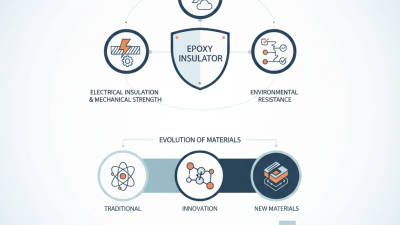
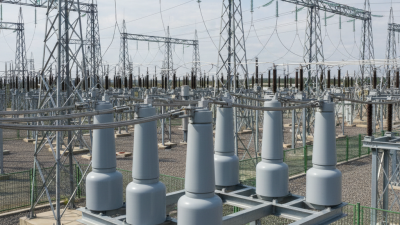
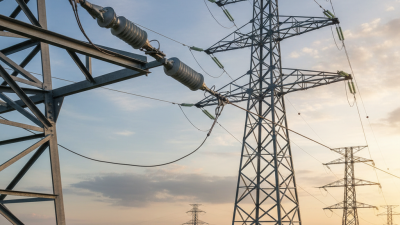
In the realm of electrical engineering, the significance of an Epoxy Insulator cannot be overstated. These insulators play a crucial role in ensuring safe and effective electrical distribution. Their resistance to environmental factors makes them ideal for various applications. However, understanding the best options available is essential for professionals in the field.
China, as a leader in manufacturing, offers a wide range of epoxy insulators. Exploring the top ten choices can provide valuable insights into quality. These products differ in specifications, performance, and reliability. Some might excel in thermal resistance, while others offer superior mechanical strength.
When evaluating epoxy insulators, it’s essential to consider both data and user feedback. This ensures a well-rounded understanding of their performance. In an industry where precision is critical, this knowledge equips engineers with the tools for optimal decision-making. As you navigate these options, reflect on your specific needs. The right insulator can significantly influence project outcomes.
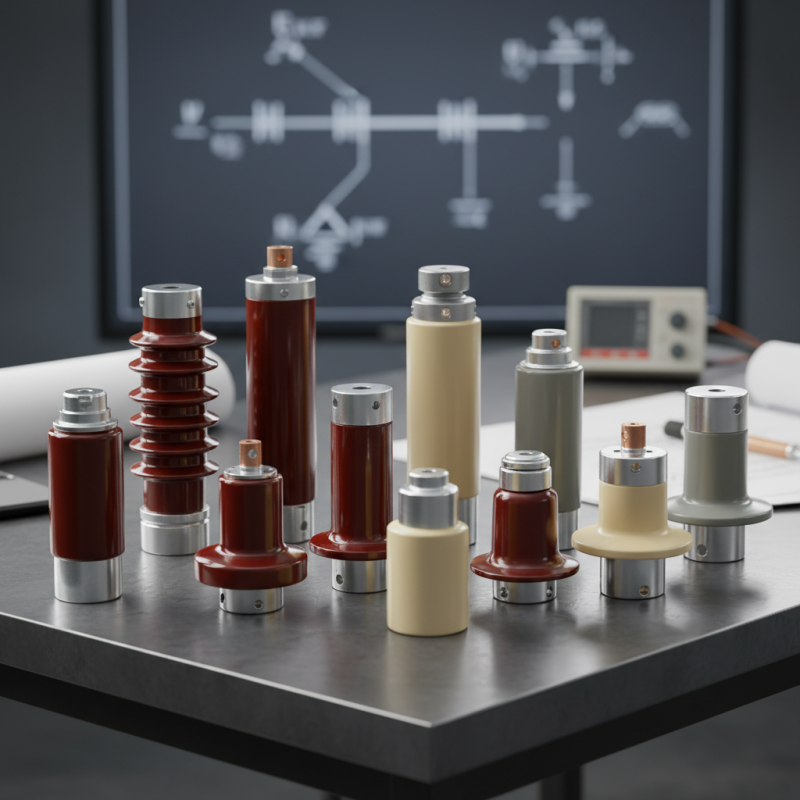
Overview of Epoxy Insulators in the Chinese Market
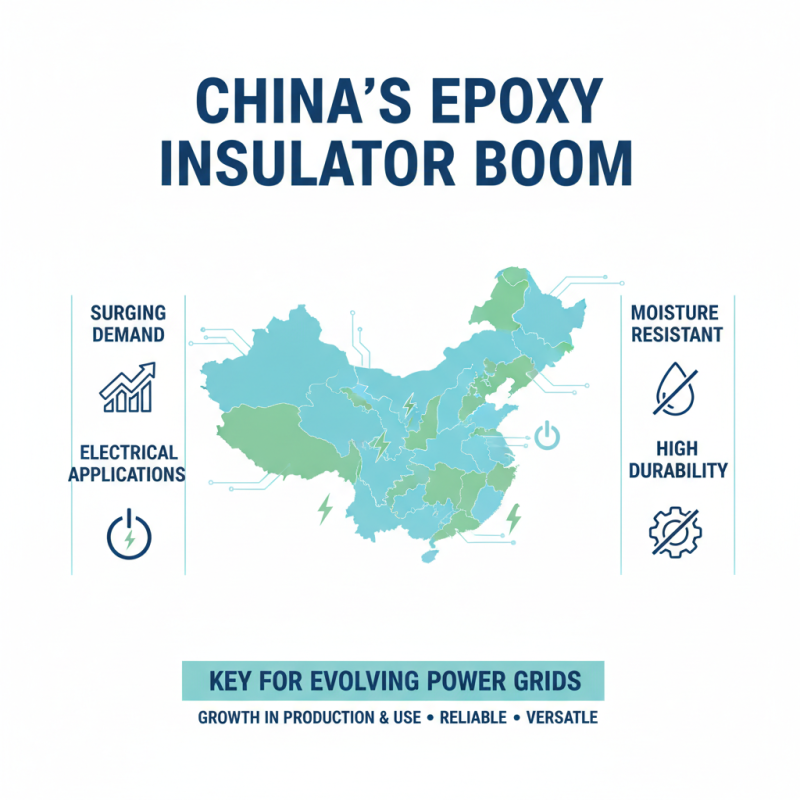
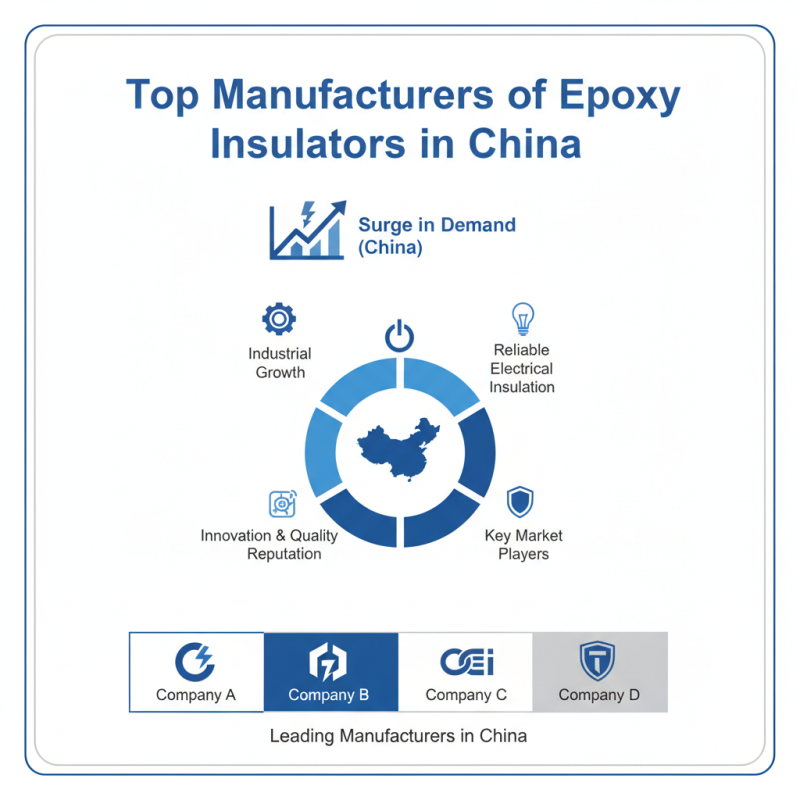
In recent years, the demand for epoxy insulators in China has surged. These insulators are vital in electrical applications due to their excellent electrical properties. They resist moisture and are highly durable, making them suitable for various environments. The Chinese market has seen significant growth in the production and use of these materials.
However, not all epoxy insulators are created equal. Variations in material quality can lead to differences in performance. Some manufacturers may cut corners to lower costs, which could affect reliability. This raises important questions about the standards used in production and the certifications held by providers. Evaluating the source of the epoxy is crucial for making informed choices.
Furthermore, the growing market can lead to a saturation of options, causing confusion. Many new players enter the market, yet understanding their expertise is vital. Potential users must consider the application needs before deciding. It remains essential to stay vigilant about safety disclosures and product reliability. An informed decision can significantly impact long-term electrical system performance.
Criteria for Selecting High-Quality Epoxy Insulators
When selecting high-quality epoxy insulators, several criteria should be considered. The first aspect is thermal stability. Quality insulators maintain performance under varying temperatures without degradation. Look for insulators that have undergone rigorous testing. High thermal resistance ratings are essential. They indicate effectiveness in preventing heat transfer.
Another critical criterion is electrical insulation properties. A good epoxy insulator should have low electrical conductivity. This prevents unwanted current flow. You should also pay attention to the dielectric strength. This measures the insulator's ability to withstand high voltages. Ideally, the insulator should surpass industry standards for safety.
Aesthetic aspects, like color and finish, might seem trivial. However, in applications where visibility is important, these factors play a role. Availability of products in multiple shapes and sizes can cater to specific needs. It's worth noting that not all insulators fit every application perfectly. Testing in real-world conditions is crucial to ensure compatibility.
Top 10 Epoxy Insulators in China You Should Know About
This chart displays the insulation resistance values of the top 10 epoxy insulators in China. The data reflects the performance range of these materials, essential for selecting high-quality insulators for various applications.
Innovative Applications of Epoxy Insulators in Various Industries
Epoxy insulators are gaining traction across various industries due to their superior properties. They resist heat, moisture, and chemicals. This makes them ideal for use in electrical components. These insulators can withstand high voltage without breaking down. It is essential for the safety and efficiency of modern machinery.
In the renewable energy sector, epoxy insulators play a crucial role. They enhance the reliability of wind turbines and solar panels. The high dielectric strength ensures consistent performance, even in harsh environments. In automotive manufacturing, these materials provide insulation for electric vehicles. They improve battery performance while ensuring safety.
However, challenges remain. The manufacturing process can be demanding. Quality control is crucial to avoid defects. Even small faults can lead to significant failures in applications. Continuous research is necessary to enhance the performance of epoxy insulators. Emphasizing innovation will help address ongoing issues and improve their versatility.
Future Trends in Epoxy Insulation Technology in China
The future of epoxy insulation technology in China looks promising as innovations continue to emerge. A focus on sustainability is driving research into eco-friendly materials. Manufacturers aim to develop products that minimize environmental impact while still delivering high performance. These efforts reflect a growing awareness of the industry's role in environmental conservation.
Moreover, advancements in nanotechnology are influencing the effectiveness of epoxy insulators. Incorporating nanoparticles can enhance performance features like thermal stability and electrical insulation. This shift leads to better energy efficiency in applications like electric motors and transformers. However, challenges remain in the scalability of these technologies and the cost of production.
Market demand for resistance to extreme temperatures and chemicals is increasing. Companies are investing in specialized formulations to meet these needs. This trend suggests a shift towards custom solutions. It is essential for manufacturers to balance innovation with reliability to maintain credibility. While the potential is vast, it requires careful execution and continuous improvement.