Industrial facilities depend on insulation to control heat loss, protect equipment, and maintain stable process temperatures. The International Energy Agency’s Energy Efficiency 2023 report estimates that industry accounts for about 37% of global energy use. That scale makes thermal management an operational concern, not a minor finishing detail. A suitable Heat Resistant Insulator can help reduce surface temperatures and support more consistent performance around furnaces, boilers, kilns, and hot pipes.
This guide compares ten commonly used materials, including mineral wool, calcium silicate, ceramic fiber, and microporous insulation. Their performance depends on more than a maximum temperature rating. Engineers also consider thermal conductivity, operating conditions, moisture, vibration, chemical exposure, installation space, and maintenance access. A loose-fitting blanket around a hot pipe, for example, may perform differently from a carefully installed board. Details matter.
ASTM C411 provides a standardized method for assessing insulation performance under hot-surface conditions. It offers useful context, but it cannot replace application-specific engineering review. No ranking fits every plant. Some choices involve trade-offs between cost, durability, and ease of installation, and published figures may vary by product and test conditions. This comparison should therefore be treated as a practical starting point, not a substitute for verified product data. The right choice depends on the actual process, the surrounding environment, and the consequences of heat loss or exposure.
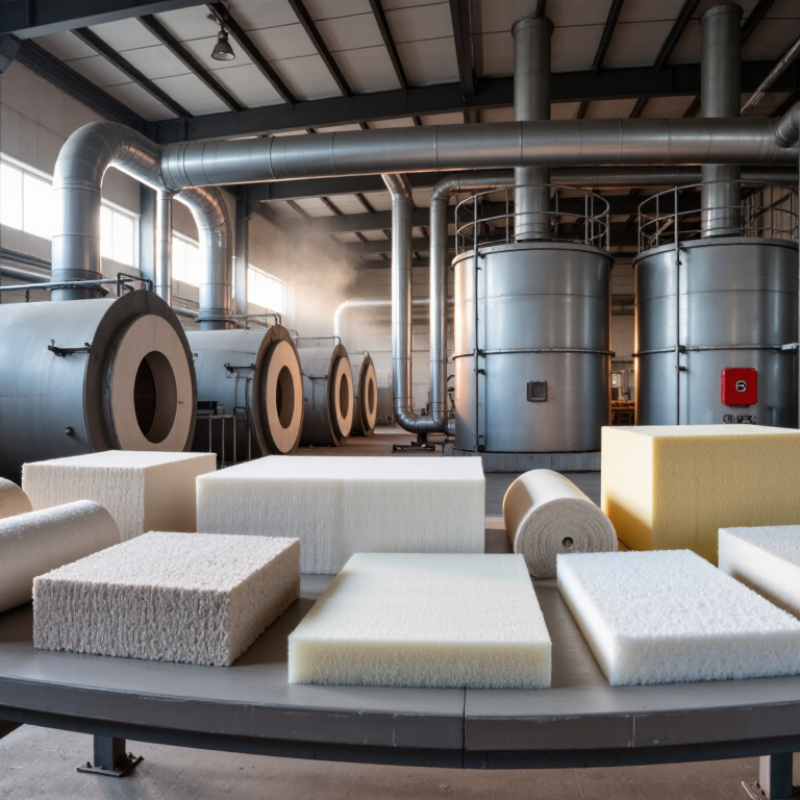
Heat-resistant insulators slow energy moving from hot equipment into cooler surroundings. They do not stop heat completely. Instead, they resist conduction through solid material, limit air movement in gaps, and reduce radiant transfer from exposed surfaces. A worker checking a furnace line may feel the difference as a cooler outer jacket, though surface temperature alone cannot confirm insulation performance.
Material choice depends on temperature, moisture, vibration, and contact with chemicals. Mineral wool and ceramic fiber trap still air among fibers; calcium silicate forms rigid sections around pipes, while microporous panels limit heat flow in thin spaces. The U.S. Department of Energy’s Better Plants guidance reports that insulation can reduce energy losses by 20–30%. Actual savings vary with equipment, installation quality, and operating conditions. Small gaps matter.
The U.S. Department of Energy’s Industrial Decarbonization Roadmap identifies industrial energy use as a major emissions source, reinforcing the value of reducing avoidable heat loss. Yet a neat thermal calculation can miss wet cladding, damaged joints, or frequent access for maintenance. Those details deserve inspection. Insulation also needs careful selection around hot surfaces: a material rated for high temperatures may still perform poorly if it absorbs moisture or cannot withstand vibration. A specification is only a starting point.
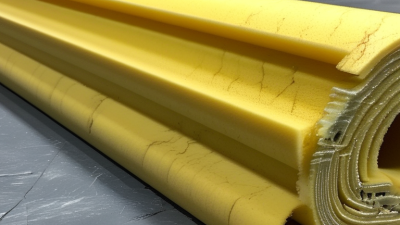
Choosing among ten heat-resistant insulators starts with the temperature profile, not a catalog maximum. Check continuous and peak limits, since brief excursions differ from hours of exposure. Thermal conductivity matters at operating temperature; some materials conduct more heat as they get hotter. A thin microporous panel may save space, while mineral-fiber blanket can fit irregular pipework. But compression, vibration, and wetting can change performance. Small details matter.
Evaluate thermal shock, shrinkage, and chemical compatibility with process gases, oils, and cleaning agents. Also compare density, compressive strength, and moisture uptake against the support structure and cladding. For a furnace wall, insulating firebrick may tolerate repeated cycles, yet joints can become weak points. For hot piping, removable blankets ease maintenance, though seams need careful fitting.
A sound comparison uses test data under relevant conditions and checks how values were measured. Look for conductivity curves, service-temperature limits, and dimensional-change results after heating. Confirm the material suits the atmosphere: oxidizing, reducing, humid, or chemically aggressive. Worker exposure during cutting and installation deserves attention too; ask for handling guidance. It is easy to overlook this.
Include supports, anchors, downtime, and replacement frequency in cost estimates.
No material wins everywhere.
A trial section can reveal fit and heat-loss issues before a full shutdown.
Industrial insulation is not one-material-fits-all. Ceramic fiber blankets line furnace walls where low weight and quick installation matter. Mineral wool commonly insulates pipes and tanks. Calcium silicate boards handle rigid, high-temperature equipment. Microporous silica panels limit heat loss where space is tight. Silica aerogel blankets offer thin insulation for complex pipework. Expanded perlite and vermiculite serve in loose-fill systems and insulating mixes. Insulating firebrick reduces heat transfer in kiln linings. Insulating refractory castables form shapes around burners and ducts. High-alumina brick resists demanding furnace conditions. The right choice depends on temperature, moisture, vibration, and contact with process materials.
Energy stakes are substantial. The U.S. Department of Energy’s 2015 report, Improving Process Heating System Performance, estimates that process heating uses about 2.3 quadrillion Btu annually, or roughly 36% of U.S. manufacturing energy. Insulation can reduce surface heat loss, but poor joints and damaged cladding undermine performance. A blanket around a hot valve may help; a wet, compressed blanket may not. No single material wins everywhere. Some products are costly or fragile, and published temperature limits vary by grade and installation. Engineers should check operating conditions and supplier test data, then inspect seams after startup. That last step is easy to overlook.
High-temperature industrial processes need insulation for more than heat retention. Furnace walls and kiln linings often use ceramic fiber or refractory brick, selected for operating temperature and repeated heating cycles. Boiler rooms may use mineral wool around pipes and vessels, where reducing surface heat loss also helps protect nearby workers. Small gaps matter. Poorly fitted joints can create hot spots, even when the insulation itself is suitable.
Different applications call for different materials. Calcium silicate boards can support rigid equipment surfaces, while flexible blankets suit irregular ducts and maintenance access points. Microporous and silica-based products may help where space is tight, but cost and handling requirements need careful review. In foundries, insulation must tolerate radiant heat and occasional impact; in process piping, moisture and vibration can be just as important as peak temperature. A datasheet rating alone is not enough. Check the full assembly, including cladding, anchors, joints, and expected thermal cycling.
Site conditions can complicate neat design assumptions. A section that performs well in a dry test may deteriorate if rain enters through damaged jacketing. I would also question any specification that ignores shutdowns, because rapid cooling can stress some linings. Inspect seams and surface temperatures during routine maintenance, and record where heat loss returns. That evidence can guide repairs without replacing insulation that is still performing properly.
Selecting insulation starts with the equipment, not a generic temperature rating. Check the manufacturer’s technical data and safety data sheet for continuous-use limits, thermal cycling, moisture exposure, and mechanical load. A brief peak temperature is not the same as a safe operating temperature. Also consider whether the material will face vibration or compression; a high-temperature product may still crack or shed dust.
Handling matters. NIOSH’s 2006 criteria document for refractory ceramic fibers recommends an exposure limit of 0.5 fibers per cubic centimetre as a time-weighted average. Use local exhaust during cutting, wear suitable gloves and eye protection, and follow the safety data sheet’s respiratory-protection guidance. Avoid dry sweeping and compressed air. A clean-looking cut can still release fibers. Small details matter.
If a product contains crystalline silica, OSHA’s silica standard sets an eight-hour permissible exposure limit of 50 micrograms per cubic metre and an action level of 25 micrograms per cubic metre. Control dust at the source, keep offcuts contained, and avoid crushing insulation during storage. One awkward point: a material can meet its heat rating yet prove too fragile for a vibrating installation. Check the actual service conditions before fitting it.