How to Choose the Right Composite Insulator for Your Needs?
Choosing the right Composite Insulator is crucial for ensuring safety and reliability in electrical systems. Dr. Sarah Thompson, a leading expert in insulating materials, emphasizes, "The choice of a composite insulator can significantly influence performance and longevity." This statement highlights the importance of understanding various factors before making a decision.
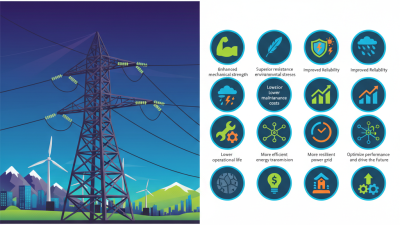
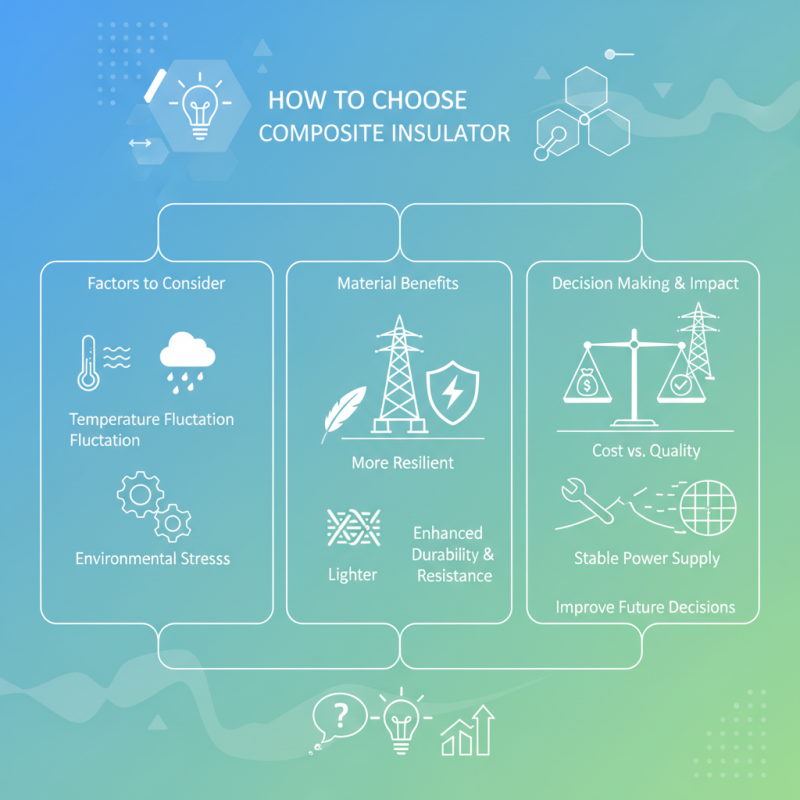
Composite Insulators are used in high-voltage applications, providing enhanced durability and resistance to environmental stresses. They are lighter and more resilient than traditional insulators. However, selecting the wrong type can lead to failures. Real-world implications can include power outages or equipment damage. Having the right insulator helps mitigate these risks, ensuring a stable power supply.
When evaluating options, consider the specific environmental challenges your insulators will face. Factors like temperature fluctuation and pollution levels must guide your choice. There is often a trade-off between cost and quality. Many users find themselves torn between budget constraints and selecting the best materials for their needs. The reflection on past choices can improve future decisions, ultimately enhancing safety and efficiency.
Understanding Composite Insulators and Their Applications
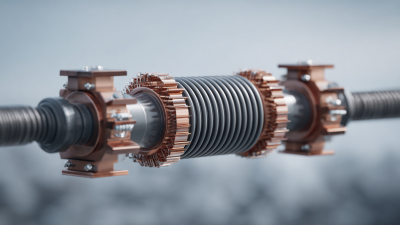
Composite insulators are pivotal in modern electrical systems. They are designed to withstand harsh environmental conditions. Typically made from materials like silicone rubber, they provide enhanced durability and performance. Their lightweight nature gives them an advantage over traditional insulators. These insulators are also resistant to pollution and moisture, making them suitable for various applications.
In power transmission, composite insulators excel. They are used in high-voltage lines and substations. Their design effectively reduces the risk of flashover. This characteristic is crucial in maintaining system reliability. However, some users have reported challenges in installation. Proper alignment and support during setup are vital. A misalignment can lead to premature wear and reduced performance.
Various factors influence the choice of composite insulators. Environmental conditions play a significant role. Areas with heavy pollution require specific insulator types to ensure longevity. Furthermore, the expected voltage level is essential for safety and efficiency. Users should consider their unique needs carefully. Balancing these factors can lead to better performance and reliability in electrical systems.
Key Factors to Consider When Selecting Composite Insulators
When selecting composite insulators, several key factors need careful consideration. Different environmental conditions demand different materials. For example, in humid climates, insulators with high hydrophobicity can perform better. Evaluate the temperature range as well. Some insulators may not withstand extreme heat or cold.
Mechanical strength is vital too. Composite insulators need to endure tensile and compressive forces during installation and operation. Look for specifications that detail the mechanical performance under various loads. Additionally, contamination resistance is important for longevity. Insulators exposed to pollutants may degrade faster.
Consider maintenance needs as well. Some composite insulators may require more frequent inspections and cleaning. This could impact operational efficiency and costs. Researching installation requirements and compatibility with existing systems is also wise. A mismatch could cause problems down the road, creating a costly reflection point.
Composite Insulators Selection Factors
Types of Composite Insulators Available on the Market
When selecting composite insulators, it's vital to understand the types available. There are several variations, each suited for different applications.
Polymer insulators, for instance, are popular due to their lightweight and high performance. They resist pollution and moisture better than traditional insulators. This makes them ideal for harsh environments.
Another option is silicone rubber insulators. They offer flexibility and durability. Their hydrophobic properties help repel water, reducing the risk of flashovers. However, they may not be suitable for all regions due to varying climatic conditions.
It's important to analyze the specific environment before making a choice.
Consider also the composite materials used in these insulators. Some consist of fiberglass cores with outer layers of polymer. This combination provides strength and insulation.
However, the quality of materials can differ significantly between manufacturers. Therefore, thorough research and consultation with experts can guide you in making the right decision.
Evaluating Environmental Conditions for Insulator Performance
When selecting a composite insulator, evaluating environmental conditions is crucial. Regions with high pollution levels, coastal areas, or areas prone to heavy rainfall require specific considerations. According to industry reports, pollution can reduce insulator performance significantly. In contaminated environments, leakage currents may increase, leading to premature failure.
Temperature extremes also impact use. Research suggests that insulators exposed to frequent thermal cycling—high heat during the day and cold at night—may degrade faster. Engineers recommend materials with high thermal endurance and stable performance. Humidity levels are another concern; high moisture can cause surface conductivity to rise, affecting insulation effectiveness.
While advanced composite materials show promise, the technology is not flawless. Field studies reveal that even high-quality insulators can struggle under certain conditions. Anomalies in performance data indicate the need for continuous monitoring. Adapting to local environmental specifics can prevent costly replacements and enhance reliability. Selection should account for specific regional climate patterns, adjusting for factors that impact insulator life cycles.
Best Practices for Installation and Maintenance of Composite Insulators
When it comes to composite insulators, proper installation and maintenance are crucial. According to industry reports, improper installation can lead to premature failure, with up to 30% of insulator failures attributed to installation errors. Ensuring the correct alignment and securing of insulators can significantly extend their lifespan. The use of proper torque specifications is vital; these metrics vary depending on the manufacturer’s guidelines.
Maintenance is equally important. Regular inspections should focus on visible wear, dirt accumulation, and environmental degradation. A study indicates that cleaning composite insulators can improve their efficiency by up to 25%. It’s essential to use appropriate cleaning methods and materials to avoid damage. User-specific conditions, like pollution levels or UV exposure, can affect maintenance frequency. Adjusting the maintenance schedule to these factors can prevent potential failures.
Documentation is often overlooked. Keeping thorough records of inspections and maintenance activities can track performance over time. This longitudinal data allows for informed decision-making when selecting or replacing insulators. Attention to details in both installation and maintenance practices can result in substantial cost savings and improved system reliability over the service life of composite insulators.