Top Tips for Choosing Composite Type Insulators Today?
In the realm of power transmission, the choice of insulators is critical. Composite Type Insulators have gained popularity due to their durability and effectiveness. Expert Mark Thompson, a leading authority in electrical engineering, states, "The right insulator can dramatically influence system reliability." This emphasizes the importance of selecting suitable insulators.
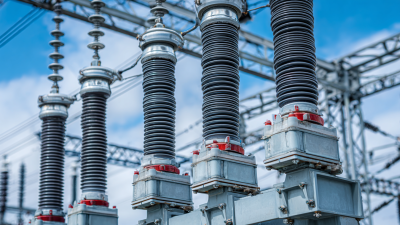
Composite Type Insulators are designed to withstand harsh environments. Their lightweight and corrosion-resistant nature make them ideal for both overhead and underground applications. However, not all composite insulators are created equal. There are various factors to consider, such as electrical strength, environmental conditions, and installation requirements.
Choosing the right Composite Type Insulator requires careful assessment. Buyers often overlook essential details, which can lead to failures in the field. It's crucial to reflect on the specific needs of your project. Each application may demand different characteristics. Thus, understanding these nuances can aid significantly in making an informed decision.
Understanding Composite Type Insulators and Their Applications
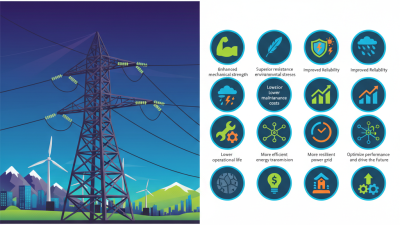
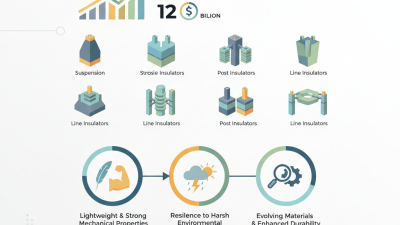
Composite type insulators have become crucial in various electrical applications. Made from advanced materials like silicone rubber, these insulators offer superior performance. Their lightweight nature and resistance to environmental factors account for their growing popularity. A report by the International Electrotechnical Commission notes that composite insulators improve reliability in harsh conditions, making them essential for modern power systems.
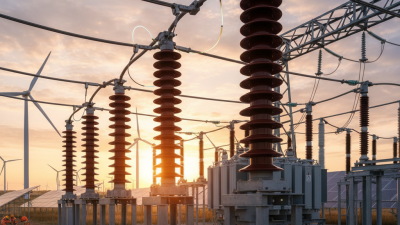
The increasing demand for renewable energy sources heightens the importance of these insulators. According to a study by Technavio, the market for composite insulators is expected to grow by over 5% annually. They are ideal for high-voltage transmission lines. However, their effectiveness can be influenced by factors such as UV exposure and pollution accumulation. Regular maintenance and inspections are necessary to ensure optimal performance. Users should be aware of these challenges when choosing the right insulator.
Factors like installation environments and operating conditions significantly impact insulator performance. It’s vital to consider the specific application needs before selection. Engineers often rely on data from field tests, but those results can be inconsistent. This complexity requires careful evaluation and understanding of composite insulators’ unique characteristics and limitations. Making informed decisions based on reliable data is key to enhancing the longevity and reliability of electrical systems.
Key Factors to Consider When Selecting Composite Insulators
When choosing composite type insulators, several key factors are essential.
Durability is a critical aspect. Composite insulators are often exposed to harsh environmental conditions.
According to a recent industry report, around 30% of insulator failures are due to environmental stress.
Materials play a significant role in ensuring longevity. High-quality composites can withstand temperature fluctuations and UV exposure.
Another crucial consideration is the electrical performance of the insulator.
The dielectric strength should meet or exceed standards for specific applications. Research from electrical engineering journals shows that
improper selection can lead to an increase in maintenance costs by up to 25%.
Understanding the electrical properties of the materials used helps mitigate risks.
Finally, installation and maintenance must not be overlooked.
Simpler installation procedures can reduce labor costs significantly. A study highlights that ease of installation can enhance overall
project efficiency by 15%. Ensuring that maintenance protocols are straightforward is equally vital.
Frequent inspections can further prolong the insulator's service life.
Paying attention to these factors will lead to better decision-making in composite insulator selection.
Comparing Composite Insulators with Traditional Insulating Materials
When comparing composite insulators with traditional insulating materials, several key factors come into play. Composite insulators typically offer enhanced performance in terms of electrical resistance and mechanical strength. According to industry reports, composite insulators exhibit a breakdown strength that is 30-50% higher than porcelain or glass insulators, making them ideal for high-voltage applications.
Durability is another critical aspect. Composite materials are inherently resistant to moisture, pollution, and UV degradation. This resilience leads to lower maintenance costs. For instance, a study by the Electric Power Research Institute indicated that composite insulators can last up to 40 years or more with minimal degradation. This lifespan is significantly longer than traditional materials, which may require replacement after 20 years.
However, it’s worth noting that composite insulators can be more expensive upfront. The initial investment may cause concern for some projects, particularly in budget-sensitive regions. Additionally, their performance can be affected by temperature variations, requiring careful selection based on the specific environment. This necessitates thorough evaluation and application of engineering expertise. The decision to use composite insulators should involve careful consideration of both initial costs and long-term benefits.
Tips for Evaluating Performance and Longevity of Composite Insulators
When choosing composite type insulators, evaluating performance and longevity is crucial. A well-performing insulator prevents electric leakage and ensures system reliability. Consider environmental factors affecting performance, such as temperature, humidity, and pollution levels.
One essential tip is to examine the material composition. Different composites offer unique resistance to aging and mechanical stress. Look for insulators with a balance of flexibility and durability. Always check for certifications that guarantee adherence to industry standards.
Another important aspect is maintenance. Regular inspections help detect wear and damage early. Establish a routine that includes checking for surface contamination, which can impact performance. Always keep in mind that even top-quality insulators can degrade over time. Investing in knowledgeable professionals for assessment can save future costs and enhance safety.
Performance and Longevity of Composite Insulators
Cost-Benefit Analysis of Using Composite Insulators in Electrical Projects
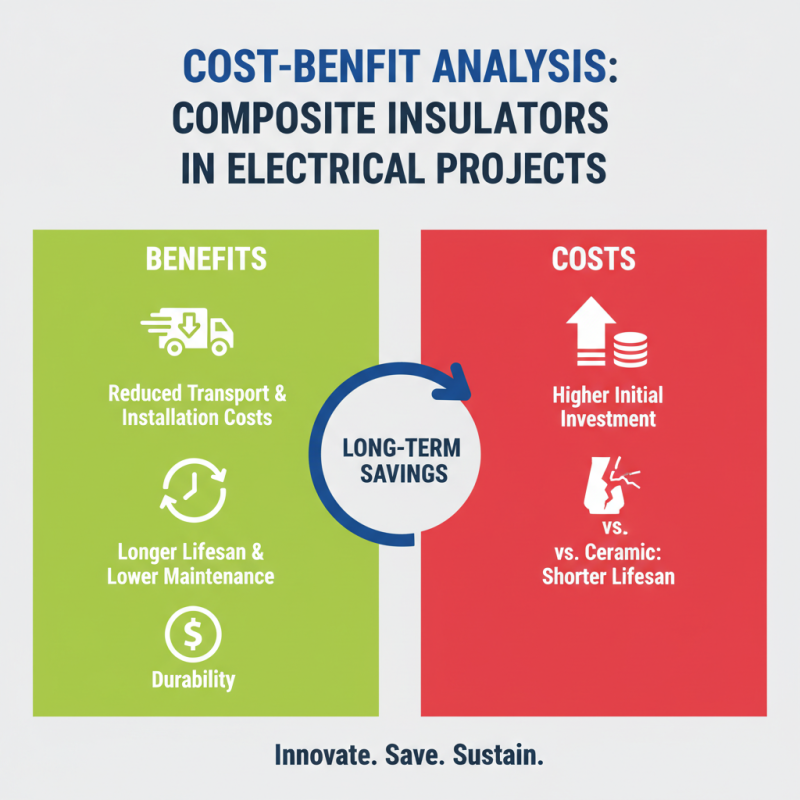
When undertaking electrical projects, the choice of insulators can significantly influence overall costs. Composite insulators, made from durable materials, are increasingly popular. Their lightweight nature reduces transport and installation costs. Additionally, they have a longer lifespan compared to traditional ceramic insulators, which translates to lower maintenance expenses. However, the initial investment can be higher.
Evaluating the cost-benefit balance is crucial. An analysis may reveal that the long-term savings of composite insulators outweigh their initial price tag. Consider factors like environmental resistance and performance longevity. Some projects might initially struggle with accepting higher upfront costs. Yet, the reduced risk of failure often justifies this expense.
In sketches of past projects, engineers often noted benefits. They appreciated how composite insulators performed under extreme weather. Yet, it is worth reflecting. Not every project may benefit equally from composite materials. Specific conditions might favor traditional options. Careful consideration of project needs is essential for a wise decision.