Top 10 Stand Off Insulator Types for Global Buyers?
In today's global market, the demand for quality electrical components continues to grow. Among these, Stand Off Insulators play a crucial role in ensuring safety and efficiency in power transmission. These devices are essential for steering clear of short circuits and maintaining electrical integrity. With numerous designs available, buyers face challenges in selecting the right type.
Understanding the various Stand Off Insulator types is vital for any global buyer. Every type has unique features, and applications can vary widely. Some offer excellent insulation properties, while others excel in physical strength. This diversity requires careful consideration for optimal performance. Buyers must weigh the pros and cons of each type and recognize that not all insulators are created equal.
As we explore the top ten Stand Off Insulator types, it’s important to reflect on individual needs and regional standards. There is no one-size-fits-all solution. Reliability and expertise play significant roles in making informed choices. By delving into specifics, buyers can navigate their options more effectively. Balancing quality and cost is always a challenge.
Types of Stand Off Insulators and Their Applications in Electrical Systems
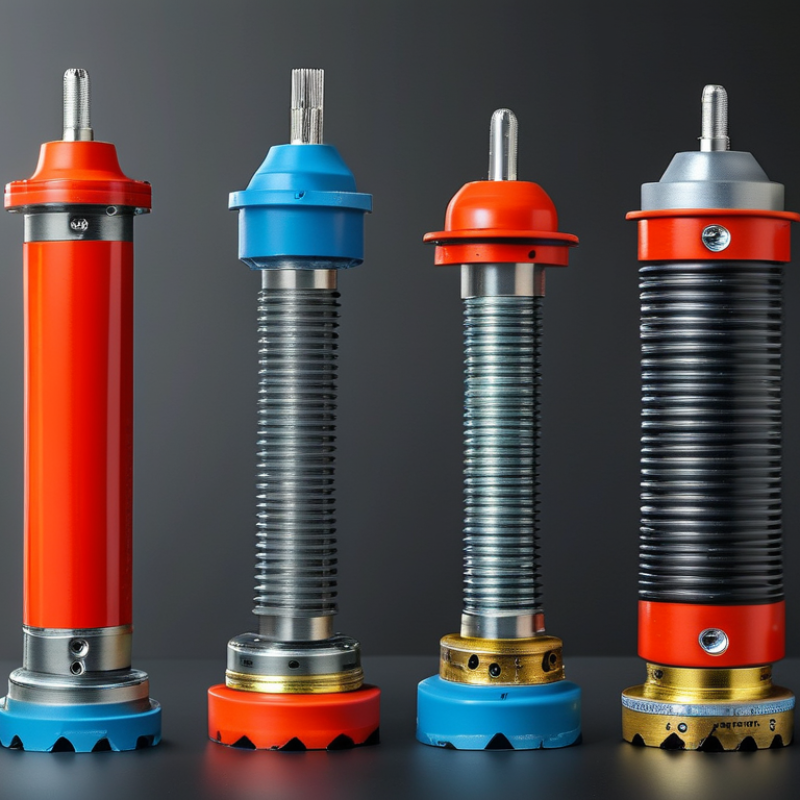
Stand off insulators play a crucial role in electrical systems. These insulators support conductors while maintaining safety and performance. Various types exist, each catering to specific applications. Understanding these insulator types enhances system reliability.
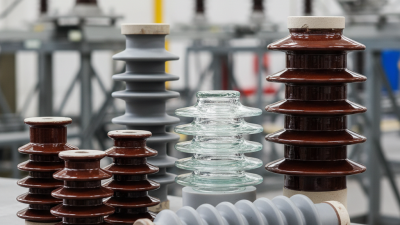
Porcelain insulators remain popular. They excel in strength and durability. According to industry reports, they can withstand high temperatures and severe weather. Their longevity reduces maintenance costs. Composite insulators, on the other hand, are lighter and easier to install. They resist pollution and moisture. This adaptability makes them ideal for urban applications.
**Tip:** Always consider environmental factors when selecting insulators. Conditions like humidity and pollution levels can affect performance.
Glass insulators are also noteworthy. Their transparency allows for easy inspection. However, they can be more fragile than other types. This fragility requires careful handling during installation. Other types, such as polymer insulators, offer flexibility and lightweight advantages. Yet, the choice of material requires reflection on application needs.
**Tip:** Regular inspections of insulators can help identify wear. Monitoring can prevent unexpected failures.
Understanding the insulator types and their properties leads to smarter choices in electrical systems. Each option's strengths and weaknesses must be weighed carefully, as user experiences often reveal the best fit for specific situations.
Top 10 Stand Off Insulator Types for Global Buyers
| Insulator Type |
Material |
Usage |
Voltage Rating (kV) |
Typical Applications |
| Porcelain |
Ceramic |
High Voltage |
110 - 400 |
Transmission Lines |
| Composite |
Polymer |
Medium Voltage |
15 - 36 |
Distribution Systems |
| Glass |
Silica |
High Voltage |
70 - 330 |
Railway Systems |
| Polymer |
Thermoplastic |
Low Voltage |
1 - 10 |
Renewable Energy Systems |
| Silicone Rubber |
Rubber Composite |
Medium Voltage |
10 - 36 |
Telecommunication |
| Insulating Bushing |
Epoxy |
High Voltage |
69 - 345 |
Transformers |
| Drop Out Fuse Insulator |
Polymer |
Medium Voltage |
15 - 36 |
Overhead Distribution |
| Strain Insulator |
Ceramic |
High Voltage |
110 - 765 |
Tension Insulators |
| Suspension Insulator |
Porcelain |
High Voltage |
66 - 400 |
Overhead Lines |
| Post Insulator |
Composite |
High Voltage |
70 - 420 |
Substation Equipment |
Material Composition of Stand Off Insulators: Strengths and Weaknesses
Stand-off insulators play a crucial role in electrical systems. Their material composition greatly influences their performance. Common materials include porcelain, glass, and composite polymers. Each has distinct strengths and weaknesses.
Porcelain stands out for its high mechanical strength and durability. However, it can be brittle under impact and weight.
Glass insulators offer excellent electrical properties and resistance to environmental factors. Yet, they can be heavier and more prone to breakage during handling.
Composite polymers are lightweight and resistant to aging. Still, they may not provide the same robustness as porcelain or glass under certain conditions.
Evaluate your specific needs when selecting the type of insulator. Think about the environmental stresses where they will be used. For example, in coastal areas, materials must withstand corrosion from salt.
In addition, consider installation challenges and long-term maintenance. Each type of insulator comes with its own trade-offs.
Choose wisely, based on the context and applications, for optimal performance.
Key Factors for Selecting the Right Stand Off Insulator for Your Needs
Choosing the right stand-off insulator is crucial for ensuring safety and reliability in electrical installations. Several key factors should guide your selection process. First, consider the voltage rating of the insulator. It should match or exceed the voltage needs of your application. The material used in the insulator also affects performance. Common materials include ceramic and polymer, each with distinct benefits.
Another important aspect is environmental conditions. If the insulator will be exposed to extreme temperatures or moisture, opt for a type designed for such conditions.
Durability and resistance to harsh weather are equally important. These characteristics will ensure a long lifespan and consistent performance.
Tip: Always review the technical specifications. This helps in understanding what you truly need for your specific situation.
Additionally, compatibility with existing infrastructure should not be overlooked. An insulator that fits well into your system enhances overall efficiency. Discussing your needs with an expert can provide deeper insights.
Tip: Consult multiple sources before finalizing your choice. Gathering varied perspectives can highlight potential pitfalls.
Ultimately, selecting the right stand-off insulator requires careful consideration of all these factors. Take your time to evaluate your options thoroughly. Trust your instincts and don't hesitate to seek advice when needed.
Global Market Trends and Demand for Stand Off Insulators
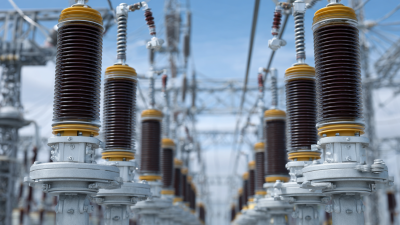
The global market for stand-off insulators is evolving rapidly. As electrical infrastructure continues to grow, the demand for reliable and durable insulators has surged. These components are crucial for supporting overhead power lines. They help prevent electrical leakage while ensuring safety and functionality.
In recent years, environmental concerns have also influenced designs. Manufacturers are focusing on materials that withstand harsh conditions. Weather-resistant and UV-stable insulators are gaining attention. However, the production process often struggles with quality control. Some products may not meet the high standards that buyers expect. This inconsistency can lead to distrust in the market.
Market trends indicate a preference for innovative designs. Buyers are leaning towards insulators with improved performance metrics. Factors such as cost, longevity, and maintenance are key considerations. Yet, there's still a gap between innovation and practical application. Companies must prioritize research and development to close this gap. Enhanced designs could lead to more sustainable practices.
Installation and Maintenance Best Practices for Stand Off Insulators
When installing stand off insulators, attention to detail is crucial. Proper positioning is vital for optimal performance. Ensure that the insulators align correctly with the mounting surfaces. Misalignment can lead to premature wear and decreased effectiveness. Regular checks for wear or damage can help maintain service life.
Maintenance best practices include periodic inspections. Look for signs of cracks or degradation. Environmental factors like humidity can accelerate deterioration. Cleaning insulators is also important. Dust and debris can affect their performance. Use gentle cleaning methods to avoid damage.
Documentation of inspections and maintenance is essential. This practice builds accountability and provides a history for future reference. Review maintenance records regularly. Identifying recurring issues early can prevent failures. Engaging with industry experts can provide insights into new maintenance techniques.