Top 10 Eco Friendly Insulators You Should Know About?
In today’s world, the building sector is responsible for nearly 40% of global carbon emissions. As more consumers prioritize sustainability, the demand for eco-friendly options is rising. Eco friendly insulators have emerged as a vital component in reducing energy consumption and enhancing thermal performance. According to a recent report by the International Energy Agency, better insulation in buildings could cut energy use by up to 30%.
Choosing the right eco friendly insulators can appear overwhelming. Many options exist, from natural fibers to recycled materials. Some products prove efficient, while others may fall short in performance. For instance, cellulose insulation, made from recycled paper, offers superior thermal resistance but requires careful installation. Reflections on individual choices shape a collective impact, pushing brands toward greener practices.
As we explore the top 10 eco friendly insulators, it’s crucial to understand their characteristics, advantages, and limitations. Some products excel in reducing energy costs, while others may not meet every consumer's needs. It’s essential to look beyond the labels and make informed choices. The future of sustainable construction relies on a commitment to improvement and adaptation in the insulation sector.
Understanding Eco-Friendly Insulation Materials
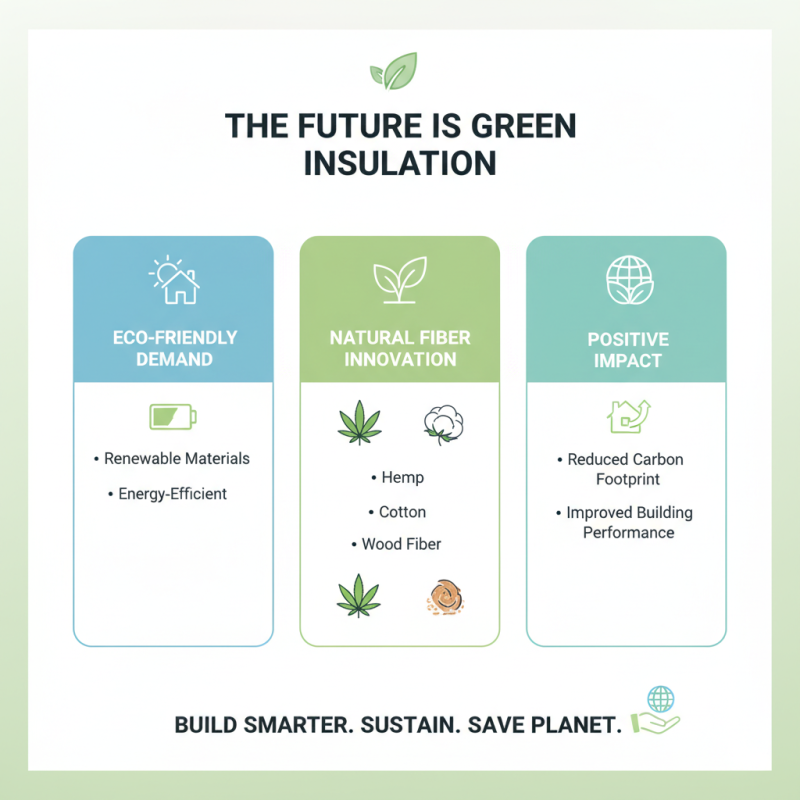
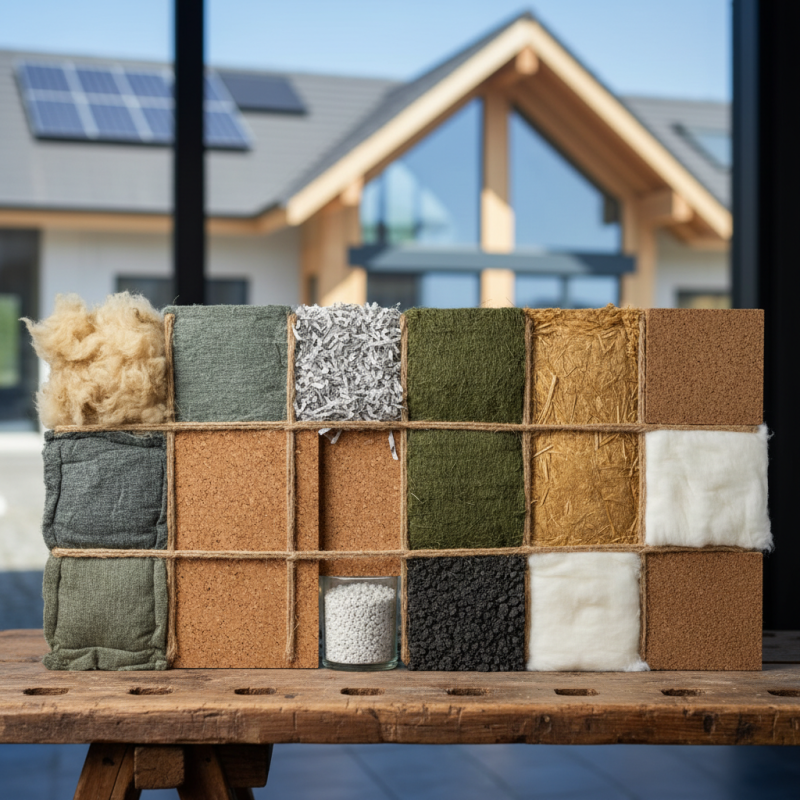
Eco-friendly insulation materials are gaining traction as more people seek sustainable building practices. Traditional insulation often contains synthetic materials that can harm the environment. In contrast, eco-friendly options are typically made from natural or recycled materials. Reports estimate that using natural insulation can reduce a building's carbon footprint by up to 50%.
Materials like cellulose, made from recycled paper, are popular. They are treated with non-toxic fire retardants, enhancing safety without sacrificing environmental benefits. Other options include sheep's wool and straw bales, both of which provide excellent thermal performance. Sheep's wool can absorb moisture while remaining insulating, and straw bales have been used successfully for centuries.
Tip: When selecting insulation, look for certifications that verify sustainability. Checking labels can help you identify materials with lower environmental impact. Remember, not all eco-friendly materials are created equal. Sometimes, the sourcing methods can still cause harm to local ecosystems. It's essential to research the full lifecycle of insulation products.
Opt for regional materials to minimize transportation emissions. Keep in mind that some natural insulations could require more maintenance. For example, cellulose might settle over time, losing its effectiveness. This means regular checks and possible reapplication. Consider these factors when deciding on the best insulation for your eco-friendly building project.
Benefits of Using Sustainable Insulators
Sustainable insulators come with numerous benefits. They reduce energy consumption, lowering overall utility costs. Studies show that using eco-friendly insulation can cut heating and cooling bills by up to 30%. This is a significant saving for both homeowners and businesses. Moreover, sustainable materials often have a lower embodied energy, meaning they require less energy to produce and transport.
Using sustainable insulation supports environmental health. Traditional insulators may emit harmful chemicals. In contrast, eco-friendly options are often made from natural materials, like wool or cellulose. These materials are biodegradable and can contribute to a circular economy. For example, cellulose, made from recycled paper, can reduce landfill waste significantly.
However, it is essential to recognize that not all sustainable insulators are perfect. Some may lack the same performance as conventional options. There can be challenges in installation and effectiveness in specific climates. Consumers must assess their needs carefully. Making informed choices about insulation can lead to better environmental and economic outcomes.
Top 10 Eco-Friendly Insulators: An Overview
When it comes to eco-friendly insulators, the options available today are diverse and promising. Natural fibers such as hemp and sheep wool serve as effective insulators. They are renewable and biodegradable. According to the American Society of Heating, Refrigerating and Air-Conditioning Engineers (ASHRAE), these materials often provide superior thermal performance compared to conventional foam insulators.
Cellulose insulation, made from recycled paper, stands out for its low environmental impact. It can reduce energy consumption by up to 30%, as reported by the U.S. Department of Energy. Its application in homes is growing as more builders seek sustainable alternatives. However, installing cellulose requires careful handling to avoid moisture issues.
Another notable option is straw bale insulation, which offers an impressive R-value. This organic material requires minimal processing, reducing carbon emissions significantly. Yet, it also poses challenges in terms of pest control. Homeowners must weigh the benefits against potential drawbacks. Overall, the eco-friendly insulation landscape is evolving, but careful consideration is essential for successful implementation.
Comparative Analysis of Eco-Friendly Insulation Types
When selecting eco-friendly insulation, various types present different benefits and drawbacks.
Cellulose insulation, made from recycled paper products, is a popular choice.
It is highly effective at blocking heat transfer. However, cellulose can be susceptible to moisture, leading to mold issues. Proper installation is crucial to prevent these problems.
Another option is sheep’s wool insulation. This natural material regulates temperature well.
It absorbs moisture and reduces noise but can be more expensive. Additionally, sourcing wool sustainably is essential to maintaining its eco-friendly status.
Hemp insulation is gaining attention for its sustainability. Hemp grows quickly and needs little water.
It is also fire resistant and biodegradable. Yet, the availability of hemp products can be limited. This may pose a challenge for widespread use.
Recycled denim insulation is another interesting alternative. It’s made from scrap fabric and provides decent thermal performance.
While it’s less toxic than traditional insulation types, denim may not be as effective in some climates. Each material has its strengths and weaknesses, emphasizing the need for careful evaluation based on specific needs.