Essential Tips for Choosing Medium Voltage Post Insulators?
Medium Voltage Post Insulators play a crucial role in ensuring reliable power distribution. According to the Global Insulator Market Report, the demand for medium voltage insulators is expected to rise by 6% annually through 2025. This growth highlights the need for quality selection in insulator technology.
Choosing the right Medium Voltage Post Insulator is vital for the safety and longevity of electrical systems. Proper insulation can prevent outages caused by environmental factors like pollution or humidity. Many companies still face challenges when selecting appropriate insulators. Often, there is confusion about materials, ratings, and their specific applications.
Ultimately, poor choices can lead to significant losses. Companies may overlook local requirements or fail to analyze environmental conditions thoroughly. This oversight can result in inadequate performance. It highlights the need for careful consideration when selecting Medium Voltage Post Insulators. The right choice is essential for efficiency and operational success.
Understanding Medium Voltage Post Insulators and Their Applications
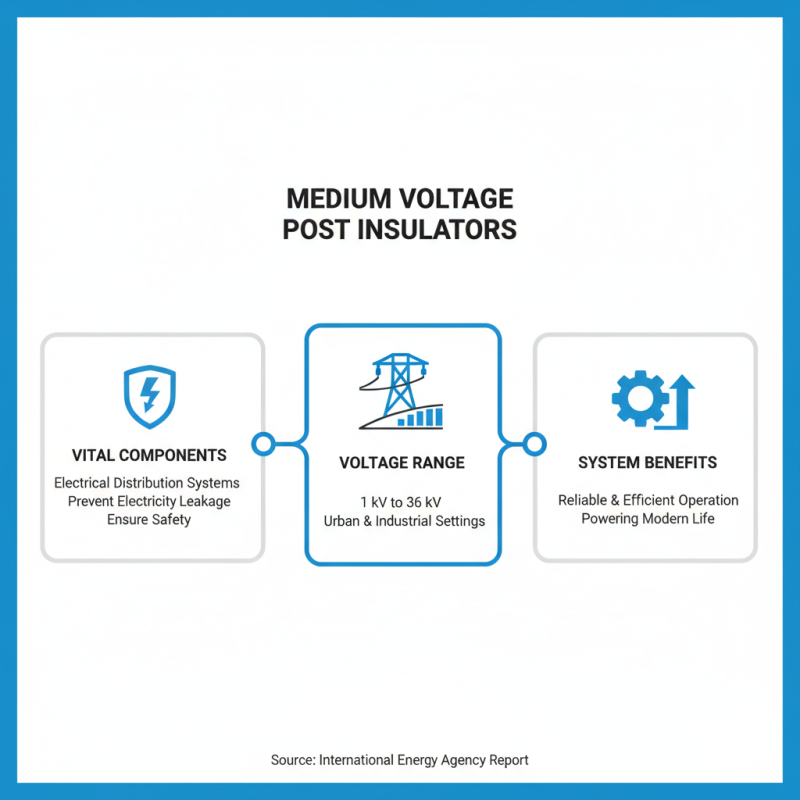
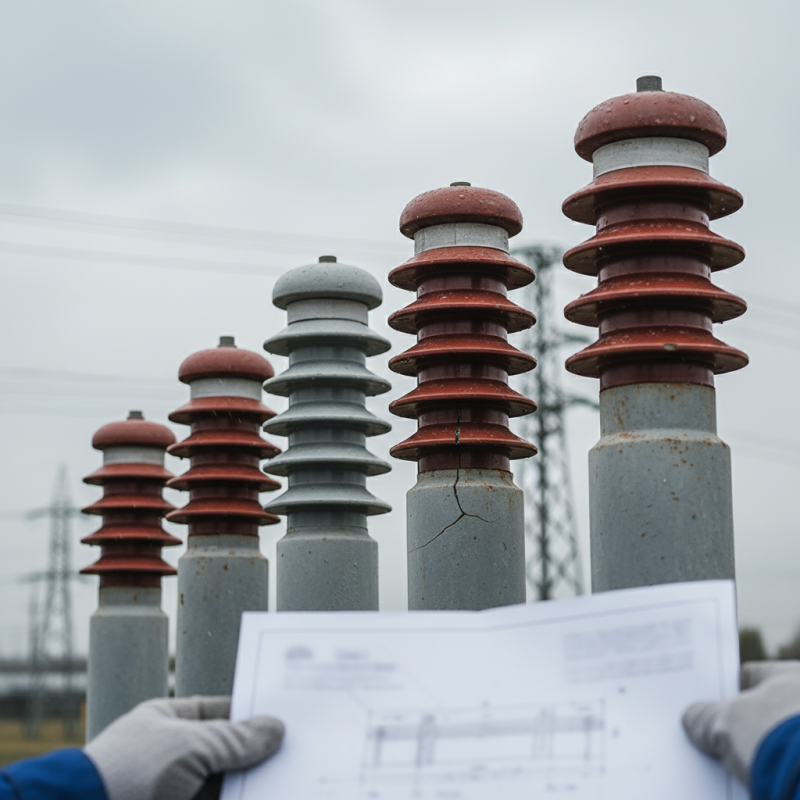
Medium voltage post insulators are vital for electrical distribution systems. They maintain reliable and efficient operation in various applications. According to a report by the International Energy Agency, medium voltage systems cover voltages ranging from 1 kV to 36 kV. These insulators help prevent electricity leakage, ensuring safety in urban and industrial settings.
When selecting post insulators, consider environmental factors. Insulators must endure varying weather conditions, temperature fluctuations, and pollution. Data from industry studies indicate that pollution levels can significantly impact insulator performance. In regions with high pollution, insulators may require more frequent maintenance. This highlights the need for careful material selection to enhance their lifespan.
Understanding the electrical strength and mechanical durability of insulators is crucial. Reports suggest that composite insulators outperform traditional porcelain in specific applications. However, they may not be suitable for every environment. In some cases, porcelain insulators offer better performance under certain conditions. Evaluating these factors can lead to better decision-making and optimized performance for electrical systems.
Key Factors to Consider When Selecting Medium Voltage Post Insulators
When selecting medium voltage post insulators, a few critical factors come into play. Insulators must withstand high voltage and extreme environmental conditions. Data from the Electric Power Research Institute shows that failure rates for insulators rise significantly with inadequate material quality. Opt for materials like silicone rubber or glass. These enhance durability and resist contamination effectively.
Another consideration is electrical strength. The insulator's dielectric strength needs careful evaluation. According to industry standards, suitable insulators should withstand over 50 kV for medium voltage applications. Assessing operational life is crucial too. Regular inspections can reveal signs of wear. Many insulators offer a lifespan of 30 years, but environmental factors can reduce this.
Lastly, installation and maintenance matter. Inadequate installations lead to failures. Documentation from various utility companies highlights that improper grounding often results in early failures. Always seek insulators with clear installation guidelines. Attention to these details can save costs in the long run.
Material Selection: Impact on Performance and Durability of Insulators
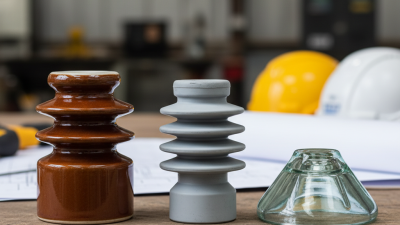
When selecting materials for medium voltage post insulators, performance and durability are crucial. Insulators made from different materials can behave quite differently. For instance, porcelain insulators are well-known for their strength and longevity. However, they can be heavy and may break under stress. This possibility raises concerns during installation and maintenance.
On the other hand, composite insulators offer lighter weight and flexibility. They resist pollution and moisture better than traditional materials. Yet, some may question their long-term durability in extreme conditions. The choice of material can depend on environmental factors. These factors include temperature fluctuations and the presence of chemicals. Users often overlook the specific needs of their locations.
Testing is essential but not always thorough. Many insulators fail prematurely because of limited evaluations. This point highlights the importance of rigorous selection processes. The right material can significantly enhance the lifespan of insulators. Each application presents unique challenges, and selecting the right insulator material is paramount for reliability and performance.
Evaluating Environmental Conditions for Optimal Insulator Performance
When selecting medium voltage post insulators, understanding environmental conditions is crucial. Different climates can influence insulator performance greatly. For example, high humidity can lead to surface leakage. On the other hand, areas with heavy pollution might require insulators with enhanced surfaces to combat dirt accumulation. Think about how your local weather affects these components.
Tips: Consider local weather patterns when choosing insulation materials. Assess contamination levels in your area, as they directly impact long-term performance. Insulators in coastal areas face salt spray challenges. Seek products that are resistant to corrosion.
Evaluate your location carefully. It is important to remember that not all insulators perform the same. The ideal choice may vary based on specific environmental factors. Extreme temperatures can also be a concern. Remember, perfect conditions rarely exist. Regular assessments may be necessary to ensure continued effectiveness.
Essential Tips for Choosing Medium Voltage Post Insulators
| Factor |
Considerations |
Examples |
| Environmental Conditions |
Assess the local climate, humidity levels, and pollution. |
Coastal areas require marine-grade insulation. |
| Pollution Degree |
Determine pollution levels in the area and choose insulators accordingly. |
High pollution areas require insulators with higher creepage distances. |
| Mechanical Strength |
Evaluate the mechanical stresses the insulator will face. |
Insulators in windy areas need higher mechanical strength ratings. |
| Thermal Stability |
Consider temperature variations and extremes. |
Areas with hot summers and cold winters need insulators that can handle thermal expansion. |
| Installation Environment |
Analyze the installation method and ease of access to the location. |
Remote locations may require lightweight and easy-to-install insulators. |