What are Switchgear Insulators and Why are They Key?
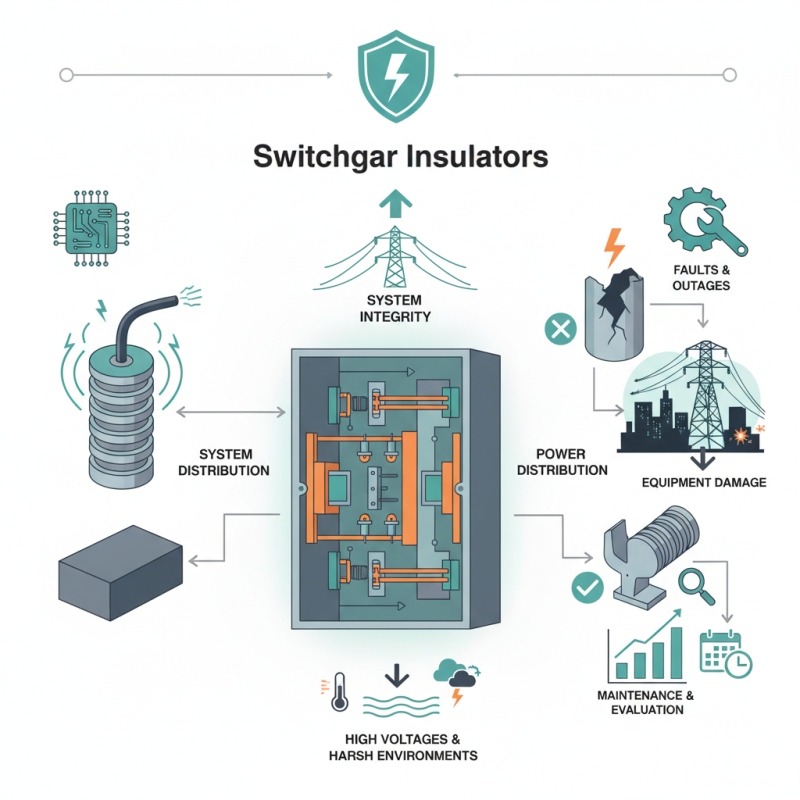
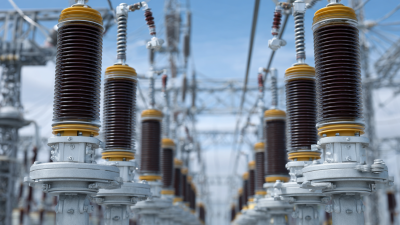
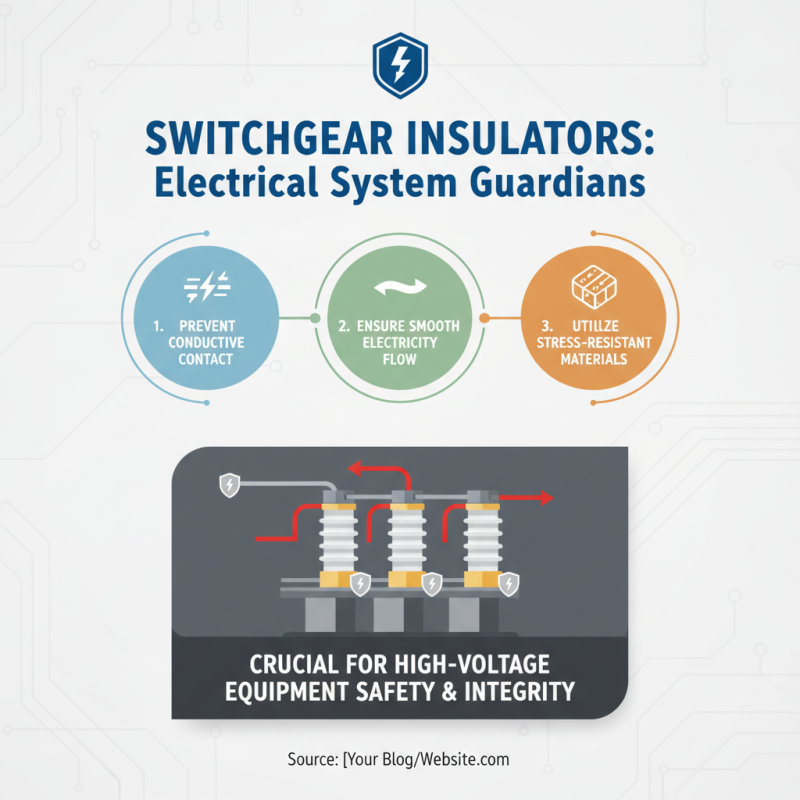
Switchgear insulators play a crucial role in electrical systems. These components ensure the safe and reliable operation of switchgear. They provide necessary insulation, preventing electrical faults and maintaining system integrity.
Without switchgear insulators, power systems face significant risks. Insulator failure can lead to outages or worse, equipment damage. The performance of switchgear depends heavily on these insulators. They must withstand high voltages and harsh environmental conditions. This reliability is not always guaranteed, prompting concerns for engineers.
The importance of switchgear insulators extends beyond their basic function. They represent a critical line of defense in power distribution. Regular maintenance and evaluation are essential for optimal performance. Understanding their features and limitations can help prevent failures. It is a constant challenge for operators to ensure their effectiveness.
What is Switchgear Insulation?
Switchgear insulation plays a crucial role in the effectiveness and safety of electrical systems. Insulation separates conductive parts, ensuring that electrical energy is directed correctly and safely. It prevents short circuits, providing reliability in various environments. According to industry reports, about 30% of electrical failures stem from inadequate insulation. Proper insulation choice impacts performance significantly.
Materials like epoxy resin or silicone are often used for insulation. These materials are designed to withstand harsh conditions. Yet, not every installation considers the local environment or potential risks. For instance, wet or humid areas require specialized insulators to maintain functionality. Misjudging insulation needs can lead to recurrent failures.
In many cases, maintenance is overlooked. Regular inspections are essential to identify degradation or damage. An alarming statistic reveals that 70% of electrical failures could be avoided with proper upkeep. There’s room for improvement in awareness and practices. Ensuring robust switchgear insulation can lead to enhanced safety and efficiency.
Switchgear Insulators and Their Impact on System Performance
This chart illustrates the strength of different switchgear insulators measured in kilovolts (kV). Understanding the performance of these materials is key in selecting the right insulation for safe and efficient electrical systems.
Types of Switchgear Insulators
Switchgear insulators are crucial components in electrical systems. They ensure voltage control and interrupt faults. The effectiveness of these insulators directly impacts system reliability. A study by the International Electrotechnical Commission (IEC) noted that poor insulation can lead to equipment failure in over 30% of electrical installations.
There are several types of switchgear insulators. Porcelain insulators are commonly used. They offer durability and resistance to environmental conditions. However, they are heavy and can be fragile. Composite insulators, made from polymer materials, are gaining popularity. They are lighter and more resistant to contamination. Yet, they can degrade faster in harsh conditions.
Another important category is glass insulators. They provide excellent visibility for inspection. However, they must be handled carefully. Damage can lead to safety risks. The choice of insulator type greatly influences performance. Industry reports suggest that selecting the right insulator can improve a switchgear’s lifespan by up to 40%. This underscores the importance of understanding each type before making decisions.
Key Benefits of Using Quality Switchgear Insulators
Switchgear insulators play a crucial role in electrical systems. They ensure the reliable operation of switchgear by supporting the conductors and isolating live parts from the ground and surroundings. Reliable insulators minimize the risk of electrical failures. According to industry reports, about 20% of switchgear failures are linked to insulation breakdown. Therefore, quality insulators directly affect system reliability and maintenance costs.
Using high-quality switchgear insulators has numerous benefits. They offer increased longevity, which can extend beyond 30 years. They withstand harsh environmental conditions, reducing the need for replacements. This can lead to significant cost savings over time. Studies indicate that systems with premium insulators experience 40% fewer outages. In addition, these insulators enhance safety by decreasing the chances of electrical arcs and unintended faults.
However, not all insulators perform equally. Some may look robust but fail under stress. Periodic inspections are critical to ensure performance. Regular assessment can catch issues before they escalate. Investing in better materials is essential, but awareness is also key. In the end, the effectiveness of switchgear insulators relies on a combination of quality manufacturing and vigilant maintenance.
Maintenance and Testing of Switchgear Insulators
Switchgear insulators play a vital role in electrical systems. Their main function is to support conductors and isolate live parts. Regular maintenance and testing of these insulators are essential to prevent failures. According to the IEEE, more than 30% of unplanned outages are linked to insulation failure. This statistic highlights the importance of understanding how to maintain these essential components.
Maintenance involves inspecting for wear and damage. Regular visual checks can reveal cracks or discoloration. These signs indicate that an insulator may not perform as expected. Testing could include high-voltage tests, which measure the insulation's resistance. The IEC recommends these tests every five years. However, some facilities still neglect them. That can lead to significant repercussions.
Inconsistent maintenance practices are concerning. Over 20% of electrical utilities do not conduct regular testing on switchgear insulators. This neglect could result in costly downtime. Furthermore, environmental factors like pollution can accelerate the degradation of insulators. Thus, a proactive approach in maintenance and testing is crucial. It's not just about preventing failures—it's about ensuring reliability and safety in electrical systems.
What are Switchgear Insulators and Why are They Key? - Maintenance and Testing of Switchgear Insulators
| Dimension |
Details |
| Material |
Porcelain, Glass, Polymer |
| Function |
Insulation, Voltage Support, Environmental Protection |
| Testing Frequency |
Annually, Bi-Annually, or as per requirement |
| Common Tests |
Visual Inspection, Insulation Resistance Testing, Power Factor Testing |
| Key Performance Indicator |
Dielectric Strength, Mechanical Strength |
| Failure Modes |
Tracking, Erosion, Cracking |
| Maintenance Practices |
Cleaning, Inspection, Replacement of Damaged Insulators |