What is a Medium Voltage Insulator and How Does it Work?
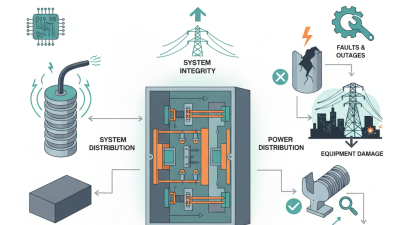
A Medium Voltage Insulator plays a critical role in electrical systems. Its main function is to support and insulate conductors. At medium voltages, which range from 1 kV to 35 kV, the demand for reliable insulation becomes essential.
These insulators are commonly made from materials like porcelain and composite polymers. They withstand high voltages and environmental factors. A robust design helps prevent electrical flashovers. Their effective function directly impacts the safety and efficiency of power distribution. However, not all insulators perform equally. Factors such as aging and environmental stress can weaken their effectiveness.
Understanding how a Medium Voltage Insulator works is crucial. It includes knowing the materials used and their limits. This knowledge ensures better selection and maintenance. As technology evolves, so do the challenges in insulator design. The need for innovation is clear. More research is necessary to enhance their performance for future demands.
Definition and Purpose of Medium Voltage Insulators
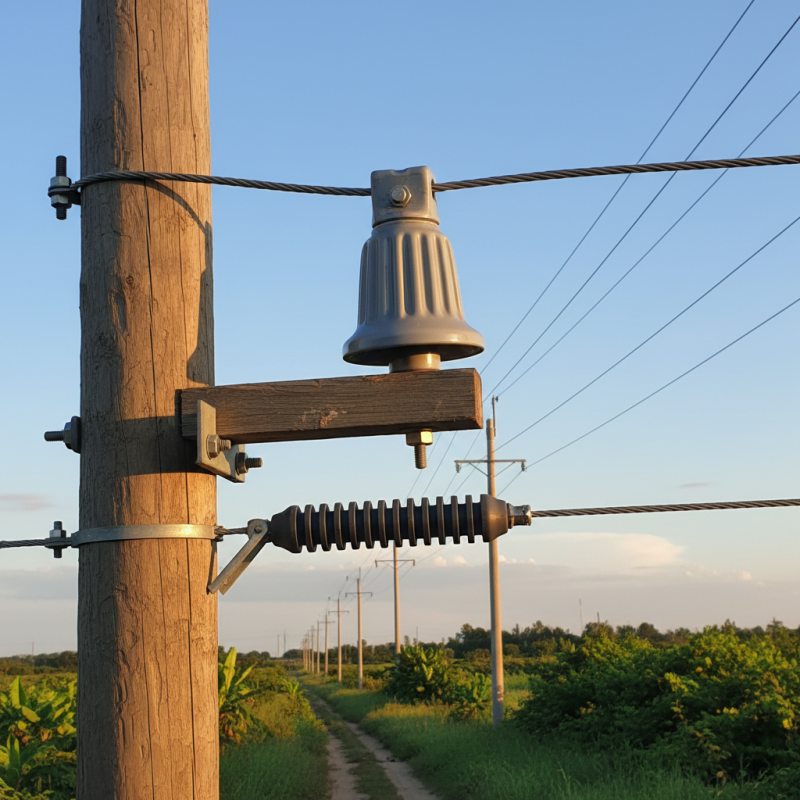
Medium voltage insulators play a crucial role in electrical systems. They provide the necessary support and electrical insulation for equipment operating at voltages from 1 kV to 33 kV. According to industry reports, medium voltage insulators account for nearly 30% of total insulator market share. This reflects their importance in ensuring reliable power transmission and distribution.
The primary purpose of these insulators is to prevent electrical leakage. They minimize the risk of short circuits and equipment damage. This is essential in preventing costly downtime. For instance, a malfunction due to faulty insulation could lead to disruptions affecting thousands of customers. Insulators are designed to withstand harsh environmental conditions and mechanical stress. Many insulators are tested for resistance to pollution and moisture, which can significantly impact their performance.
However, the production and selection of insulators are not without challenges. Improper installation can compromise their effectiveness. Regular inspections are necessary to identify potential issues. An estimated 15% of all electrical failures in substations can be traced back to insulation problems. Addressing these concerns is vital for maintaining system integrity.
Types of Medium Voltage Insulators Used in Electrical Systems
Medium voltage insulators play a crucial role in electrical systems. These devices are essential for ensuring safety and reliability. There are several types of medium voltage insulators, each designed for specific applications.
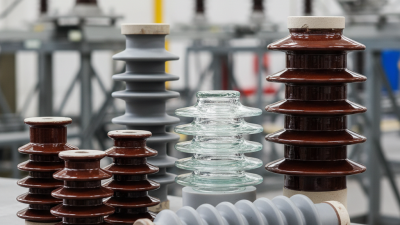
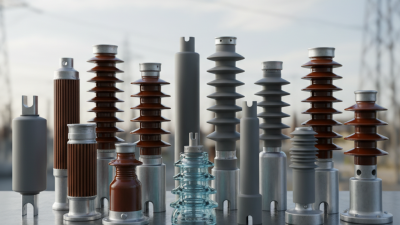
One common type is the porcelain insulator. Made from ceramic materials, they are strong and resistant to environmental factors. These insulators can withstand high voltages and harsh weather. However, they can be heavy and may require careful installation.
Another popular type is the polymer insulator. These are lighter and easier to install, making them a preferred choice in many new installations. Their material allows for flexibility, but they may be less durable in extreme conditions.
Composite insulators also fall under this category. They combine materials like fiberglass with silicone. This combination offers high strength and resistance to contamination. While they have advantages, their performance in extreme temperatures needs further evaluation.
Each type has its pros and cons, and selecting the right insulator requires careful consideration of specific needs and local conditions.
How Medium Voltage Insulators Function in Power Distribution
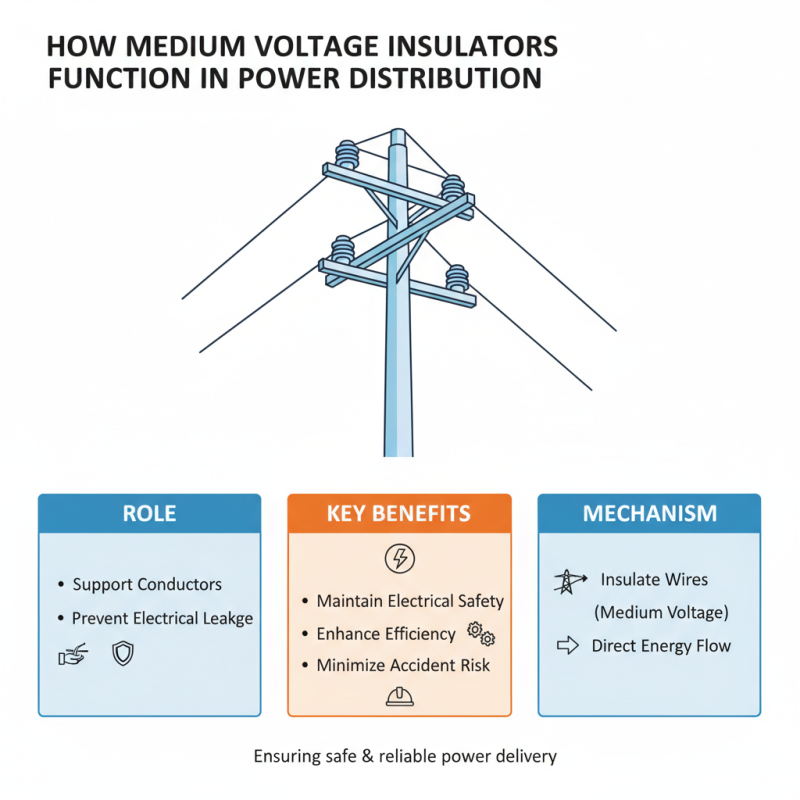
Medium voltage insulators play a crucial role in power distribution systems. They help maintain electrical safety and efficiency. These components support conductors while preventing electrical leakage. This ensures that the energy flows safely, minimizing the risk of accidents.
In operation, medium voltage insulators work by isolating conductive elements from each other and from the ground. Made from materials like glass or ceramic, they withstand substantial voltage levels. They resist heat and humidity, factors that can compromise performance. In some cases, insulators can degrade over time, potentially leading to failures. Regular inspection and maintenance are essential to ensure they function properly.
The effectiveness of these insulators often depends on environmental conditions. Pollution, moisture, and temperature can impact their performance. In high-dust areas, insulators may require frequent cleaning. Engineers must consider these factors when designing power distribution systems. Balancing reliability and cost is a challenge all operators face.
Key Materials and Design Features of Medium Voltage Insulators
Medium voltage insulators play a crucial role in electrical systems. Their materials and design features impact their performance significantly. Most medium voltage insulators are made from materials like porcelain, glass, and composite materials. Porcelain insulators are known for their durability and resistance to environmental factors. Glass insulators are often preferred for their transparency, which allows for inspection without disassembly.
Composite materials are gaining popularity due to their lightweight and resistance to cracking. They often contain polymer elements that outperform traditional materials in terms of electrical insulation properties. A recent industry report estimates that composite insulators can reduce maintenance costs by up to 30%.
Tips: When selecting an insulator, consider the operating environment. Extreme weather conditions can impact performance. Regular inspections can prevent failures in the long run.
Design features also matter. The shape of the insulator affects both its mechanical strength and electrical performance. Many designs include sheds, which help divert water and minimize tracking. However, insufficiently designed insulators may lead to increased risk of failure.
In terms of sustainability, finding eco-friendly materials is essential. Reports indicate that the shift to sustainable practices in insulator manufacturing could reduce carbon emissions by 20%. Finding the right balance between performance and environmental impact is the future of medium voltage insulators.
What is a Medium Voltage Insulator and How Does it Work? - Key Materials and Design Features of Medium Voltage Insulators
| Dimension |
Value |
Material |
Design Feature |
| Voltage Rating |
1 kV - 36 kV |
Ceramic |
High mechanical strength |
| Drop Test Height |
1.5 meters |
Silicone Rubber |
Weather Resistance |
| Flashover Distance |
10 - 20 mm/kV |
Composite Materials |
Lightweight Design |
| Temperature Range |
-40°C to +105°C |
Polymer |
Electrical Insulation |
| Permittivity |
3 - 5 |
Glass |
Corrosion Resistance |
Applications and Importance of Medium Voltage Insulators in Industry
Medium voltage insulators play a critical role in various industries by ensuring safe and reliable electrical distribution. They typically operate in voltage ranges from 1 kV to 36 kV. This range is crucial for power transmission in urban areas and industrial installations. In 2022, the global market for medium voltage insulators was valued at approximately $3.5 billion, with a projected growth rate of 4.5% per annum, according to industry reports. This indicates a robust demand for effective insulation solutions.
Medium voltage insulators are used prominently in electrical grids, substations, and renewable energy systems. These insulators help to maintain system stability while preventing electrical accidents. Their importance cannot be overstated. In fact, a malfunction in insulation can result in outages or equipment damage. Reports from industry experts highlight that roughly 30% of electrical failures are due to insulation breakdown, showcasing the need for high-quality insulators.
Moreover, the materials used for medium voltage insulators often include ceramic, glass, and polymer. These materials offer different benefits, such as resistance to harsh environmental conditions and reduced weight. However, not all materials perform adequately under every condition. This inconsistency can lead to premature failures. Regular testing and maintenance of insulators are necessary to ensure they meet operational standards and safety regulations.