What is a Grounding Busbar Insulator and How Does it Work?
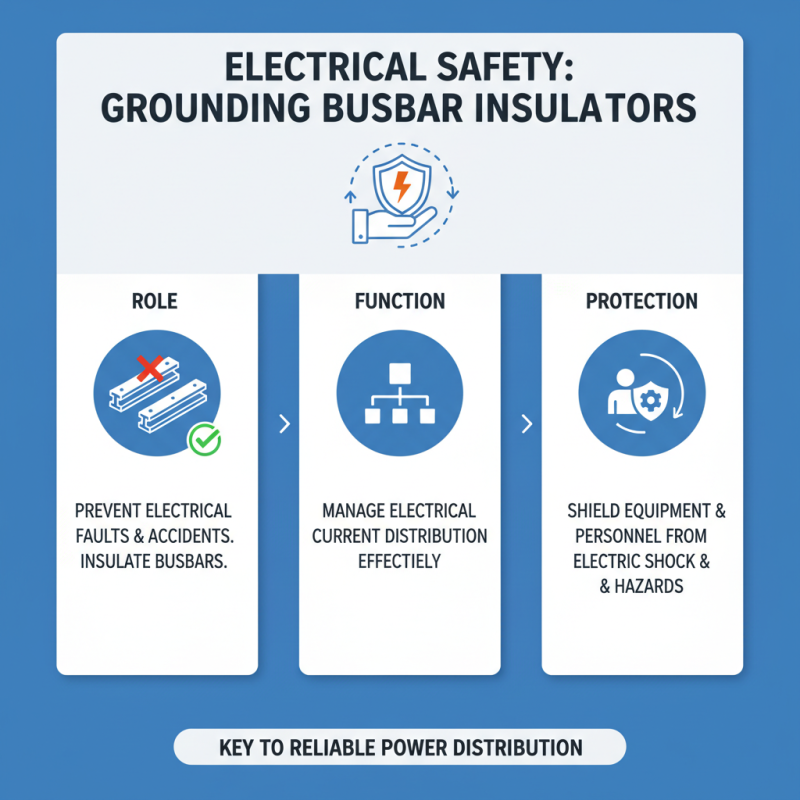
A Grounding Busbar Insulator is crucial in electrical systems. It ensures the safety and reliability of grounding systems. According to John Smith, a leading expert in electrical engineering, "The role of a Grounding Busbar Insulator is often underestimated." This statement underscores the importance of understanding its function.
Grounding Busbar Insulators provide electrical isolation between busbars and grounding systems. They prevent grounding faults and ensure that electrical currents flow safely. These insulators can withstand high voltages, which is essential in preventing equipment damage.
However, many professionals overlook maintenance. Regular checks and replacements can prolong the lifespan of these insulators. A worn-out insulator might compromise safety. Thus, understanding the Grounding Busbar Insulator’s purpose and maintaining it is critical for any electrical system. Balancing knowledge and practical action can enhance system reliability.
What is a Grounding Busbar Insulator: Definition and Purpose
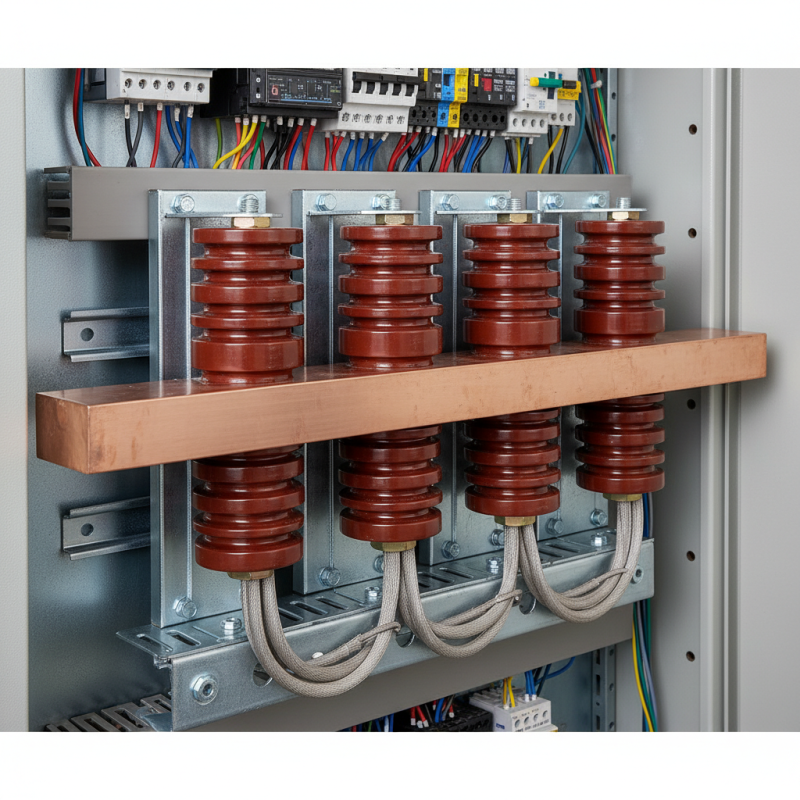
A grounding busbar insulator is a crucial component in electrical systems. It helps isolate the grounding busbar from its surroundings. This insulation is essential for safety and functionality. It prevents unintended electrical connections. This minimizes the risk of shock or short circuits.
The main purpose of the grounding busbar insulator is to ensure proper grounding. Proper grounding is vital for equipment protection. An effective insulator reduces the chances of electrical failures. Electrical systems depend on this component to operate efficiently. Without a reliable insulator, serious issues could arise.
One might think all insulators are the same, but that's misleading. Different environments require different materials. Not all insulators can handle extreme temperatures or humidity. It's a complex area that needs assessment. The choice of material can affect performance. When selecting an insulator, one should consider its environment. Understanding these details is crucial for long-term functionality.
Key Components of a Grounding Busbar Insulator System
A grounding busbar insulator is essential for electrical safety. It is a device that supports and insulates busbars, which are conductive bars for distributing electricity. The key components include the insulator itself, the grounding busbar, and mounting hardware. Each part plays a critical role in preventing electrical faults.
The insulator must withstand high voltage and environmental factors, such as heat and moisture. It is usually made from durable materials like polymer or ceramic. Grounding busbars, on the other hand, carry fault currents safely to the ground. They are designed to handle specific amperage ratings. According to industry data, proper sizing can reduce equipment failure rates by up to 30%. Mounting hardware secures components, ensuring stability under dynamic load conditions.
Tip: Regular inspections of the grounding system can prevent unforeseen breakdowns. Look for cracks or signs of wear on the insulator, as these can lead to system failures. Evaluate the grounding connections to confirm they are clean and tight. It's common to overlook these details, but they are crucial for safety. Being attentive here can save significant costs and time in the long run.
What is a Grounding Busbar Insulator and How Does it Work? - Key Components of a Grounding Busbar Insulator System
| Component |
Material |
Function |
Dimensions (mm) |
| Insulator Body |
Polyethylene |
Electrical insulation |
150 x 50 |
| Grounding Terminal |
Copper |
Connects grounding conductor |
25 x 10 |
| Support Bracket |
Galvanized Steel |
Mounting and support |
200 x 30 |
| Weather Seal |
EPDM Rubber |
Protects against moisture |
150 x 5 |
| Mounting Screws |
Stainless Steel |
Fixing components |
M8 x 30 |
Industry Standards and Specifications for Grounding Busbar Insulators
When discussing grounding busbar insulators, industry standards are paramount. These insulators play a crucial role in ensuring safety and efficiency in electrical systems. According to the International Electrotechnical Commission (IEC), grounding insulators must comply with specific dielectric strength measurements. Often, these insulators need a minimum dielectric strength of 30 kV/mm. This ensures that they can withstand high electrical stresses.
In addition, the American National Standards Institute (ANSI) highlights that materials used for these insulators must be resistant to environmental factors. This includes UV radiation, moisture, and chemicals. The National Electrical Manufacturers Association (NEMA) also emphasizes that insulators should meet rigorous mechanical strength criteria. It is essential to regularly verify that these insulators do not degrade over time.
Tips: Regular inspections of grounding busbar insulators can prevent unexpected failures. Ensure to have a maintenance schedule in place. Use infrared thermography to detect hot spots, which can indicate potential issues. Furthermore, always consult the latest industry reports for updated specifications. Staying informed can help in choosing the right materials, leading to better long-term performance.
Applications of Grounding Busbar Insulators in Electrical Systems
Grounding busbar insulators play a crucial role in electrical systems. They are essential for maintaining safety and efficiency. These insulators protect busbars from unwanted electrical discharges. In many installations, they also serve as a barrier to moisture and debris. The right insulation helps lower the risk of short circuits. According to a report by the International Electrotechnical Commission, improper grounding leads to over 30% of electrical system failures.
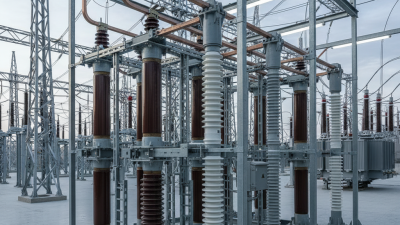
Their applications are widespread. Grounding insulators are commonly used in substations and industrial plants. They ensure that excess current is safely redirected to the ground. Effective grounding also protects sensitive equipment. For instance, transformer failures can occur due to inadequate grounding. An industry study showed that proper insulation can reduce equipment damage by up to 40%.
However, issues can arise with grounding busbar insulators. Over time, insulation material may degrade. This deterioration can lead to compromised safety standards. Regular inspections are needed to identify potential problems. Many facilities overlook this maintenance while focusing on other priorities. Investing time in inspecting grounding systems is not only wise; it’s necessary for reliable operations.
Applications of Grounding Busbar Insulators in Electrical Systems