Why Choose Ground Bar Standoff Insulator for Your Electrical Needs?
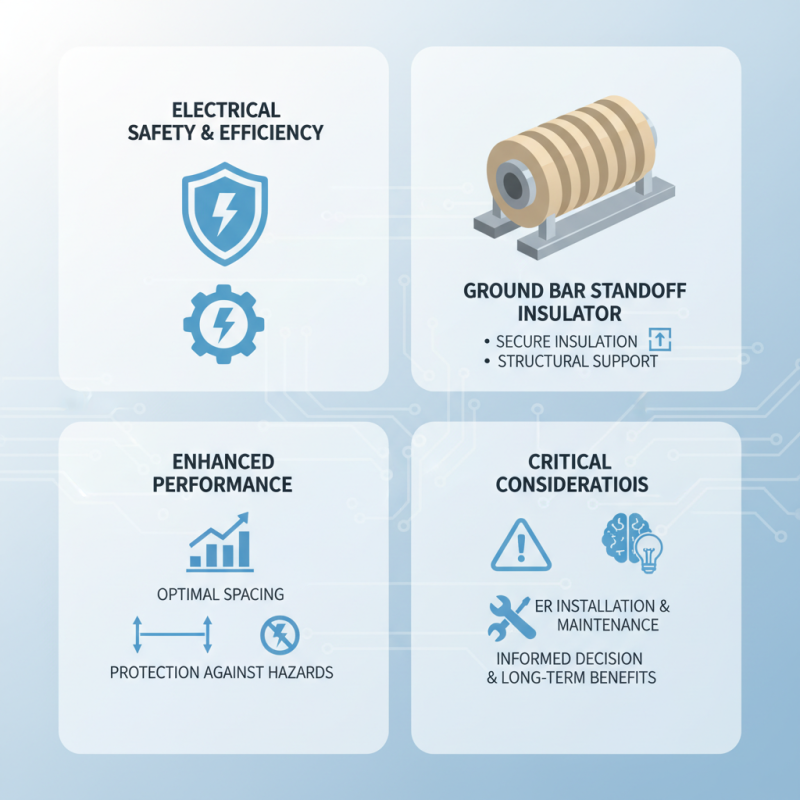
In today's world, electrical safety and efficiency are paramount. Many options exist for isolating components, but one stands out: the Ground Bar Standoff Insulator. This essential device plays a critical role in electrical systems, providing secure insulation and structural support.
The Ground Bar Standoff Insulator is designed to enhance performance in various applications. Its unique design allows for optimal spacing and protection against electrical hazards. This insulator can help reduce risks, but it demands proper installation and maintenance. Users often overlook these details, leading to potential failures.
Choosing the right insulator is not just about performance; it's about safety. An informed decision can have long-term benefits. When considering your electrical needs, the Ground Bar Standoff Insulator should be at the forefront. It may not be the only option, but its advantages are hard to ignore.
Benefits of Ground Bar Standoff Insulators in Electrical Systems
Ground bar standoff insulators play a crucial role in electrical systems.
They support ground bars, ensuring secure and reliable connections.
These insulators prevent accidental contact with live components.
This reduces the risk of electrical shocks and enhances overall safety. Their design allows for effective insulation even in harsh conditions.
One significant benefit is their versatility.
Ground bar standoff insulators can be used in various applications.
They function well in substations, commercial buildings, and remote installations.
The materials used are often resistant to weathering, ensuring longevity.
However, installation can be tricky if not done properly.
Consistent inspections are necessary to maintain their integrity over time.
Moreover, these insulators help in minimizing electromagnetic interference.
By providing proper distance between grounded and live parts, they safeguard sensitive equipment.
The importance of proper grounding in electrical systems cannot be overstated.
Yet, users often overlook the significance of regular upkeep.
Neglect could lead to decreased performance and potential hazards.
Even minor issues in installation can have serious repercussions later on.
Understanding the Functionality of Ground Bar Standoff Insulators
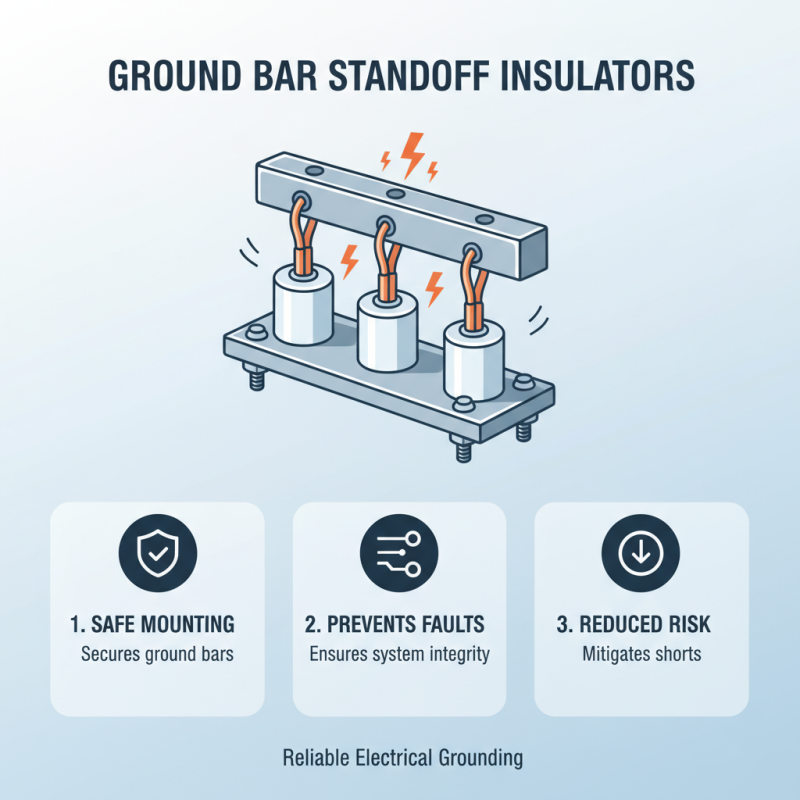
Ground bar standoff insulators play a crucial role in electrical systems. They provide a safe and reliable way to mount ground bars, ensuring proper grounding. This functionality helps prevent electrical faults and maintains system integrity. By using these insulators, the risk of shorts and other electrical problems decreases significantly.
These insulators create space between the ground bar and the mounting surface. This separation is vital for safety and efficiency. A closer look at their design reveals how they manage heat dissipation. In high-load conditions, excess heat can be an issue. An effective standoff insulator helps mitigate this by allowing air circulation.
However, it's worth noting that not all installations consider these factors. Sometimes, users overlook the importance of proper placement and material selection. Incorrect choices can lead to inefficient grounding. Reflecting on these mistakes can lead to improvements in future installations. A careful approach ensures that ground bar standoff insulators fulfill their intended purpose effectively.
Key Material Properties of Ground Bar Standoff Insulators
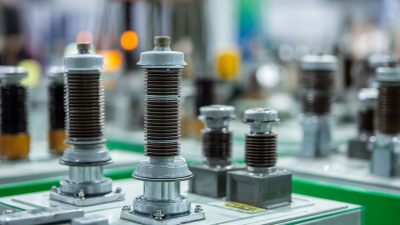
Ground bar standoff insulators play a critical role in electrical systems. Their material properties greatly influence performance and safety. Most standoff insulators use high-strength materials like porcelain or polymer composites. These materials provide excellent electrical insulation and mechanical strength.
According to industry reports, porcelain insulators show high dielectric strength, often exceeding 60 kV/mm. This ensures reliable operation under high voltage conditions. Polymer composites, while lighter, can also withstand severe environmental conditions. However, their long-term aging effects should not be overlooked. Regular inspection is recommended to ensure safety and performance.
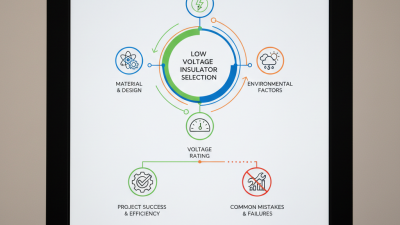
**Tips:** Choose insulators based on specific environmental conditions. Consider temperature fluctuations and moisture levels. Each application may require a different insulating solution. A slight error in selection can lead to equipment failure, posing safety risks. Always consult material specifications before making a decision.
Investing in quality standoff insulators can save costs in the long run. They reduce maintenance frequency and enhance system reliability. Remember, not all insulators are created equal. Be aware of the trade-offs between weight, strength, and environmental resistance.
Industry Standards for Ground Bar Standoff Insulators and Their Impact
Ground bar standoff insulators are essential for electrical systems. They provide support and secure grounding. But their impact goes beyond just functionality; they adhere to industry standards that ensure safety and performance. These standards dictate how insulators must be designed and manufactured. This guarantees reliability in various applications.
When examining industry standards, one should consider material quality and testing procedures. Insulators must withstand high voltage and temperature fluctuations. Compliance with standards can influence device longevity. However, not all products on the market strictly follow these guidelines. This inconsistency can lead to unexpected failures.
Selecting the right standoff insulator requires careful thought. It's crucial to ask about the materials used and testing protocols. Often, manufacturers boast of meeting standards, but verification is necessary. Inspecting production processes ensures accountability. Ignoring these aspects might result in insufficient electrical performance. The importance of rigor in adhering to industry standards cannot be overlooked.
Comparative Analysis: Ground Bar Standoff Insulators vs. Traditional Options
Ground bar standoff insulators are becoming popular due to their versatility. Unlike traditional options, they provide enhanced support and grounding. This makes them ideal for various electrical applications. Their design can accommodate different wire sizes and types. By ensuring a stable connection, they minimize the risk of electrical faults.
When comparing ground bar standoff insulators to traditional options, it's vital to consider durability. Traditional insulators may exhibit wear over time, leading to potential failures. Ground bar standoff insulators generally offer better resistance to environmental factors. This increases their lifespan and reliability. However, some users report challenges during installation with these newer options.
Cost is another factor to weigh. While ground bar standoff insulators may seem more expensive initially, their longevity can lead to savings. You might also find the installation process less straightforward. This unpredictability can make some hesitant to switch. Nonetheless, evaluating these factors is essential for informed decisions.
Comparison of Ground Bar Standoff Insulators vs. Traditional Insulators