Essential Tips for Choosing Medium Voltage Insulators?
Choosing the right Medium Voltage Insulator is crucial for ensuring the reliability of electrical systems. Industry reports indicate that improper insulator selection is a common issue, leading to increased maintenance costs and system failures. The global medium voltage insulator market is expected to grow significantly, projected to reach USD 4 billion by 2026, reflecting rising demand and technological advancements.
Medium Voltage Insulators must withstand harsh environmental conditions. Factors such as temperature fluctuations and pollution can affect performance. In 2022, 30% of electrical outages were attributed to insulator failure. This statistic emphasizes the need for careful selection based on material and design. Continuous advancements in polymer and ceramic insulators provide new options, but they require thorough analysis to ensure compatibility with existing systems.
Many engineers face challenges in balancing cost with quality. While cheaper options may save money initially, they often result in higher long-term expenses due to failure risks. A thorough understanding of the specific application is vital. A well-informed choice contributes to system longevity and efficiency, but it demands expertise and a commitment to quality.
Understanding Medium Voltage Insulators: An Overview
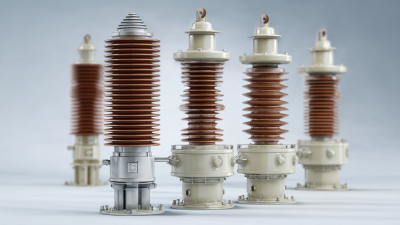
Medium voltage insulators are crucial for ensuring the reliable operation of electrical systems. They typically operate within the range of 1 kV to 35 kV. These insulators provide necessary protection against electrical faults and environmental factors. Recent studies indicate that improper selection can lead to significant failures, costing utilities millions annually.
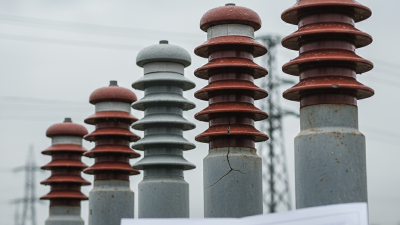
Material choice is vital. Porcelain and composite are the two most common types used. Porcelain insulators offer excellent strength and durability. However, they are heavier and more brittle, potentially leading to installation challenges. Composite insulators, on the other hand, are lighter and resistant to environmental factors. Reports show that composite insulators have a lifespan of 30 years, but they require careful handling to avoid premature aging due to pollution.
Installation practices also play a role and cannot be overlooked. Regular maintenance checks are recommended to ensure optimal performance. Environmental conditions, such as humidity and temperature fluctuations, can impact insulator efficiency. A study indicated that insulators in coastal areas face higher contamination rates, necessitating more frequent inspections. Each decision warrants reflection, as effectiveness can vary significantly based on local conditions and installation practices.
Types of Medium Voltage Insulators and Their Applications
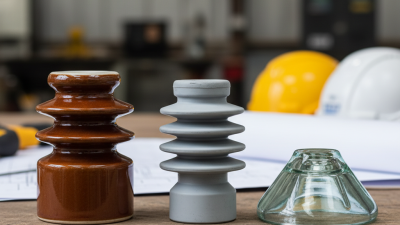
When selecting medium voltage insulators, it is vital to consider various types and their specific applications. Common insulator types include porcelain, glass, and polymer.
Porcelain insulators are durable and resistant to harsh environments. They excel in outdoor applications, where weather conditions are unpredictable.
Glass insulators are known for their transparency to defects. This property makes it easy to spot any issues. Polymer insulators are lightweight and offer flexibility in design.
Each type has advantages and limitations. Porcelain is tough but can shatter under certain impacts. Glass insulators may be more challenging to install due to their weight. Polymer insulators require careful examination for aging or environmental degradation.
The choice of insulator affects system reliability. Some users overlook the importance of maintenance. Regular inspections can prevent failures and enhance performance.
Understanding these characteristics helps in making informed decisions. The wrong choice can lead to increased costs and safety hazards. Evaluate the environmental conditions of your application site. A well-informed choice will ensure optimal performance of your medium voltage systems. Always consider long-term implications while selecting insulators.
Factors to Consider When Selecting Medium Voltage Insulators
When selecting medium voltage insulators, several factors play a crucial role. First, consider the environmental conditions. Insulators must withstand various elements, such as humidity, pollution, and temperature extremes. The choice of material, whether porcelain or composite, can greatly impact performance. Porcelain insulators offer durability, but they can be heavy and brittle. Composite options provide lightweight properties and flexibility but may lack in long-term aging resistance.
Another important aspect is voltage ratings. Verify that the insulator matches the application's voltage requirements. Underestimating voltage can lead to failures, causing safety hazards and potential outages. Conducting thorough testing and adhering to standards ensures reliability. It's vital for engineers to stay updated on advancements in insulator technology, as new materials and designs emerge regularly.
Lastly, consider the installation and maintenance processes. Some insulators may require more frequent inspections or specialized handling. Think about the long-term maintenance costs versus initial purchase prices. It's beneficial to engage with industry experts for insights and recommendations, as their experiences can guide informed decision-making. Being diligent in these considerations can make a significant difference in operational efficiency and safety.
Essential Tips for Choosing Medium Voltage Insulators
Installation and Maintenance Best Practices for Insulators
When handling medium voltage insulators, installation and maintenance play crucial roles in ensuring reliability. Proper installation starts with selecting the right insulator based on environmental conditions. Factors like humidity, temperature, and pollution levels should influence your choice. When installing, ensure that all components fit snugly. Gaps can lead to electrical failures.
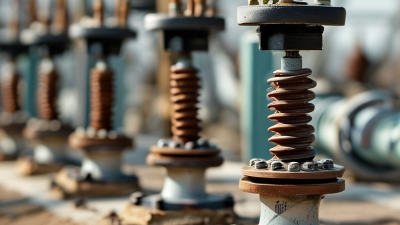
Routine maintenance is equally essential. Regular inspections should focus on signs of wear and tear, such as cracks or discoloration. Cleaning insulators is important. Even a thin layer of dust can reduce their effectiveness. Use non-abrasive methods to avoid damage. Don't wait for a storm to check your equipment; proactive measures prevent costly outages.
Recordkeeping helps maintain accountability. Document all inspections and repairs. This creates a reliable history of your system's condition. Forgetting these steps can lead to unexpected problems. While it might seem tedious, the effort is worth the reliability it brings. Ultimately, the aim is to ensure seamless electricity distribution with minimal interruptions.
Essential Tips for Choosing Medium Voltage Insulators
| Dimension |
Material Type |
Voltage Rating (kV) |
Creepage Distance (mm) |
Installation Method |
Maintenance Frequency (years) |
| Standard |
Porcelain |
36 |
400 |
Suspension |
5 |
| Extended |
Composite |
24 |
300 |
Post-type |
3 |
| Special |
Glass |
15 |
250 |
Bracket-mount |
8 |
Safety Standards and Compliance for Medium Voltage Insulators
When selecting medium voltage insulators, safety standards should be a top priority. Compliance with established safety codes is crucial. These codes are designed to ensure operational safety under various conditions. Insulators must withstand high voltages while protecting both personnel and equipment. Regular testing and certifications are vital to validate safety claims.
Understanding specific safety standards is essential. Different regions have unique regulations. For instance, examining local guidelines can be beneficial. Choose insulators tested for durability and electrical strength. Manufacturers often provide documentation that outlines compliance. This information is essential when evaluating their reliability.
Incorporating feedback from field tests can also enhance safety. Real-world scenarios may uncover unseen weaknesses. Regular inspections can identify deterioration that may not be apparent at first glance. All these factors contribute to a robust safety framework. Make informed decisions based on comprehensive data and personal research for the best outcomes.