What Are Electrical Conductors and Insulators Explained?
In the world of electricity, understanding the role of electrical conductors and insulators is essential. Dr. Emily Turner, a leading expert in electrical engineering, states, "The balance between conductors and insulators shapes our technology." This balance influences everything from home wiring to modern devices.
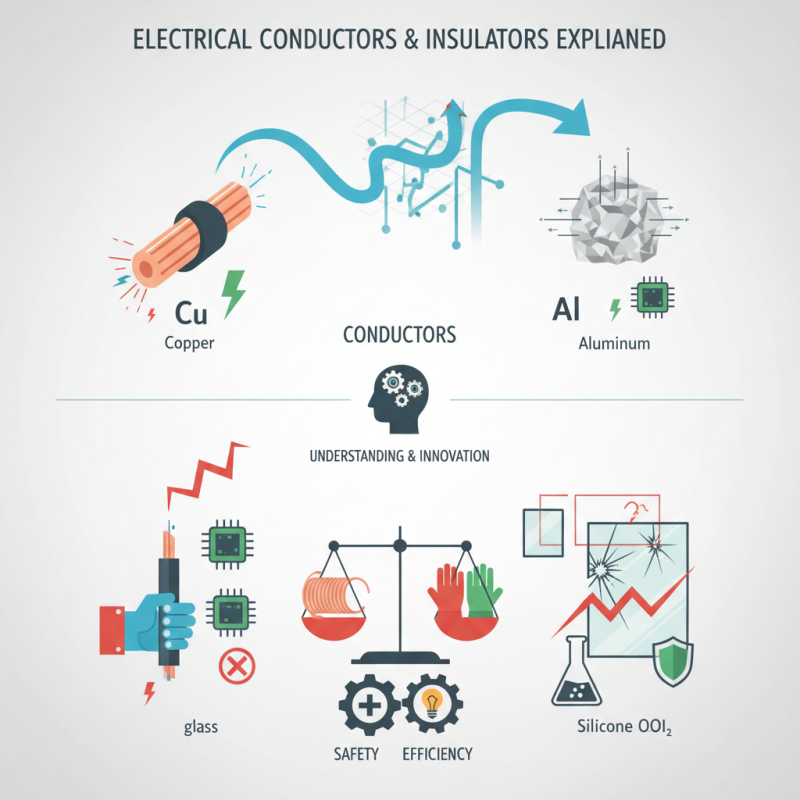
Electrical conductors allow electricity to flow freely, while insulators prevent it. Copper and aluminum are common conductors found in wires and circuits. On the other hand, materials like rubber and glass are used to insulate and protect us from electrical hazards. Yet, we often overlook the importance of these materials in our daily lives.
It's crucial to reflect on how we use electrical conductor insulator pairs. For example, poor insulation can lead to dangerous shocks. Even well-designed systems can falter if materials are improperly paired. Our understanding of these concepts continues to evolve. This field invites ongoing inquiry and innovation, encouraging improvements in safety and efficiency.
Definition of Electrical Conductors and Insulators
Electrical conductors and insulators are essential concepts in understanding electricity. Conductors allow electric current to flow easily. Common materials include copper and aluminum. These metals have free electrons that move quickly, providing a pathway for electricity.
On the other hand, insulators resist electrical flow. They prevent current from passing through easily. Common insulators include rubber and plastic. These materials lack free electrons, making them ideal for protecting against electric shock.
**Tip: Always use insulators to cover exposed wires. This reduces the risk of accidents.** Remember that not all materials fit neatly into these categories. Some can conduct electricity under certain conditions. For instance, water can conduct electricity if impurities are present. It’s essential to consider environmental factors.
**Tip: Regularly check your electrical appliances. Look for any signs of wear or damage.** Doing so can prevent overloads. This awareness can save you from possible hazards. Stay informed about the materials around you and how they interact with electrical currents.
What Are Electrical Conductors and Insulators Explained?
| Type |
Material |
Electrical Conductivity (S/m) |
Common Uses |
| Conductor |
Copper |
5.8 × 10^7 |
Wiring, Electrical contacts |
| Conductor |
Aluminum |
3.5 × 10^7 |
Power lines, Electric motors |
| Insulator |
Rubber |
< 10^-12 |
Electric cables, Insulation material |
| Insulator |
Glass |
< 10^-14 |
High voltage applications, Capacitors |
| Insulator |
Ceramics |
< 10^-12 |
Insulators for power lines, Electrical components |
The Properties of Conductors: Why They Conduct Electricity
Electrical conductors are materials that allow electricity to flow through them easily. They possess unique properties that enable this flow. These materials typically have free electrons, which can move freely. This movement is key to their ability to conduct electricity.
Common examples of conductors include metals like copper and aluminum. Copper is often found in electrical wiring because it has high conductivity. Aluminum is lighter and also effective, though it has slightly lower conductivity. When electricity moves through a conductor, it encounters resistance. This resistance can generate heat, which may lead to energy loss. Sometimes, the heat can be noticeable, sometimes not.
However, not every situation is ideal. Some materials may conduct electricity poorly, potentially causing issues in an electrical circuit. These flaws remind us that even conductors have limits. Not all metals are equal, and factors like temperature can affect conductivity. Reflection on these details leads to a better understanding of how we use these materials in everyday life.
Electrical Conductors vs Insulators
This chart illustrates the electrical conductivity of various materials categorized as conductors and insulators. The values represent relative conductivity measured in siemens per meter (S/m).
The Characteristics of Insulators: How They Resist Electricity
Electrical insulators play a crucial role in our daily lives. They are materials that resist the flow of electricity. This resistance is due to their atomic structure. The electrons in insulators are tightly bound, preventing them from moving freely. Common insulators include rubber, glass, and wood. These materials are essential for safety and functionality in electrical systems.
Insulators protect us from electric shocks. When wiring is insulated, it minimizes the risk of accidental contact. Without proper insulation, appliances could malfunction or cause fires. It's interesting to note that insulation can degrade over time. Factors like heat, moisture, and mechanical stress weaken it. Regular inspections are needed to ensure safety.
While insulators serve a vital purpose, they also have limitations. Not all insulators resist electricity equally. Some materials may allow minor currents under certain conditions. This inconsistency raises questions about their reliability. Understanding how different insulators perform helps in making better choices in electrical design. Balancing cost and effectiveness is a constant challenge in this field.
Common Examples of Conductors and Insulators in Daily Life
Electrical conductors and insulators play vital roles in our daily lives. Conductors, like copper and aluminum, allow electricity to flow easily. You can find them in power lines and electronic devices. Insulators, such as rubber and glass, resist electrical flow. They keep us safe from shocks. Everyday items, like the plastic coating on wires or the rubber on power tools, showcase these materials.
In the kitchen, cookware can be a good example. Metal pots are great conductors. They heat quickly and evenly. However, their handles often use plastic or wood. This keeps them cool enough to touch. Not all items are perfect. Sometimes, old appliances may not insulate well. This is a safety risk to think about.
**Tip:** Always check the condition of cords and plugs. Look for damage, wear, or fraying. Replace them if you notice issues. Your safety is crucial. Keep insulators clean and dry. Moisture can reduce their effectiveness.
Applications of Conductors and Insulators in Electrical Systems
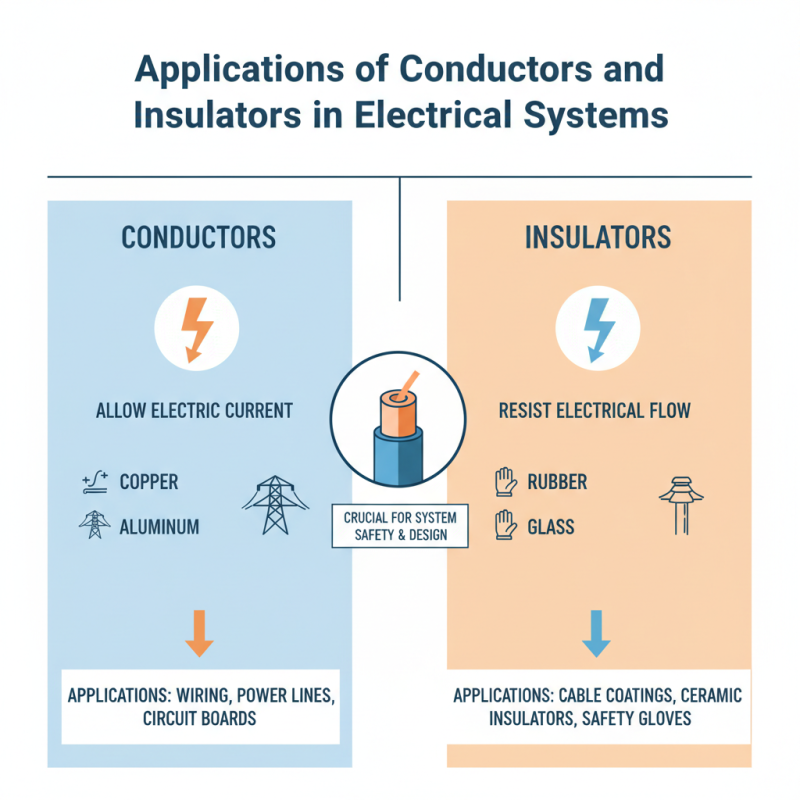
In electrical systems, conductors and insulators serve distinct roles. Conductors, like copper and aluminum, allow electric currents to flow effortlessly. Insulators, such as rubber and glass, resist electrical flow, keeping systems safe. This differentiation is crucial for the design of a variety of applications.
For instance, in homes, outlets use conductors to enable power delivery. Insulators protect against accidental shocks. It’s essential to ensure good connections while avoiding frayed wires. This practice enhances safety and performance.
Tips: Always inspect your electrical connections. Look for wear and tear. Consider using a multimeter to test for conductivity. Remember to use high-quality insulators where needed. Poor insulation can lead to energy loss and hazards. It’s important to prioritize safety in every setup. Your safety is worth the extra effort.