How to Choose the Right Material Insulator for Your Needs?
Choosing the right material insulator is crucial for various applications. This decision can impact efficiency and safety. According to Dr. Jane Smith, a leading expert in materials science, "Selecting a material insulator tailored to your needs is essential for optimal performance."
The range of choices available can be daunting. From thermal to electrical insulators, each type offers unique properties. Understanding these differences can guide you in making the right choice. For instance, effective thermal insulators can significantly reduce energy costs. However, not every option is suitable for every environment.
Moreover, practical applications reveal complexities that require careful consideration. Often, users overlook the lifespan and durability of insulators. The cheapest option isn't always the best choice. Reflecting on these factors will ultimately lead to better decision-making.
Understanding the Basics of Insulator Materials
Choosing the right material for insulation is critical for various applications. Insulators work by resisting electrical current, thermal heat, or sound. Each of these insulation types has its unique properties and uses. Understanding these basics is essential in making an informed choice.
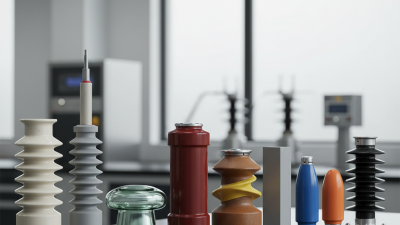
For example, ceramic insulators are known for their high heat resistance and durability. They work well in high-voltage applications. On the other hand, glass insulators are effective against moisture but can be brittle. Some may find it challenging to distinguish between these materials under specific conditions. Thermal insulators, like foam, help in maintaining temperature but are less effective for electrical applications.
When selecting an insulator, consider the environment and intended use. Factors like moisture, temperature, and voltage play a significant role. The wrong choice can lead to failures or inefficiencies. Not every insulator works perfectly for every situation. Testing different materials may be necessary to find the best fit. Adapting your choice based on performance is key. Understanding each material's strengths and weaknesses can guide you towards a more reliable solution.
Key Factors to Consider When Choosing Insulator Materials
Choosing the right insulator material is crucial for various applications. Key factors include thermal resistance, mechanical strength, and environmental impact. According to a report by the International Energy Agency, materials with high thermal resistance can improve energy efficiency by up to 30%. This statistic highlights the importance of selecting insulators that minimize heat transfer for building projects.
When considering mechanical strength, it's vital to evaluate the stress the material will endure. Industry studies indicate that materials must withstand certain loads without deformation. For example, ceramic insulators are known for their high strength but may be brittle. A balance between strength and flexibility is essential for many applications, particularly in construction and manufacturing.
Environmental impacts cannot be overlooked. The production of some insulator materials releases harmful emissions. A recent analysis by the Environmental Protection Agency indicates that using sustainable materials can reduce a project's carbon footprint significantly. This data encourages businesses to explore eco-friendly options, regardless of their initial costs. Careful consideration of these factors can lead to better choices and improved project outcomes.
How to Choose the Right Material Insulator for Your Needs?
| Material Type |
Electrical Resistivity (Ω·m) |
Thermal Conductivity (W/m·K) |
Dielectric Strength (kV/mm) |
Chemical Resistance |
| Ceramic |
109 - 1014 |
1.5 - 3 |
30 - 60 |
Excellent |
| Polyethylene |
1015 - 1017 |
0.4 - 0.5 |
20 - 30 |
Good |
| Glass |
1012 - 1015 |
1 - 1.5 |
15 - 30 |
Excellent |
| Silicone Rubber |
1013 - 1015 |
0.2 - 0.3 |
20 - 25 |
Good |
| Polypropylene |
1017 - 1019 |
0.1 - 0.2 |
15 - 20 |
Fair |
Common Types of Insulating Materials and Their Applications
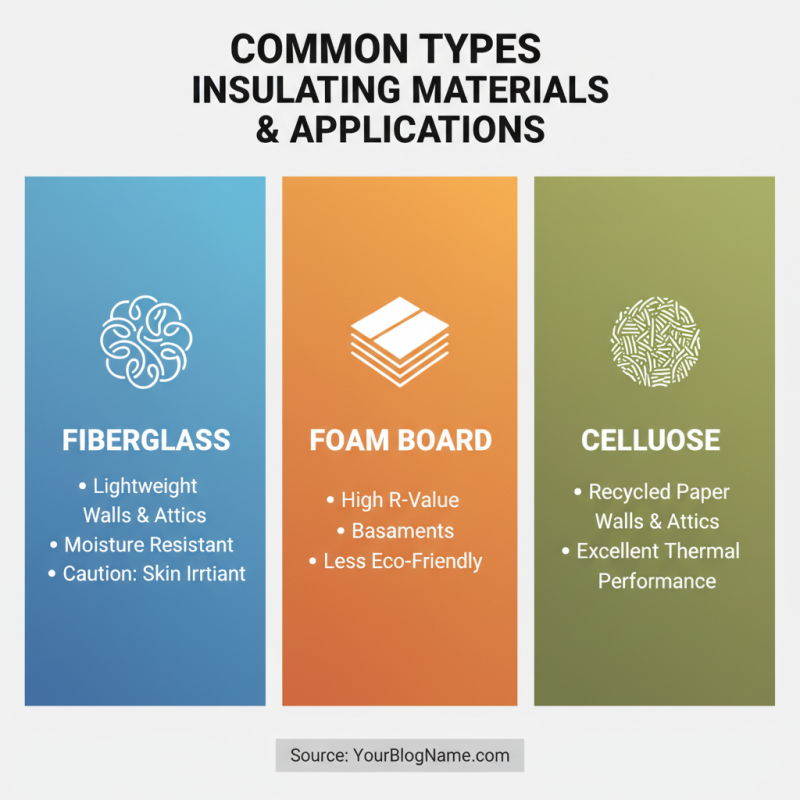
When selecting insulating materials, understanding their types and applications is vital. Common materials include fiberglass, foam board, and cellulose. Fiberglass is lightweight and efficient for walls and attics. It resists moisture but can irritate skin. Foam board offers high R-values, ideal for basements but may be less eco-friendly. Cellulose, made from recycled paper, is suitable for walls and attics, providing great thermal performance.
Tips: Always consider the environment where insulation will be applied. Research local regulations on materials to ensure compliance. Different insulation performs variably depending on the climate. Moisture exposure affects long-term efficacy.
Choosing the right insulator goes beyond R-values. Pay attention to installation methods. Improper installation leads to gaps, reducing effectiveness. Additionally, consider fire resistance and toxicity of materials—some can release harmful particles. Investing time in research can save money and enhance comfort in the long run.
Evaluating Performance Characteristics of Insulators
When selecting an insulator, performance characteristics play a crucial role. Different materials have distinct properties, impacting efficiency and durability. Common insulators include glass, ceramics, and polymers. Each type has strengths and weaknesses that should be carefully evaluated.
Glass insulators resist environmental stress well. They perform reliably under various conditions. However, glass can shatter if subjected to extreme impacts. On the other hand, polymer insulators are lightweight and flexible. Yet, they may degrade faster in harsh UV environments. A detailed understanding of these materials helps in making informed choices.
Temperature and humidity can significantly affect an insulator's performance. For instance, high humidity levels can increase the risk of leakage. Regular inspections and maintenance are necessary to ensure longevity. Reflecting on these factors can lead to better decision-making for your specific needs.
Performance Characteristics of Different Insulator Materials
This bar chart compares the dielectric strength of various insulator materials. Higher dielectric strength indicates better insulation performance, making it crucial to evaluate these characteristics when selecting the right insulator for your needs.
Cost Considerations and Budgeting for Insulator Selection
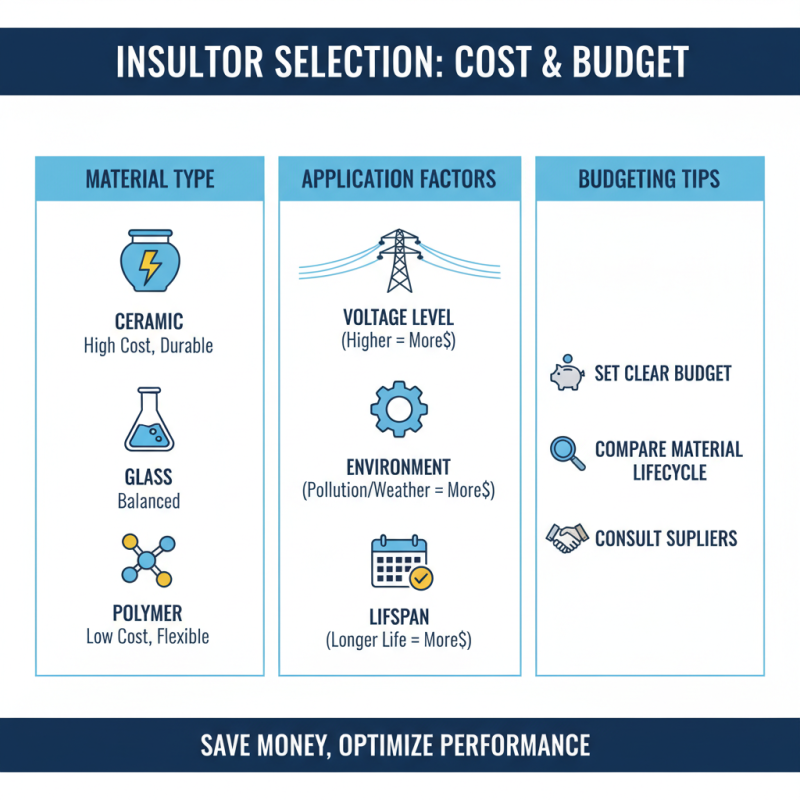
When selecting the right electrical insulator, cost considerations are crucial. The price of insulators varies widely based on materials and application. Material choices like ceramic, glass, or polymer all come with different price tags. For instance, ceramic insulators can be durable but may strain tighter budgets.
Budgeting for insulator selection requires a thorough assessment of both immediate costs and long-term benefits. A cheap option might save money at the start, but could lead to failure and higher replacement costs. Consider factors such as installation expenses. Some materials might require special tools or training for proper installation, which can elevate overall costs.
Reflect on the specific needs of your project. What environment will the insulator face? Understanding local climate impacts on material performance is vital. Sometimes, a higher upfront investment pays off in durability and lifespan. Balancing cost and functionality is key to making a smart selection. Aim for a solution that meets your financial constraints while ensuring safety and effectiveness.