How to Choose the Right Busbar Insulator for Your Needs?
In the world of electrical engineering, the significance of selecting the appropriate Busbar Insulator cannot be overstated. According to a report by Research and Markets, the global demand for busbar insulators is projected to grow at a rate of 4.2% annually. This growth reflects the increasing need for efficient power distribution systems across various industries. A suitable insulator ensures reliability and longevity in electrical applications.
Choosing a Busbar Insulator involves several critical considerations. The material, voltage rating, and environmental conditions are fundamental factors. Insufficient attention to these elements can lead to equipment failures or safety hazards. For instance, silicone insulators thrive in high-voltage environments, while porcelain offers better thermal stability. Understanding these aspects can greatly impact operational efficiency.
Yet, the decision-making process is often overlooked. Engineers may rely on past experiences or anecdotal evidence, instead of consulting recent industry data. This can lead to less-than-optimal choices that affect performance and safety. A thorough review of current research and market trends is essential for making informed decisions about Busbar Insulators.
Understanding the Function of Busbar Insulators in Electrical Systems
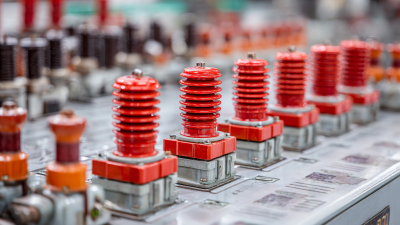
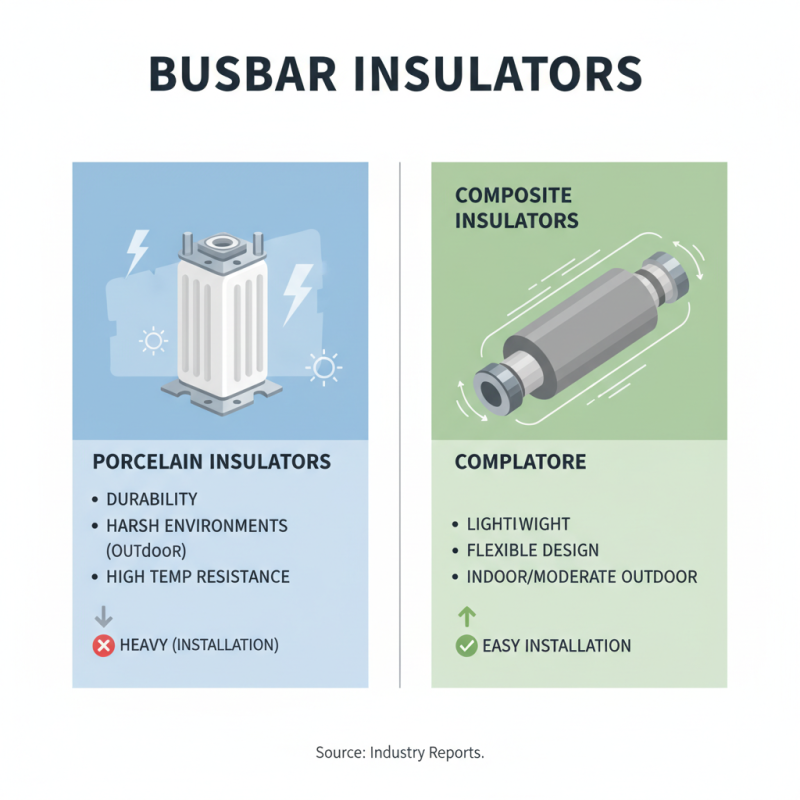
Busbar insulators play a vital role in electrical systems. They support and separate busbars, which distribute electrical power. This separation helps prevent short circuits and ensures safety. A reliable insulator can withstand high voltages and varying environmental conditions. The choice of material affects performance and longevity. Common materials include porcelain and polymer. Porcelain is robust but heavy, whereas polymer is lighter and more flexible.
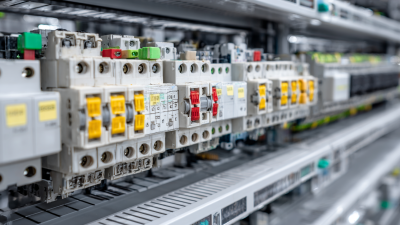
Understanding the function of busbar insulators is essential. They not only provide mechanical support but also protect against electrical discharges. Proper installation is crucial; misplaced insulators can lead to serious issues. Regular inspections are necessary to ensure they remain intact. Damaged insulators can cause failures that interrupt power supply.
Choosing the right insulator requires careful consideration. Factors like voltage rating and environmental exposure matter greatly. Each project has unique demands, and what works for one may not work for another. Some may overlook these details, thinking that any insulator will suffice. Ultimately, the right choice will enhance system reliability and safety.
Types of Busbar Insulators and Their Applications
Busbar insulators come in various types, each suited for specific applications. One common type is the porcelain insulator, known for its durability in harsh environments. According to industry reports, porcelain can withstand extreme temperatures, making it ideal for outdoor applications. However, its weight can pose installation challenges.
Another popular option is the polymer insulator. Lightweight and resistant to pollution, they are perfect for urban settings. Research indicates that they reduce the risk of failure significantly. Yet, their longevity can be questioned in certain environments. In areas with high UV exposure, careful selection is crucial.
Glass insulators are also available. They offer excellent electrical performance and breakdown resistance. Studies show that glass can outperform other materials in terms of insulation strength. However, they are more fragile and can crack under pressure. Each of these options presents unique benefits and drawbacks, highlighting the importance of choosing wisely based on specific needs.
Key Factors to Consider When Selecting Busbar Insulators
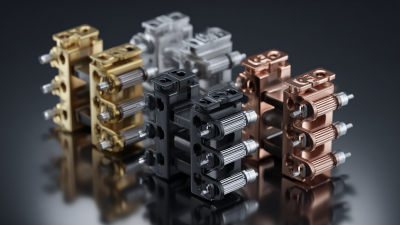
When selecting busbar insulators, several key factors must be considered. The electrical insulation material is critical. Common options include epoxy resin and thermoplastic materials. Each has distinct properties. The choice affects performance and durability. Make sure the material matches your voltage and environmental needs.
Tip: Check the temperature rating of the insulation. High temperatures can degrade materials over time. Insulators should withstand the specific conditions of your application. It’s also essential to consider mechanical strength. Busbar insulators must support electrical conductors securely. Assess the load requirements and installation environment when making a selection.
Environmental resistance is another crucial aspect. Insulators may face moisture, dust, or chemicals. This exposure can impact their lifespan. If the insulator cannot handle the environment, it could fail. Ensure you verify the insulation's performance in local conditions.
Tip: Look for insulators with a proven track record. Conduct research and read user reviews. Sometimes, trial and error is part of the learning curve. Don’t hesitate to explore various options. Finding the right fit might take time and experimentation.
Material Properties and Their Impact on Insulator Performance
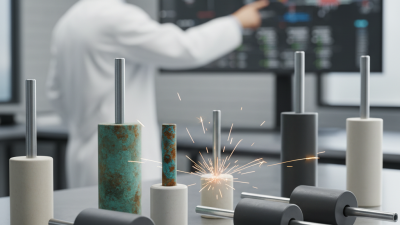
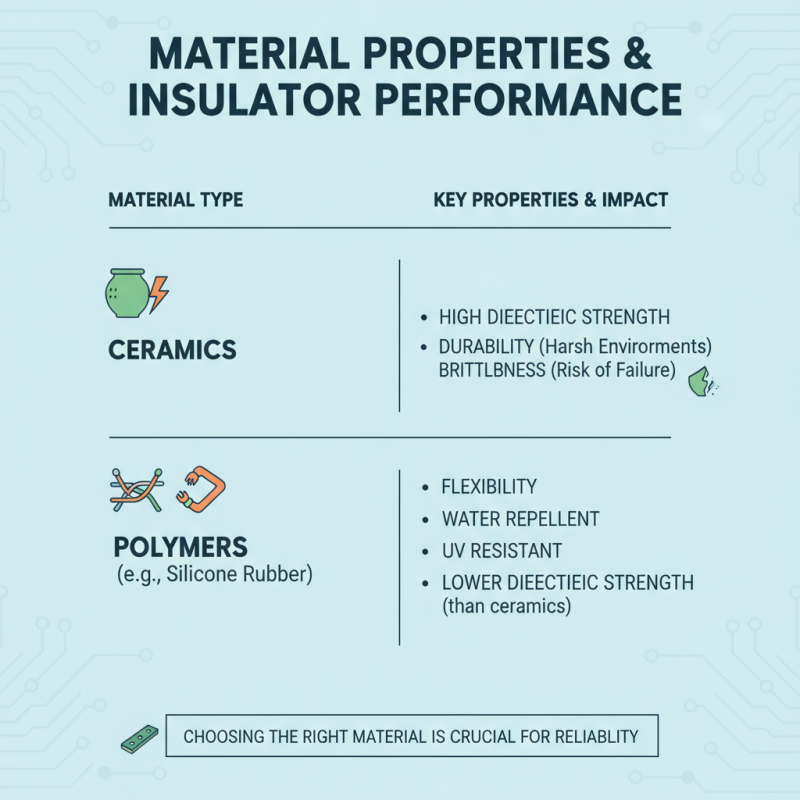
When selecting a busbar insulator, material properties play a crucial role in performance. Various materials exhibit unique characteristics that influence their effectiveness. For instance, ceramics are known for their high dielectric strength and durability. They can withstand harsh environments but may be brittle. This brittleness could lead to unexpected failures.
In contrast, polymers offer flexibility and resilience. They resist moisture but may degrade under UV exposure or high temperatures. Understanding these qualities is essential. It requires careful consideration of the operational environment and load conditions. Choosing the wrong material could result in reduced efficiency or safety risks.
Each type has nuances that merit attention. For example, composites may combine the best features of ceramics and polymers. However, they might come with a higher cost and complex manufacturing processes. It’s vital to weigh these factors against the specific application requirements. Thus, the journey of selecting the right insulator often leads to more questions than answers.
Installation Tips for Optimal Use of Busbar Insulators
When installing busbar insulators, attention to detail matters. Ensure you select the right fit for your specific application. Mismatched insulators can lead to inefficiencies. Each component must withstand the operating environment's demands. High temperatures and humidity levels can affect insulator performance. Always check specifications before proceeding.
During installation, follow precise guidelines to achieve optimal use. Start by ensuring all surfaces are clean and dry. Contaminants can compromise the insulator's effectiveness. Use tools that are suitable for the materials involved. A gentle touch is necessary; over-tightening can lead to damage. Additionally, verify that the insulator aligns perfectly with the busbar. Misalignment can lead to future problems.
Once installed, conduct regular inspections. Look for signs of wear or degradation. These issues can easily go unnoticed. If problems arise, don't hesitate to reassess your installation process. Reflect on whether the chosen insulators were appropriate. Addressing these concerns promptly helps maintain efficiency and safety.
How to Choose the Right Busbar Insulator for Your Needs? - Installation Tips for Optimal Use of Busbar Insulators
| Insulator Type |
Material |
Voltage Rating (kV) |
Temperature Range (°C) |
Installation Method |
Recommended Applications |
| Porcelain Insulator |
Porcelain |
36 kV |
-40 to 120 |
Bolt-on or clamped |
Utilities, High-voltage lines |
| Polymer Insulator |
Polymer Composite |
24 kV |
-30 to 90 |
Snap-on or adhesive |
Substations, Railways |
| Glass Insulator |
Glass |
15 kV |
-20 to 85 |
Screwed or bracketed |
Industry, Distribution networks |
| Silicone Insulator |
Silicone Rubber |
10 kV |
-40 to 150 |
Mounting brackets |
Wind farms, Outdoor equipment |