How to Choose the Right Medium Voltage Insulator for Your Needs?
Choosing the right Medium Voltage Insulator is crucial for electrical systems. These insulators are vital for maintaining safety and efficiency. Their role in preventing electrical faults cannot be overstated.
When looking for a Medium Voltage Insulator, consider your specific application. Different environments demand different materials. For example, insulators exposed to harsh weather need better durability. Financial constraints may also limit options. The selection process can be confusing.
Careful consideration can lead to better choices. However, it’s easy to overlook critical factors. Ask questions, seek advice, and evaluate all possibilities. Remember, a small mistake can lead to costly repairs or safety issues. Make informed decisions for your electrical needs.
Understanding Medium Voltage Insulator Types: Key Variations Explained
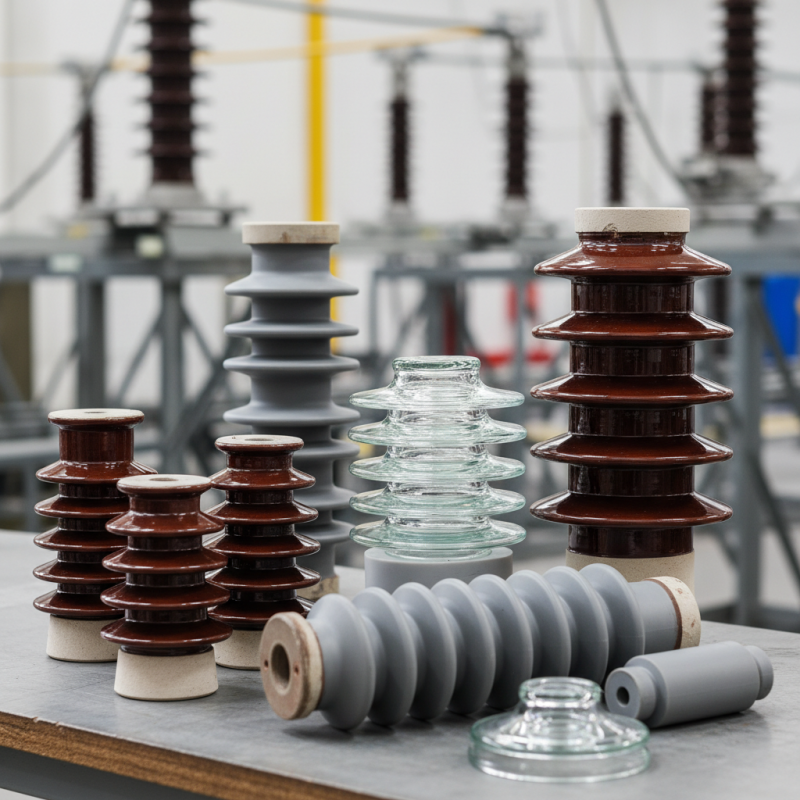
Medium voltage insulators play a crucial role in electrical systems. Understanding their types can simplify your selection process. Key variations include porcelain, glass, and polymer insulators. Each has distinct features and applications that influence their performance.
Porcelain insulators are durable and resistant to harsh weather. They are popular in outdoor applications. However, they can be heavy and prone to breakage. Glass insulators, while strong, may become slippery when wet, increasing the risk of accidents. Their transparency allows for easy inspections, but they can be challenging to install due to their weight.
Polymer insulators have gained traction due to their lightweight nature. They are flexible and immune to corrosion, making them ideal for varied environments. However, some users raise concerns about their long-term reliability. Addressing these issues requires careful material selection and thorough testing. Understanding these nuances will empower you to make informed choices in insulator selection.
Medium Voltage Insulator Types Comparison
Key Factors in Selecting Medium Voltage Insulators for Your Application
Choosing the right medium voltage insulator is crucial for system reliability. Several key factors influence the decision. Understanding these factors can enhance application performance.
Material choice is essential. Insulators can be porcelain, glass, or polymer. Electrical properties vary across these materials. Strength and durability are significant. For instance, porcelain insulators are known for their robustness, while polymer insulators offer lighter weight and ease of installation.
Tip: Evaluate environmental conditions before selecting an insulator. For example, areas with high pollution may require insulators with better creepage distances.
The voltage rating is also critical. Selecting an insulator with proper voltage handling ensures safety and efficiency. According to industry standards, it is advised to exceed the maximum voltage of the system by 20%. This precaution helps in preventing failures.
Tip: Double-check the manufacturer's specifications and guidelines. Ensure they align with norms, like those from IEC or ANSI.
Lastly, consider the installation location. Factors such as temperature, humidity, and exposure to chemicals matter. Neglecting these can lead to premature insulator failure. Regular assessments may be necessary to ensure ongoing performance and reliability. Analysis of past performance data can guide future selection decisions.
Evaluating Electrical and Mechanical Properties of Insulators
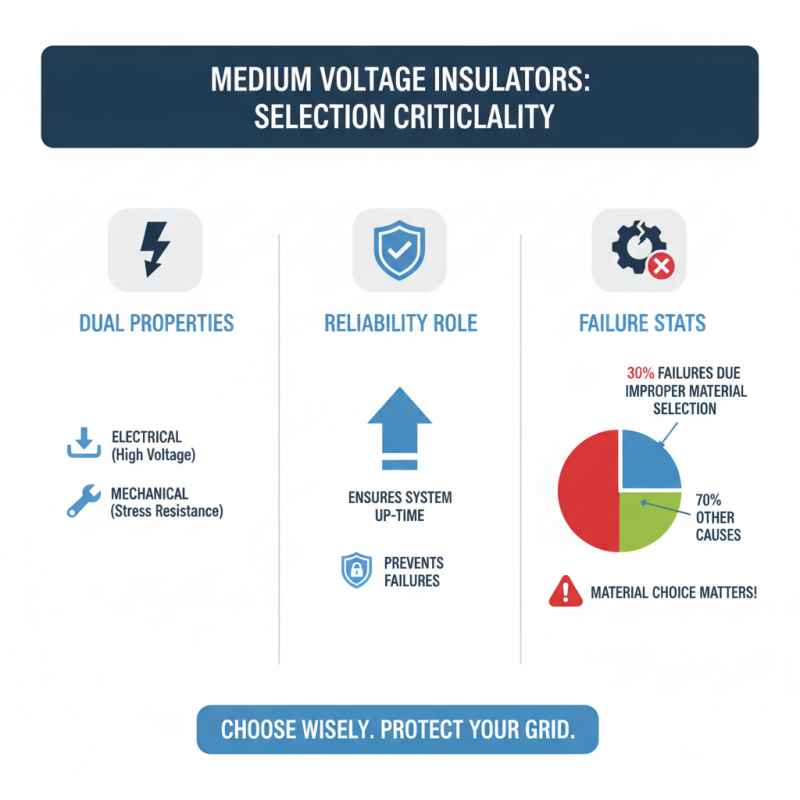
When selecting medium voltage insulators, evaluating electrical and mechanical properties is crucial. Insulators play a vital role in ensuring reliability. They must withstand high voltages and mechanical stresses. Studies show that about 30% of insulator failures occur due to improper selection of materials.
Electrical properties include dielectric strength and resistivity. A report by the Electric Power Research Institute highlights that materials with high dielectric strength can significantly reduce leakage currents. It is common to see dielectric strength values exceeding 50 kV/mm for advanced materials. On the mechanical side, tensile strength and impact resistance are paramount. Insulators must endure environmental forces, like wind or ice loading.
In many cases, choosing the wrong insulator leads to premature failure. Furthermore, while the best insulators provide excellent performance, they can be costlier. Balancing performance and budget is often challenging. An inadequate understanding of the specific application can lead to costly mistakes. It is clear that rigorous testing and evaluations are necessary for optimal selection.
Industry Standards and Ratings for Medium Voltage Insulators
Choosing the right medium voltage insulator involves understanding the industry standards and ratings. One key standard in the industry is the IEC 60273, which outlines the specifications for insulators used in high voltage systems. This standard focuses on mechanical and electrical properties. It specifies how insulators should perform under certain conditions, such as temperature and humidity.
Another key aspect to consider is the ISO 4862 standard. This standard helps in assessing the pollution withstand value of insulators. Different environments expose insulators to varying levels of contamination. Understanding these ratings helps ensure that you select materials appropriate for your specific location. For instance, a coastal area with salty air would require different considerations than a dry, dusty region.
Additionally, examining the electrical field strength of an insulator is crucial. Different designs offer varying performances under electrical stress. Regular testing and monitoring are vital; sometimes initial assessments may not reflect long-term endurance. It’s important to reflect on how often an insulator may need replacing based on its environment and load. Making an informed choice could significantly reduce maintenance costs in the long run.
How to Choose the Right Medium Voltage Insulator for Your Needs?
| Insulator Type |
Voltage Rating (kV) |
Material |
Mechanical Strength (kN) |
Application |
| Porcelain Insulator |
12 |
Porcelain |
20 |
Outdoor Transmission |
| Glass Insulator |
15 |
Glass |
25 |
Switchyards |
| Composite Insulator |
24 |
Polymer |
30 |
Urban Applications |
| Silicone Insulator |
27 |
Silicone Rubber |
35 |
Coastal Areas |
Cost Considerations and Lifecycle Analysis in Insulator Selection
When selecting a medium voltage insulator, cost considerations play a crucial role. The initial investment can vary significantly depending on materials and designs. For example, silicone rubber insulators may cost 20-30% more than traditional ceramic insulators. However, they might offer better performance and longevity. A well-known industry report suggests that choosing a higher quality insulator can reduce maintenance costs by up to 40% over its lifecycle. This is an important factor to ponder.
Lifecycle analysis adds another layer to the decision-making process. It helps evaluate the total cost of ownership. For instance, a conventional ceramic insulator may have a shorter lifespan compared to advanced polymer options. The latter can last up to 30 years with minimal degradation in harsh conditions. However, they come with a higher upfront price. The trade-offs need careful consideration. Are the savings in maintenance worth the initial costs?
Moreover, failure rates can also impact long-term expenses. Studies indicate that poorly chosen insulators can lead to increased outages and repair costs, potentially exceeding $200,000 per event. This situation underlines the importance of a thoughtful selection process. It is essential to balance upfront expenses with long-term reliability to achieve the best overall value.