How to Choose the Right Low Voltage Insulator for Your Project?
When it comes to selecting a Low Voltage Insulator, the right choice is critical for your project’s success. According to industry expert John Smith, “Choosing the right insulator can make or break the system's efficiency.” This is an essential consideration for engineers and project managers.
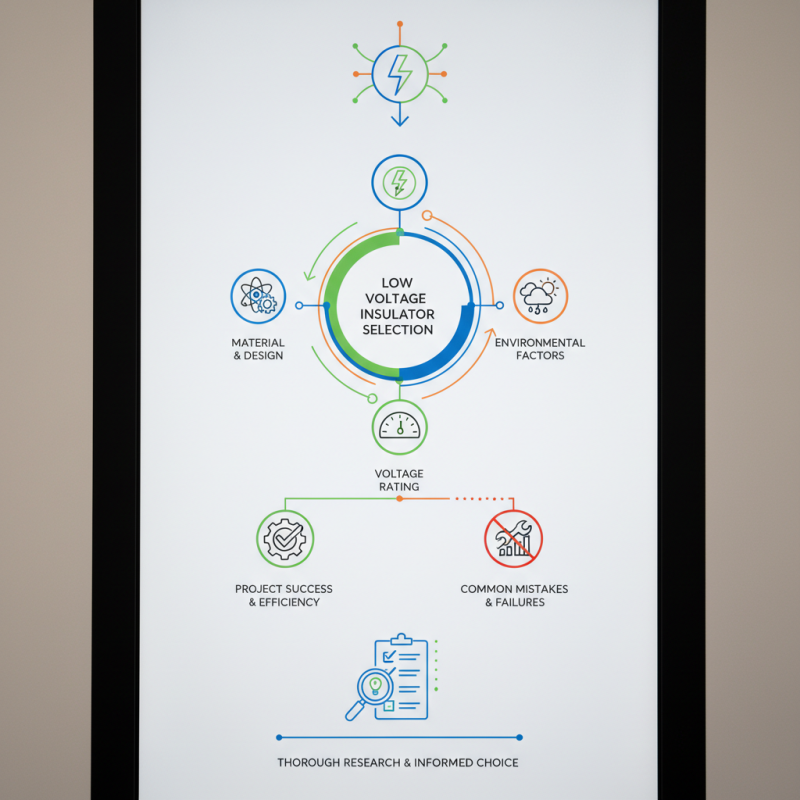
Low Voltage Insulators are fundamental components for ensuring safety and functionality in electrical systems. Their primary role is to prevent unwanted electric current from passing between conductive parts. Nevertheless, not every insulator suits every application. Factors like material, voltage rating, and environmental conditions come into play.
It is also important to be aware of common mistakes. Many people overlook installation guidelines or underestimate the impact of environmental factors. Selecting the correct Low Voltage Insulator requires attention to detail and thorough research. An informed choice can prevent project delays and costly failures.
Understanding Low Voltage Insulators and Their Applications
When selecting low voltage insulators, it's crucial to understand their applications. Low voltage insulators serve to protect electrical components from weather-related damage, moisture, and short circuits. A recent industry report indicated that the demand for low voltage insulating materials is projected to grow by 5.2% annually. This growth is driven by increasing applications in renewable energy systems and urban infrastructure projects.
Insulators come in various materials, including porcelain, glass, and polymer. Each has unique properties suited to different environments. Porcelain offers great thermal stability, while polymer is lighter and more resistant to moisture. Consider your environment carefully. If your project is near coastal areas, using polymer might be wise due to its superior resistance to salt.
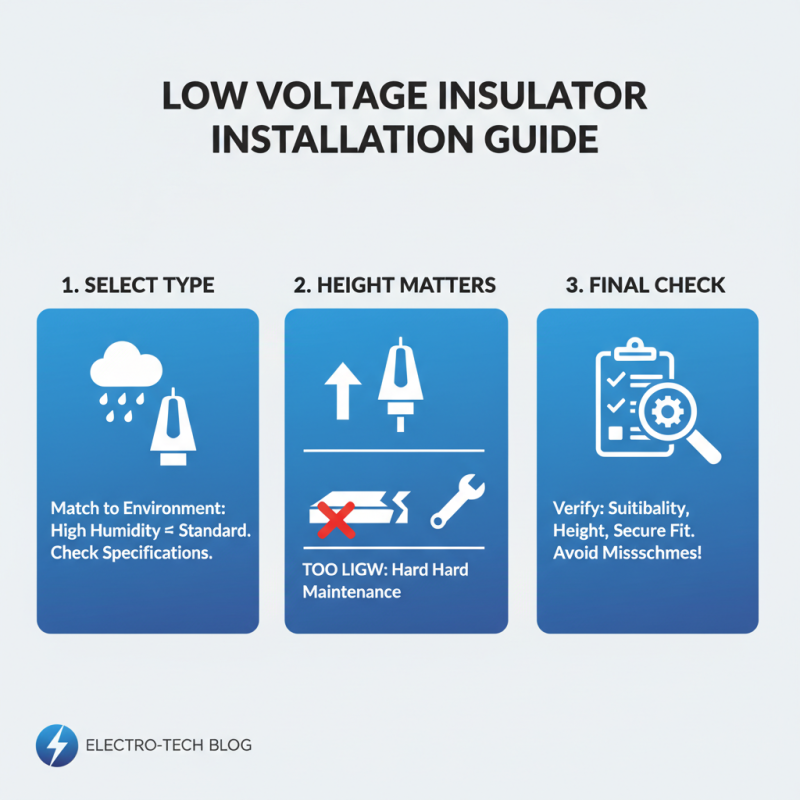
**Tip:** Always evaluate the specific voltage ratings needed for your project. Using the wrong voltage rating can lead to catastrophic failures. Additionally, think about installation conditions. Inspecting the insulators regularly can prevent unexpected issues.
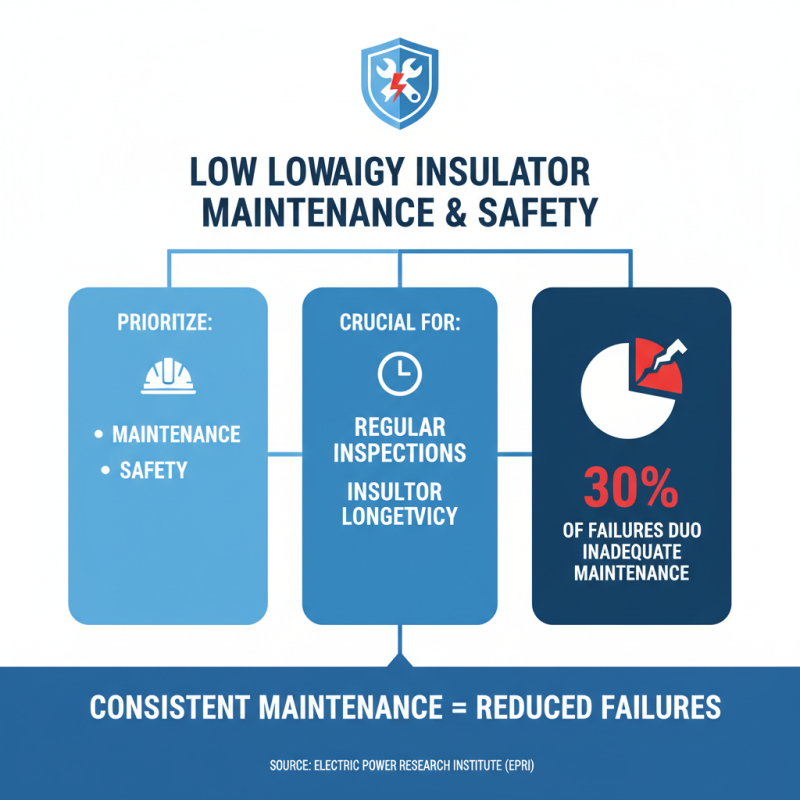
Another aspect to consider is the insulation strength. The electrical strength of an insulator decreases when contaminated. A study showed that up to 30% of insulators fail prematurely due to dirt and grime accumulation. Regular cleaning and inspection can extend their lifespan significantly.
Key Factors to Consider When Selecting Low Voltage Insulators
Choosing the right low voltage insulator is crucial for any project. Several key factors can influence your decision. The first consideration is the material. Common options include porcelain, glass, and polymer. Each material has unique properties that can affect performance.
Another factor is voltage rating. It's vital to select an insulator that matches your system’s voltage requirements. Overspecifying or underspecifying can lead to failures. Always check the specifications carefully. Pay attention to environmental factors too. For outdoor applications, UV resistance and weather behavior matter significantly.
Tips to remember: consider the installation location and climate conditions. Moisture and pollution can impact insulator longevity. A thorough evaluation can save money in the long run.
Lastly, don't overlook size and form. An improper fit can compromise functionality. Review previous projects for insights. Sometimes, experience teaches better than research. Make sure you document choices for future reference. Keep track of what worked and what didn’t. It's essential to learn from both successes and mistakes.
How to Choose the Right Low Voltage Insulator for Your Project? - Key Factors to Consider When Selecting Low Voltage Insulators
| Factor |
Description |
Considerations |
| Material |
The type of material used in the insulator. |
Choose materials like porcelain, glass, or composite based on environmental conditions. |
| Voltage Rating |
The maximum voltage that the insulator can handle safely. |
Ensure the insulator matches or exceeds the project's voltage requirements. |
| Environmental Resistance |
Ability to withstand environmental factors like moisture, UV, and pollution. |
Select insulators rated for the specific climate where they will be used. |
| Mechanical Strength |
The ability to withstand physical forces without breaking. |
Consider the installation height and potential load in windy areas. |
| Cost |
The price of the insulator in relation to the project budget. |
Balance between cost and quality to ensure long-term reliability. |
Types of Low Voltage Insulators and Their Characteristics
Low voltage insulators are crucial components in electrical systems. They come in various types, each with unique characteristics. Understanding these types can help you make informed decisions for your project.
Porcelain insulators are popular for their durability. They withstand harsh weather conditions and resist electrical tracking. However, they can be heavy and require careful handling. In contrast, polymer insulators are lightweight and flexible. They provide excellent performance in contaminated environments but may degrade over time if exposed to UV light.
Glass insulators offer excellent electrical insulation and are often used in overhead lines. They are transparent, which allows for visual inspections. Yet, their fragility can lead to breakage during installation. Each type has its advantages and drawbacks. It’s essential to assess your project’s specific needs before choosing an insulator.
Types of Low Voltage Insulators and Their Characteristics