How to Choose the Right Electrical Standoff Insulator?
Choosing the right Electrical Standoff Insulator can be challenging. As industry expert John Smith states, "Selecting the right insulator can make or break your project." This highlights the importance of careful consideration in the selection process.
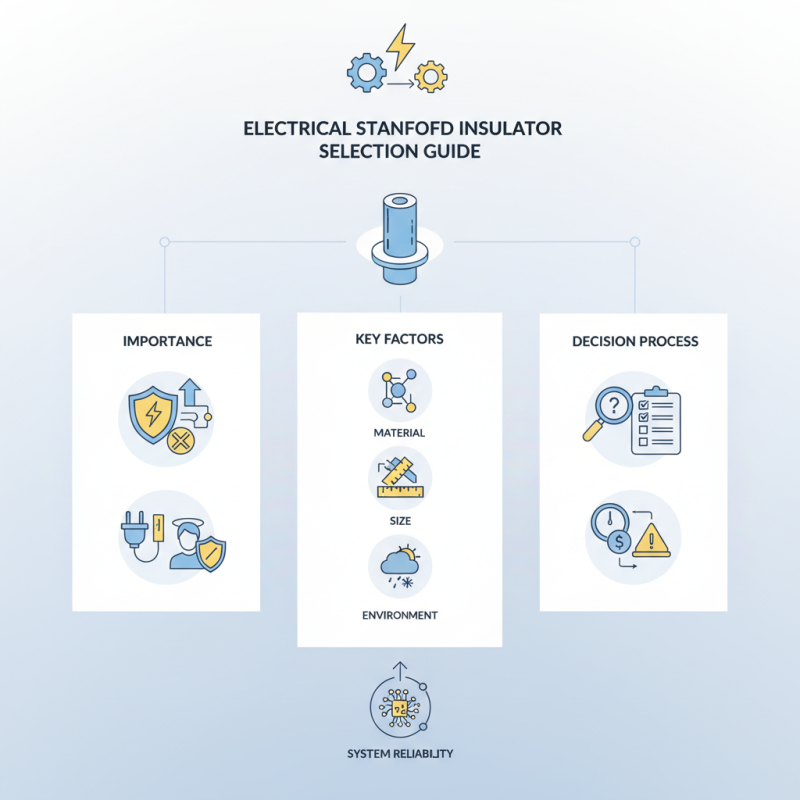
Electrical Standoff Insulators are crucial in various applications, from power systems to telecommunications. They prevent electrical leaks and ensure safety. However, many users overlook key factors like material, size, and environmental conditions. These elements significantly affect performance and durability.
When making a choice, it’s essential to reflect on your specific needs. Don't rush the decision. A wrong choice can lead to costly repairs and safety hazards. The right Electrical Standoff Insulator enhances system reliability. Take your time to evaluate options carefully.
Understanding Electrical Standoff Insulators and Their Applications
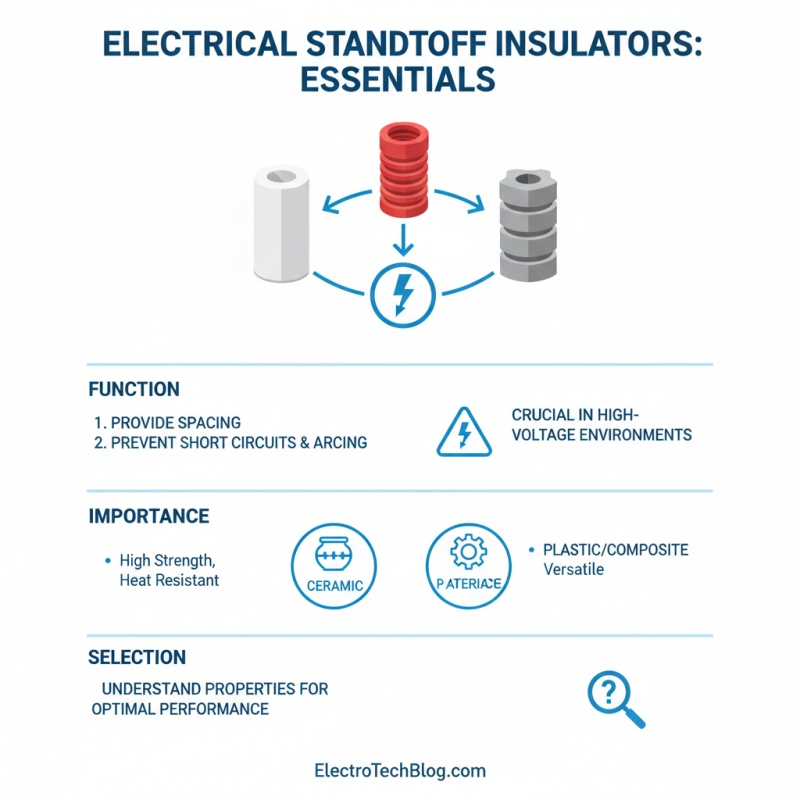
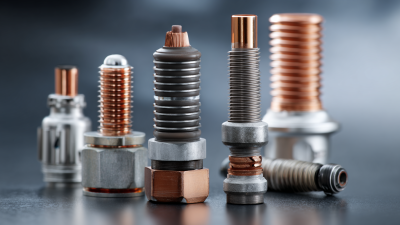
Electrical standoff insulators play a crucial role in many applications. They provide necessary spacing and insulation between electrical components. These insulators prevent short circuits and electrical arcing. They are especially important in high-voltage environments. When selecting an insulator, understanding its properties is vital. Materials such as ceramic or plastic can significantly influence performance.
Choosing the right standoff insulator is not always straightforward. Factors like voltage rating, environmental conditions, and physical size matter. For instance, a ceramic insulator may resist heat better in extreme conditions. In contrast, a plastic insulator offers lightweight benefits. Yet, without careful consideration, mistakes can occur. A poorly chosen insulator can lead to system failures and unexpected downtime.
Application contexts vary widely. Some insulators are used in power transmission, while others serve in consumer electronics. Not all standoff insulators can handle the same stresses. Understanding your specific need is key. Proper installation is equally crucial. Even a slight misalignment can compromise safety. Regular inspections can mitigate risks but require effort. It’s worthwhile to reflect on the choices made.
Key Factors to Consider When Choosing Electrical Standoff Insulators
When choosing electrical standoff insulators, several key factors warrant careful consideration. Start with voltage rating. This rating determines how much electrical stress the insulator can handle. Too low a rating can lead to failures. Next, consider the material. Insulators are often made from ceramics, plastics, or glass. Each material's thermal resistance varies. If your application faces high temperatures, ensure the insulator can withstand such conditions.
The physical dimensions matter as well. Measure the necessary height and diameter accurately. An insulator that is too small may not provide adequate support. Additionally, the environment plays a critical role. Will the insulator face moisture, chemicals, or extreme temperatures? Selecting a suitable insulator means evaluating these conditions.
Pay attention to installation and maintenance needs. Some insulators are easier to install than others. Consider how often the application may require maintenance. Complexity can lead to errors. Also, think about the overall cost versus long-term durability. Choosing the right insulator is not always straightforward. Balancing these factors requires reflection and careful planning.
Material Options for Electrical Standoff Insulators: Pros and Cons
When selecting an electrical standoff insulator, material choice is crucial. Various options exist, each with unique benefits and drawbacks. For instance, ceramic insulators are popular due to their excellent thermal resistance and electrical insulation properties. According to a recent industry report, ceramic materials offer a dielectric strength of up to 20 kV/mm. However, they can be brittle and may break under mechanical stress, which is a significant drawback.
On the other hand, plastics like polycarbonate and nylon are often used in less demanding applications. They are lightweight and flexible, making installation easier. However, their dielectric strength generally ranges from 15 to 25 kV/mm, which may not be sufficient for high-voltage applications. Additionally, these materials can degrade over time when exposed to UV light, leading to potential failures.
While many factors influence material choice, performance expectations and environmental conditions stand out. Designers must balance electrical properties with mechanical durability. This constant trade-off can be frustrating. Sometimes, the ideal insulator can fall short. Proper evaluation and testing are essential before final decisions.
How to Choose the Right Electrical Standoff Insulator?
| Material Type |
Dielectric Strength (kV/mm) |
Operating Temperature Range (°C) |
Chemical Resistance |
Cost ($/unit) |
Pros |
Cons |
| Polyamide (Nylon) |
30 |
-40 to 100 |
Moderate |
0.50 |
Good mechanical strength |
Moisture absorption |
| Polypropylene |
20 |
-20 to 80 |
Good |
0.30 |
Excellent chemical resistance |
Lower dielectric strength |
| PTFE (Teflon) |
60 |
-200 to 260 |
Excellent |
1.50 |
Wide temperature range |
Expensive |
| Ceramics |
100 |
-50 to 1200 |
Very Good |
2.00 |
High thermal stability |
Brittle |
| Epoxy |
25 |
-40 to 120 |
Moderate |
0.80 |
Good adhesion |
Limited thermal range |
Assessing Voltage Ratings and Environmental Conditions for Insulators
When selecting electrical standoff insulators, voltage ratings are crucial. Insulators must withstand the maximum voltage within the system. Reports indicate a common practice is to choose insulators rated for at least 1.5 times the intended voltage. For example, if the application operates at 5 kV, select an insulator with a minimum rating of 7.5 kV. This ensures reliability and enhances safety.
Environmental conditions are equally important. Consider factors like humidity, temperature variations, and pollutants. Insulators exposed to high moisture must have a higher Pollution Degree rating. A study reveals that insulators can suffer performance degradation in harsh conditions. In some cases, a standard insulator rated for 30 kV might fail due to unfavorable environmental factors.
Additionally, installation methods can affect performance longevity. Improper mounting may lead to stress points that reduce life expectancy. Some users overlook this aspect, causing premature replacements. It’s vital to assess not just the technical specifications but also the installation environment carefully. Balancing these elements can enhance system reliability in the long run.
Best Practices for Installation and Maintenance of Electrical Insulators
When installing electrical standoff insulators, proper techniques are critical to ensure safety and performance. Begin by verifying the voltage ratings of the insulators. Insulators typically show a breakdown voltage of around 15-30 kV, depending on material and design. Incorrect use can lead to failures. Analyze environmental conditions, including humidity and temperature. High humidity can lessen the insulators' effectiveness, increasing the risk of arcing.
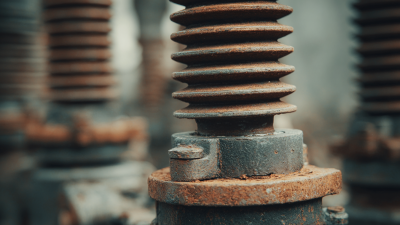
Maintenance of insulators is equally crucial. Regular inspections can prevent major issues. Look for signs of wear, cracks, or surface degradation. According to industry reports, nearly 30% of insulator failures stem from inadequate maintenance. Cleaning the insulators regularly can help remove contaminants that may lead to electrical breakdown. However, overzealous cleaning can damage the surface. Balance is key.
Remember to adhere to installation guidelines from electrical standards, yet the practice varies across sites. Common mistakes include improper spacing and neglecting thermal expansion. These factors can lead to unexpected failures. Use the right tools and techniques for installation, as this can significantly impact long-term reliability. Reflecting on these details can prevent complications in electrical systems.
Performance Comparison of Electrical Standoff Insulators
This chart compares the performance ratings of various types of electrical standoff insulators. The ratings reflect their efficacy based on durability, environmental resistance, and insulation properties. Porcelain and Glass insulators still maintain high performance levels, while Polymer and Composite have also proven effective.