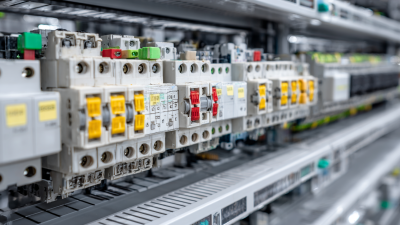
2026 How to Choose the Right Busbar Insulator for Your Needs?
Selecting the right busbar insulator is crucial for electrical safety and performance. In 2022, the global busbar insulator market was valued at $1.8 billion, with an expected growth of 5.2% annually, according to TechNavio. This growth reflects the increasing demand for reliable electrical systems across industries.
Experts like Dr. Emily Tan highlight the significance of proper insulation. "A quality busbar insulator can prevent electrical failures and enhance system longevity," she asserts. This emphasizes choosing the appropriate insulator for your specific needs.
Variations in materials and designs can impact performance. For instance, porcelain and polymer insulators have distinct advantages in different environments. Understanding these nuances can help prevent costly mistakes. Evaluating certifications and testing results is essential. This ensures that the chosen busbar insulator meets industry standards, addressing both safety and efficiency concerns.
Understanding Busbar Insulators: Types and Their Applications
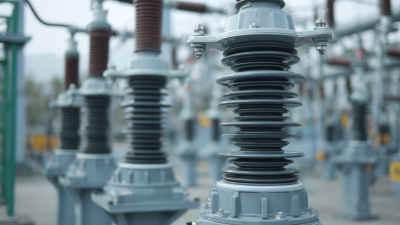
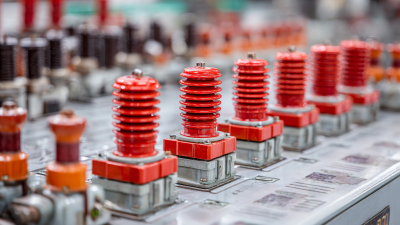
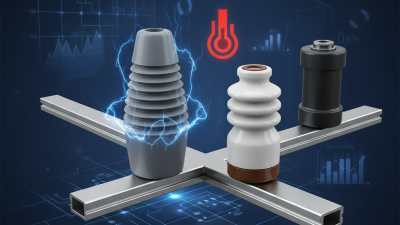
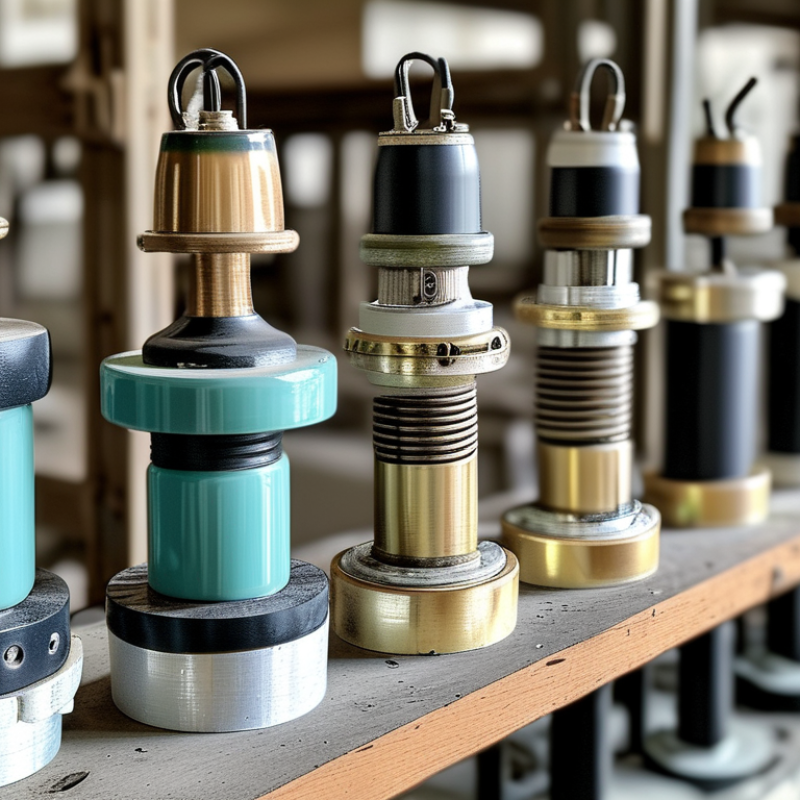
Busbar insulators play a crucial role in electrical systems. They are essential for ensuring safety and efficiency in high-voltage applications. Understanding the different types of busbar insulators is vital to making informed decisions. Common types include porcelain, glass, and polymer insulators. Each material has unique properties that suit specific environments.
Porcelain insulators are widely used due to their durability and high electrical resistance. They can withstand high temperatures and harsh weather conditions. According to industry reports, porcelain insulators can last up to 30 years in service. However, their weight can be a drawback in certain installations. Glass insulators offer excellent transparency, making defects easier to spot. Yet, their fragility can lead to higher maintenance costs.
Polymer insulators have gained popularity recently. They are lightweight and resistant to pollution. Reports indicate they can reduce installation time by 20%. However, they may not perform well under extreme UV exposure. Understanding these characteristics helps in choosing the right insulator. A careful assessment of environmental conditions and specific application needs is necessary. This approach can lead to more efficient and reliable electrical systems.
Types of Busbar Insulators and Their Applications
Key Factors in Selecting Busbar Insulators: Voltage and Temperature Ratings
When selecting busbar insulators, voltage and temperature ratings are critical factors. Insulators must withstand the voltage levels present in a specific application. High voltage can cause insulation breakdown, leading to failures. It’s essential to know the maximum voltage that the insulator will encounter to choose correctly.
Temperature ratings also play a strategic role. Insulators operate in various environments, from cold to high heat. If the temperature exceeds the insulator’s rating, it could degrade. This degradation risks not only the insulator but also overall system reliability. Evaluating environmental conditions helps ensure proper performance.
Sometimes, manufacturers provide general ratings without specifics. This can lead to confusion when selecting the right product. Users should ask for detailed specifications. This information ensures that the chosen insulator meets all necessary conditions. It’s vital to reflect on past choices and their outcomes, as this can guide future selections.
Material Choices for Busbar Insulators: Comparing Ceramics and Composites
When selecting busbar insulators, materials play a crucial role. Two popular options are ceramics and composites. Each material offers unique benefits and considerations that can affect performance.
Ceramics are known for their excellent electrical properties and thermal stability. They can withstand high temperatures and have strong dielectric strength. However, they can be brittle and prone to cracking under mechanical stress.
In contrast, composite materials are more versatile. They often combine different substrates to enhance strength and durability. These materials can be custom-designed to meet specific needs. They are generally lighter and less prone to breakage compared to ceramics. Yet, this versatility sometimes comes with trade-offs in electrical performance. Depending on your application, choosing between ceramics and composites requires a careful evaluation.
It's important to consider factors such as electrical insulation, mechanical load, and environmental conditions. Both materials have their strengths and weaknesses. Understanding these nuances can lead to better decision-making. Testing samples in real-world conditions can provide valuable insights. This hands-on approach ensures you select the most suitable insulator for your application.
Industry Standards and Compliance for Busbar Insulator Selection
When selecting a busbar insulator, industry standards play a crucial role. Compliance with these standards ensures safety and efficiency in electrical systems. The Institute of Electrical and Electronics Engineers (IEEE) and the International Electrotechnical Commission (IEC) provide guidelines on insulator performance. For instance, the IEEE 48 standard focuses on testing methods for electrical insulating materials. Ensuring that your insulator meets these criteria is essential for reliable operation.
The material of the insulator significantly affects its performance. According to the Electric Power Research Institute (EPRI), silicone and polymer-based insulators offer superior resistance to environmental degradation. Their performance under extreme temperatures and environmental conditions is critical. Many studies reveal that traditional materials may not withstand rising temperatures as effectively. This has led to a rethinking of insulator choices in the industry.
Additionally, understanding load requirements is vital. Load fluctuations can impact the insulator's lifespan and overall performance. It’s important to consult with professionals who can assess specific site conditions. Ignoring local factors can lead to premature failures. Therefore, choosing the right busbar insulator involves careful consideration of standards, materials, and load dynamics.
Performance Testing: Ensuring Reliability of Busbar Insulators in Operations
When selecting busbar insulators, performance testing is crucial. These insulators must withstand various environmental conditions. The International Electrotechnical Commission (IEC) suggests that insulators should endure extreme temperatures and humidity levels. Performance under these conditions ensures reliability during operations.
According to a report by the Electrical Power Research Institute, nearly 30% of electrical failures in substations are linked to inadequate insulator performance. This data highlights the importance of robust testing criteria. Testing scenarios should include thermal cycling and electrical stress. Insulators must perform without degradation over their intended lifespan.
Insulator materials play a pivotal role in performance. Some materials may excel in certain applications but fail in others. For example, ceramic insulators are known for high dielectric strength. However, they can be more brittle. Conversely, polymer insulators offer flexibility but may exhibit UV degradation over time. Understanding these characteristics encourages informed decisions based on specific operational needs.
2026 How to Choose the Right Busbar Insulator for Your Needs? - Performance Testing: Ensuring Reliability of Busbar Insulators in Operations
| Parameter |
Value |
Unit |
Comments |
| Dielectric Strength |
30 |
kV/mm |
Minimum required for high voltage systems |
| Thermal Resistance |
150 |
°C |
Temperature tolerance for optimal operation |
| Mechanical Strength |
500 |
N |
Ensures durability under stress |
| Water Absorption |
0.1 |
% |
Low absorption for performance reliability |
| UV Resistance |
Pass |
- |
Suitable for outdoor applications |
| Weight |
2.5 |
kg |
Lightweight for easy installation |