Why Choose Material Insulators for Optimal Energy Efficiency?
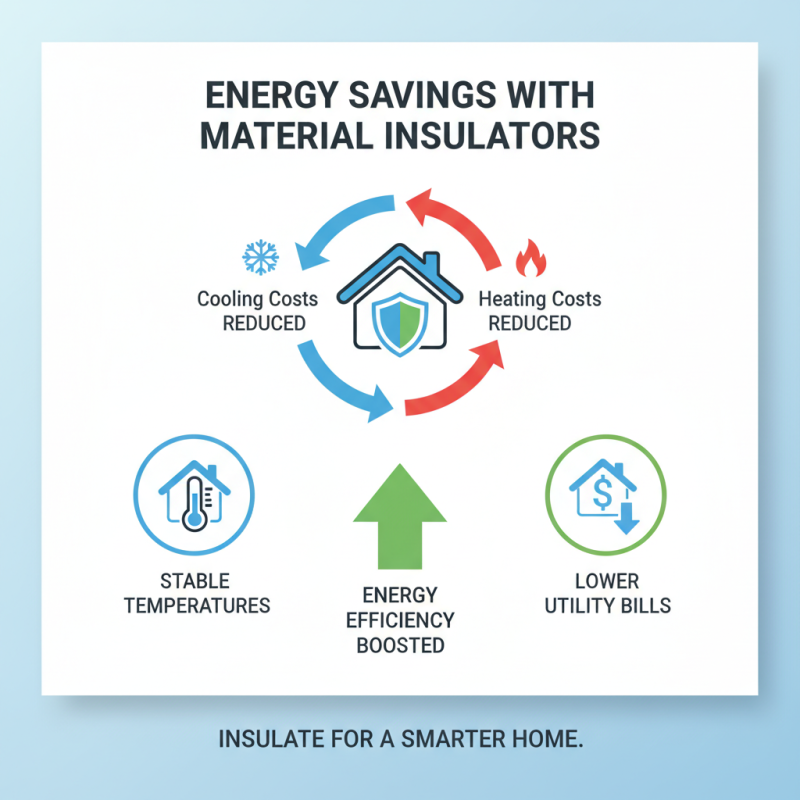
In today's world, energy efficiency is more important than ever. A key factor in achieving it is the use of Material Insulators. These insulators play a vital role in reducing energy loss in buildings and homes. By minimizing heat transfer, they keep indoor environments comfortable while lowering energy bills.
Material Insulators come in various forms, each with unique properties. Some are designed for high thermal resistance, while others excel in sound absorption. These differences can be crucial when selecting the right insulator for specific applications. Choosing wisely can lead to significant energy savings and improved comfort.
However, many people overlook the importance of these materials. They often choose insulators based on cost alone. This can lead to dissatisfaction over time. Reflecting on the right type of Material Insulator can enhance long-term energy efficiency. Investing in quality insulators pays off, both economically and environmentally.
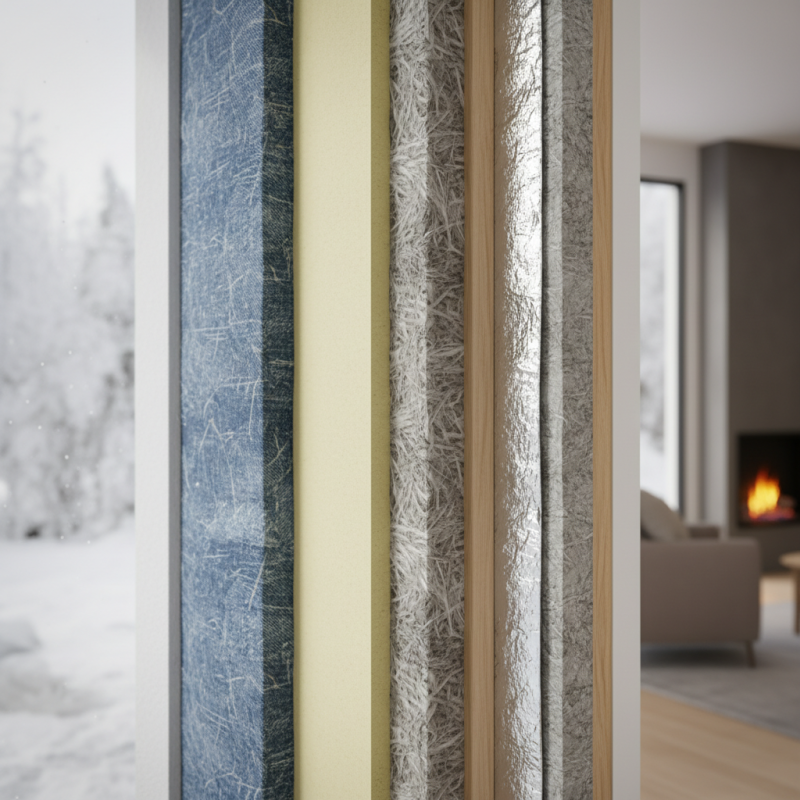
Understanding Material Insulators and Their Role in Energy Efficiency
Material insulators are vital for enhancing energy efficiency in buildings. They function by reducing heat transfer, keeping spaces comfortable while lowering energy costs. Various materials are employed, from fiberglass to foam, each with unique properties and applications. The choice of insulation material can significantly impact overall energy waste.
When selecting insulation, details matter. Thickness, density, and R-value can influence performance. Unfortunately, many overlook proper installation, compromising effectiveness. Gaps and voids allow air leaks, which defeat the purpose of insulation entirely. Common mistakes, like using the wrong type in specific areas, lead to wasted resources and less efficiency.
It's critical to assess the environment as well. Different climates require tailored insulation strategies. A hot region may benefit from reflective barriers, while colder areas need a thicker layer to trap warmth. Understanding your energy model drives better choices. Observing and adjusting insulation practices can lead to greater energy conservation.
Energy Efficiency Benefits of Different Insulator Materials
This bar chart demonstrates the R-value, or thermal resistance, of various insulation materials commonly used for energy efficiency. Higher R-values indicate better insulating properties, contributing to optimal energy efficiency in residential and commercial buildings.
Types of Material Insulators: A Comparative Analysis of Options
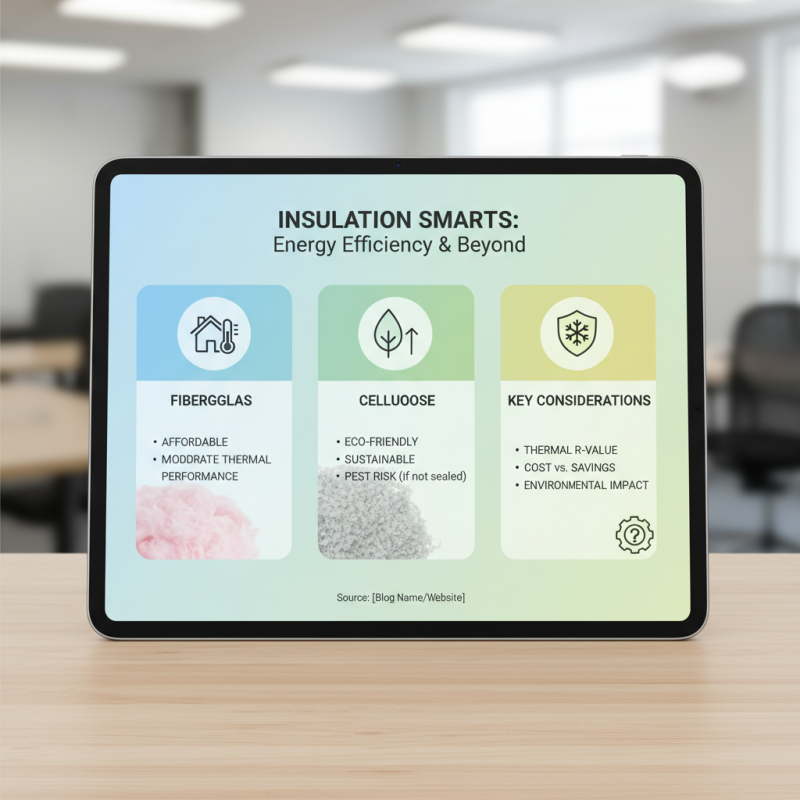
When considering energy efficiency, material insulators play a crucial role. Different types of insulation materials have unique properties that affect their effectiveness. For instance, fiberglass is popular for its affordability but may not provide the best thermal performance. On the other hand, cellulose insulation is eco-friendly. It could be more beneficial in terms of sustainability but may attract pests if not installed correctly.
Another option is spray foam insulation, known for its superior air sealing properties. It expands to fill gaps, preventing leaks. However, it can be tricky to apply and requires professional installation. It's important to weigh ease of installation against potential performance benefits.
**Tips:** Always check the R-value of the insulation you're considering. The higher the R-value, the better the insulating properties. Also, think about the local climate. What works well in one area may not be optimal in another. Don't rush the decision! Take the time to research and consider the unique features of each insulation type.
Installation and Maintenance Considerations for Material Insulators
Material insulators are crucial for achieving optimal energy efficiency in buildings. When considering their installation, the correct choice of materials is vital. Reports show that proper insulation can reduce energy consumption by up to 30%. This means significant savings on utility bills. However, installation quality greatly impacts performance. Poorly installed insulation can lead to energy losses of 10-20%.
Maintenance is another essential factor. It involves regular checks for damages or wear. Neglected insulation can cause serious issues, including moisture buildup and mold growth. Industry studies indicate that homes without regular maintenance can experience a 50% decrease in insulation effectiveness over time. Homeowners should schedule inspections, especially in extreme weather conditions.
Using the right type of insulation is not just about initial costs. Think about long-term benefits versus short-term savings. Some insulators may have higher upfront prices but offer exceptional durability and efficiency. We often overlook such details, focusing only on immediate expenses. Balancing cost with performance can lead to better results over time.
Future Trends in Material Insulation Technology and Energy Efficiency
The future of material insulation technology is rapidly evolving, focusing on energy efficiency. Innovations are emerging in smart materials and eco-friendly options. These trends aim to reduce energy consumption in homes and industries. The integration of sensors into insulation materials can monitor temperature and energy usage. This helps optimize performance and reduce waste.
Tips: Consider using reflective materials that enhance thermal performance. They can reduce heating and cooling costs significantly.
New materials like aerogels are gaining popularity. They provide exceptional thermal resistance while being lightweight. However, their cost can be a barrier for some. It’s important to weigh the benefits against budget constraints.
Tips: Explore advancements in recycled insulation options. They often offer competitive performance without environmental impact.
Reflecting on these advancements challenges our perceptions of insulation. Commercial products may not always be the best fit for every situation. Tailoring insulation choices based on specific needs can lead to better efficiency. Keeping up with trends ensures that energy efficiency strategies remain effective.
Why Choose Material Insulators for Optimal Energy Efficiency? - Future Trends in Material Insulation Technology and Energy Efficiency
| Insulation Material |
R-Value (m²·K/W) |
Thermal Conductivity (W/m·K) |
Environmental Impact |
Cost Efficiency (per m²) |
| Fiberglass |
2.9 - 3.7 |
0.04 - 0.05 |
Low |
$0.50 - $1.00 |
| Foam Board |
3.5 - 6.5 |
0.022 - 0.033 |
Moderate |
$1.00 - $1.50 |
| Spray Foam |
6.0 - 7.0 |
0.020 - 0.036 |
Low |
$2.00 - $3.00 |
| Cellulose |
3.1 - 3.7 |
0.038 - 0.042 |
Low |
$0.75 - $1.20 |
| Mineral Wool |
3.0 - 3.5 |
0.035 - 0.045 |
Moderate |
$0.65 - $1.10 |