Why Choose Low Voltage Standoff Insulators for Your Projects?
In the world of electrical projects, safety and efficiency are paramount. Low Voltage Standoff Insulators play a crucial role in achieving these objectives. According to a report by the Electrical Insulation Research Institute, the global market for standoff insulators is projected to grow by 5% annually, highlighting their rising importance in the industry.
These insulators are designed to provide reliable support and insulation for low voltage applications. They help mitigate the risks of electrical faults, which can lead to costly downtime and safety hazards. A study by the Institute of Electrical and Electronics Engineers (IEEE) revealed that improper insulation contributes to 30% of electrical failures. This statistic underscores the need for high-quality products like Low Voltage Standoff Insulators.
Choosing the right insulators is not just about compliance; it's about enhancing project longevity and safety. While many options are available, Low Voltage Standoff Insulators stand out for their durability and effectiveness. Some users may overlook their benefits, often opting for cheaper alternatives. However, this choice can lead to higher maintenance costs and increased risks. Investing in these insulators is a step toward a more secure electrical infrastructure.
Benefits of Low Voltage Standoff Insulators in Electrical Applications
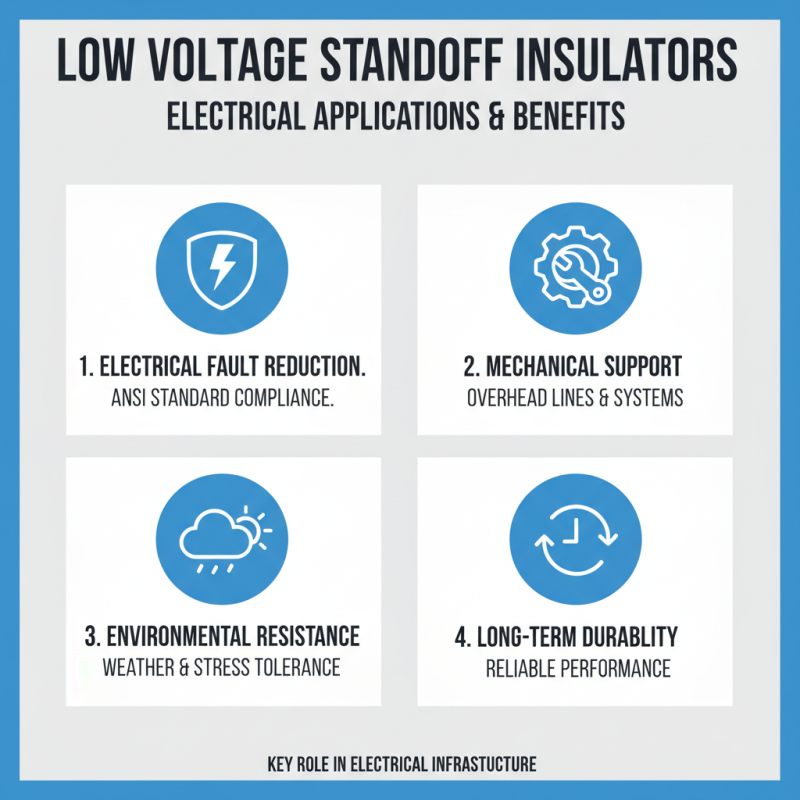
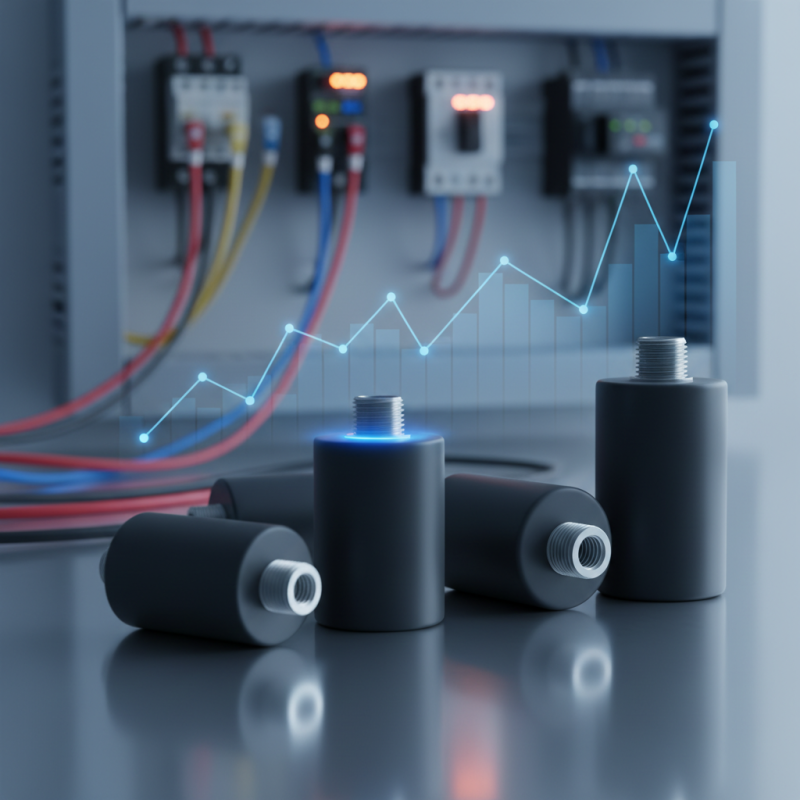
Low voltage standoff insulators play a crucial role in electrical applications. They provide insulation and mechanical support for overhead power lines and other systems. The American National Standards Institute (ANSI) states that proper insulation is key to reducing electrical faults. Low voltage insulators can withstand environmental stress. They offer long-term durability, which is essential in various conditions.
One significant advantage is their efficiency in reducing electrical losses. A report from the Department of Energy highlights that using the right insulators can decrease energy waste by up to 5%. This is especially important as industries strive for better energy management. Additionally, low voltage standoff insulators minimize the risk of electrical arcing. They ensure a safer operation in low voltage environments.
Moreover, low voltage standoff insulators simplify installation. They can be mounted in tight spaces, making them versatile for different projects. Many engineers prefer these solutions due to their lightweight nature. However, overlooking the importance of quality insulators can lead to long-term issues. Choosing the right material is essential for reliability and performance.
Comparative Analysis of Standoff Insulator Materials and Insulation Strength
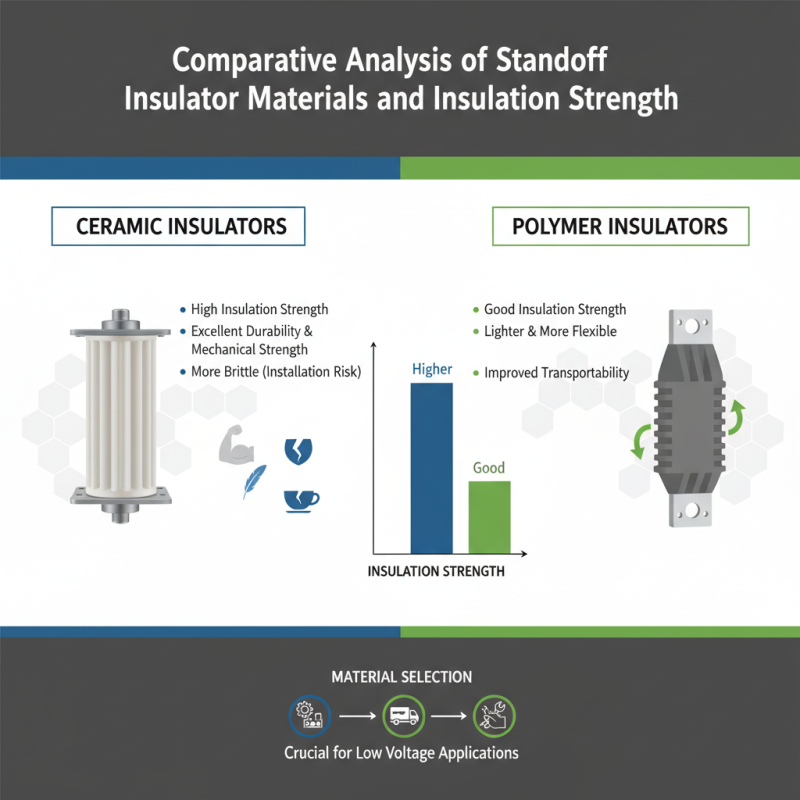
When choosing low voltage standoff insulators, material selection plays a crucial role in determining insulation strength. Various materials offer different resistances to electrical breakdown. For example, ceramic insulators provide excellent durability and mechanical strength, while polymer options are often lighter and more flexible. However, ceramics can be more brittle, which presents challenges during installation and transport.
A comparative analysis shows that each material has its advantages and drawbacks. While some polymers might excel in flexibility, they may lack the high-temperature performance of ceramics. It is also worth considering the environmental factors at play. Polymer insulators can degrade faster under UV exposure, while ceramics withstand harsh conditions longer. Thus, project requirements dictate the choice of materials.
Balancing insulation strength against other project criteria is essential. Cost efficiency often influences the selection process. It may be tempting to choose a less expensive option, but this could lead to performance issues. Assessing the long-term reliability of different insulators helps prevent future complications. In some projects, the initial savings can result in costly repairs.
Industry Standards and Specifications for Low Voltage Insulators
When selecting low voltage standoff insulators for your projects, understanding industry standards is crucial. These insulators must comply with specifications set by organizations like ASTM and IEC. For instance, ASTM D149 outlines dielectric strength and insulation properties, which are vital for safety and performance. The insulating materials often require testing to withstand at least 1kV/mm of electric stress. Such standards ensure reliability in demanding environments.
Tip: Always verify the material’s thermal stability and moisture resistance. These factors impact the long-term performance of your insulators. As per industry reports, around 30% of insulation failures relate to moisture ingress. This statistic highlights the need for robust material selection.
Installation practices also vary by application type. Adhering to the guidelines in IEC 61109 can minimize risks. It’s clear that not all suppliers may meet these requirements consistently. Thus, careful evaluation and sourcing become essential, as non-compliant products could lead to project delays. Remember, a thorough understanding of these standards fosters better decision-making.
Cost-Effectiveness of Using Low Voltage Standoff Insulators in Projects
When it comes to project planning, cost-effectiveness is essential. Low voltage standoff insulators offer a practical solution that combines affordability with efficiency. These insulators help prevent electrical contact, ensuring safety in installations. By using these components, you can reduce long-term maintenance costs and improve the overall reliability of electrical systems.
Tip: Assess the voltage requirements of your project to ensure proper insulation ratings. This will help you avoid unexpected expenses later on.
While the initial investment might seem low, low voltage standoff insulators minimize potential hazards significantly. A safer environment can also reduce insurance costs. Proper installation and usage yield long-lasting benefits that often outweigh the initial savings.
Tip: Consult with professionals who can guide you on material selection and installation processes. Their expertise can help avoid mistakes that might lead to increased costs down the line.
Cost-Effectiveness of Using Low Voltage Standoff Insulators
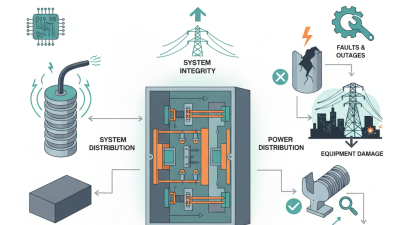
Impact of Low Voltage Standoff Insulators on System Reliability and Safety
Low voltage standoff insulators play a vital role in ensuring the reliability and safety of electrical systems. These insulators create necessary gaps between energized components and other structures, minimizing the risk of undesired electrical faults. Their design allows for stable performance under various environmental conditions, contributing to long-term durability. Neglecting to utilize appropriate standoff insulators can lead to increased risks, such as system failures or electrical hazards.
The impact on system reliability cannot be overstated. Proper insulation supports consistent performance and helps prevent costly downtime. Furthermore, low voltage standoff insulators reduce maintenance needs by limiting wear and tear on electrical components. It's essential to consider the specific requirements of each project. Sometimes, engineers may overlook the importance of insulators, but this can have significant consequences, including safety issues. Investing in quality materials and proper installation is crucial for effective system operation.
Safety is always a priority in any electrical setup. Low voltage standoff insulators help mitigate shock hazards. They keep wires secure and reduce the risk of accidental contact. However, choosing the right type requires knowledge and experience. Engineers must evaluate environmental factors, load requirements, and mounting options. Taking shortcuts can lead to failures that compromise safety and reliability. Every detail matters, and thorough planning is essential.
Why Choose Low Voltage Standoff Insulators for Your Projects?
| Parameter |
Value |
Impact on Reliability |
Impact on Safety |
| Dielectric Strength |
> 30 kV/mm |
Enhances insulation performance |
Reduces risk of electrical arcing |
| Thermal Conductivity |
0.2 W/m·K |
Lowers heat buildup in components |
Improves overall system stability |
| Mechanical Strength |
> 10 MPa |
Prevents structural failures |
Minimizes injury risk during maintenance |
| Corrosion Resistance |
High |
Increases service life of components |
Prevents toxic material release |
| Weight |
Lightweight |
Eases installation and maintenance |
Reduces risk of dropping or mishandling |