Best Standoff Insulator for Global Sourcing Needs?
When it comes to sourcing the best standoff insulator, decision-makers face various challenges. Standoff insulators play a crucial role in electrical applications, especially in high-voltage environments. They provide necessary support and insulation, ensuring safety and efficiency in operations.
Selecting the right standoff insulator requires expertise and a thorough understanding of specific requirements. Many manufacturers offer different materials and designs. This variety can lead to confusion. It's essential to evaluate each option carefully, considering factors like durability and environmental conditions.
A reliable standoff insulator ensures optimal performance while minimizing risks. However, inherent issues can arise from poor selection. Mistakes in sourcing can lead to failures, which may disrupt operations. Knowing how to navigate these challenges is vital for success. With informed choices, organizations can fulfill their global sourcing needs effectively.
Best Standoff Insulator for Global Sourcing Needs
When considering standoff insulators for global sourcing, several factors demand attention. The material quality is crucial. Insulators must withstand varying environmental conditions. Whether for high voltage lines or electronic circuits, durability plays a significant role. This ensures safety and longevity in applications.
Another important aspect is compatibility. Different settings require specific designs. Engineers need to assess how each insulator performs under diverse conditions. Sourcing from various regions can offer distinct benefits. However, maintaining quality across borders can pose challenges.
Market demand fluctuates, influencing supply chains. Emerging markets are often filled with both opportunities and pitfalls. Manufacturers must prioritize ethical sourcing and compliance in their processes. This consideration reflects on the overall integrity of the supply chain. Balancing these elements can lead to more effective solutions in the global market.
Understanding the Importance of Standoff Insulators in Electrical Systems
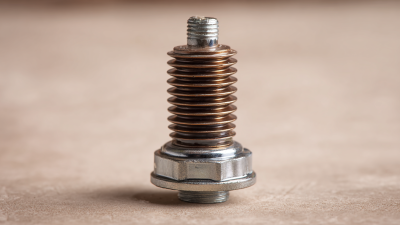
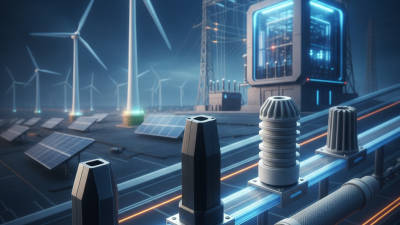
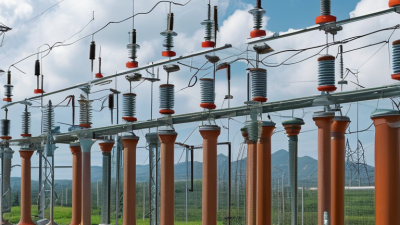
Standoff insulators play a critical role in electrical systems. They provide essential support and electrical insulation for various components. These insulators ensure that electrical conductors maintain proper spacing from grounded structures, helping to prevent electrical faults. Their design usually features specific materials that withstand harsh environmental conditions.
In many installations, the choice of standoff insulator can be pivotal. The wrong insulator may lead to system failures or safety hazards. Engineers must consider factors like voltage levels, environmental exposure, and mechanical stress during selection. A failure to analyze these aspects thoroughly can result in costly repairs and downtime.
Understanding the importance of standoff insulators requires expertise. Professionals often rely on guidelines and standards to make informed decisions. Yet, even experienced engineers may find gaps in their knowledge. Continuous learning in material science and electrical performance is crucial for optimizing system reliability. Small oversights can lead to major system vulnerabilities. Reflecting on these challenges helps improve future design choices and safety measures.
Key Materials Used in Manufacturing Standoff Insulators
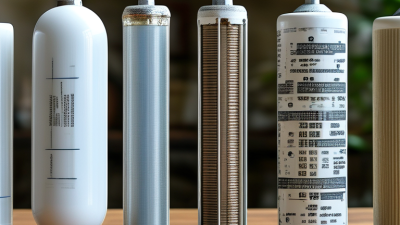
Standoff insulators play a crucial role in electrical applications. The materials used for manufacturing these insulators directly influence their performance. Common materials include ceramic, glass, and polymer compounds. Each has unique properties that cater to different environmental conditions.
Ceramic insulators are known for high heat resistance. They offer good electrical insulation and mechanical stability. However, they can be brittle and susceptible to breakage if mishandled. Glass insulators, on the other hand, provide excellent transparency. Inspecting for defects is easier with glass. Yet, they might not withstand extreme temperatures as well as ceramics.
Polymer standoff insulators have gained popularity due to their lightweight nature. They help in reducing installation costs. However, long-term UV exposure can degrade some polymer materials. Engineers must consider these factors when choosing the right insulator. The right choice involves balancing cost, performance, and environmental factors. It can be tricky and often requires thorough testing.
Criteria for Selecting the Right Standoff Insulator for Global Sourcing
When selecting a standoff insulator for global sourcing, consider crucial criteria. Start with material properties. The insulator should withstand various environmental conditions. Look for resistance to heat, chemicals, and UV exposure. Durability is essential for long-term performance.
Next, evaluate design specifications. Standoff insulators come in various shapes and sizes. Ensure compatibility with existing systems. Pay attention to voltage ratings. Insulators must handle the electrical load without failure. Testing under real-world conditions provides practical insights.
Don’t overlook supplier reliability. A dependable supplier can provide quality certifications. Investigate their manufacturing processes. Global sourcing requires a collaborative approach. Learn and adapt based on challenges faced during sourcing. Each decision reflects on project success. Balancing cost and quality is often demanding. Choose wisely and reflect on outcomes for future improvements.
Global Suppliers and Manufacturers of Standoff Insulators
When sourcing standoff insulators, global suppliers play a crucial role in ensuring quality and reliability.
Standoff insulators are essential in electrical systems, providing support and electrical isolation. The market demands high-performance products that meet various operational conditions. Suppliers must understand these needs and offer suitable options.
Many manufacturers specialize in producing standoff insulators. They often use different materials, such as ceramics and polymers, each with unique properties. The right choice can impact performance, especially in high-voltage applications. Poor selection may lead to failures or risks. Thus, expertise in material science is vital for these suppliers.
Collaboration with global manufacturers can bring advantages. They often understand regional regulations and industry standards. However, not all suppliers meet these requirements. Always verify certifications and product specifications. This diligence ensures the right insulator for specific applications, enhancing safety and efficiency across the board.
Conclusion
This article explores the significance of standoff insulators in electrical systems, emphasizing their crucial role in ensuring safety and functionality. It details the key materials utilized in the manufacturing process of standoff insulators, which significantly influence their performance and durability. When selecting the right standoff insulator for global sourcing needs, various criteria must be considered, including material characteristics, environmental resistance, and manufacturing standards.
Additionally, the article highlights global suppliers and manufacturers that specialize in standoff insulators, offering insights into their capabilities and the diverse options available in the market. It also addresses current trends and innovations in standoff insulator technology, showcasing the evolution of designs and materials that enhance the efficiency and reliability of electrical systems worldwide. Understanding these aspects is essential for sourcing high-quality standoff insulators that meet specific performance requirements.