2026 Best Medium Voltage Post Insulator Options to Consider?
In the evolving landscape of electrical infrastructure, the choice of a Medium Voltage Post Insulator remains critical. Industry expert, Dr. James Collins, emphasizes that "a reliable insulator is key to system performance." His insight speaks volumes about the importance of selecting the right insulator model.
Medium Voltage Post Insulators come in various designs and materials, influencing their performance and longevity. These insulators must withstand environmental stress while ensuring electrical safety. However, not all options are perfect. Each design has its own set of advantages and drawbacks.
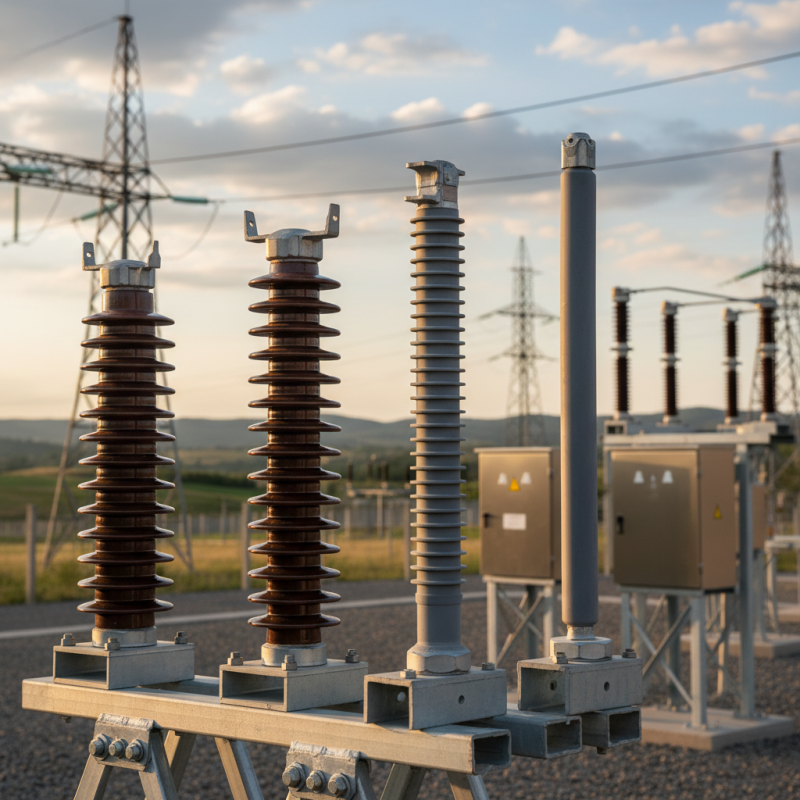
For instance, ceramic insulators are robust but can be heavy, complicating installation. Meanwhile, composite insulators are lighter but may not perform as well in extreme conditions. Careful evaluation of each option is essential. Decision-makers must reflect on the specific needs of their projects. The right choice can enhance reliability, while the wrong one can lead to failures and costly repairs. The quest for the best Medium Voltage Post Insulator continues.
Overview of Medium Voltage Post Insulators and Their Importance
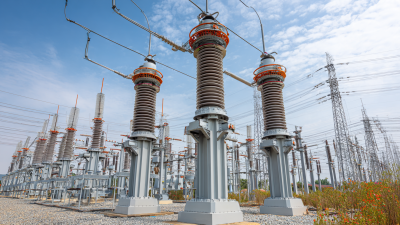
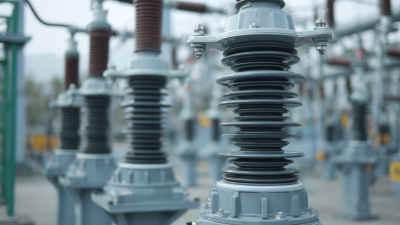
Medium voltage post insulators play a crucial role in electrical systems. They are essential for controlling voltage levels and ensuring safety. According to industry reports, medium voltage insulators can handle voltages between 1 kV and 36 kV, which is critical for urban and rural infrastructure. These components are vital for the reliability of power distribution networks.
Post insulators mainly serve to support overhead conductors. They prevent electrical leakage and offer mechanical stability. In fact, improper insulator choice can lead to service interruptions. A recent study highlighted that up to 15% of outages are linked to faulty insulators. This statistic raises concerns about the quality and selection process of these devices.
Material selection is another important factor. Porcelain and polymer are common materials, but each has specific pros and cons. Porcelain is durable, while polymer insulators are lighter and easier to install. However, they may degrade faster under certain conditions. Proper evaluation of environmental factors is necessary when choosing these insulators. Ignoring such details can have serious implications for the longevity of the electrical system.
Medium Voltage Post Insulator Options
Key Factors to Consider When Selecting Medium Voltage Post Insulators
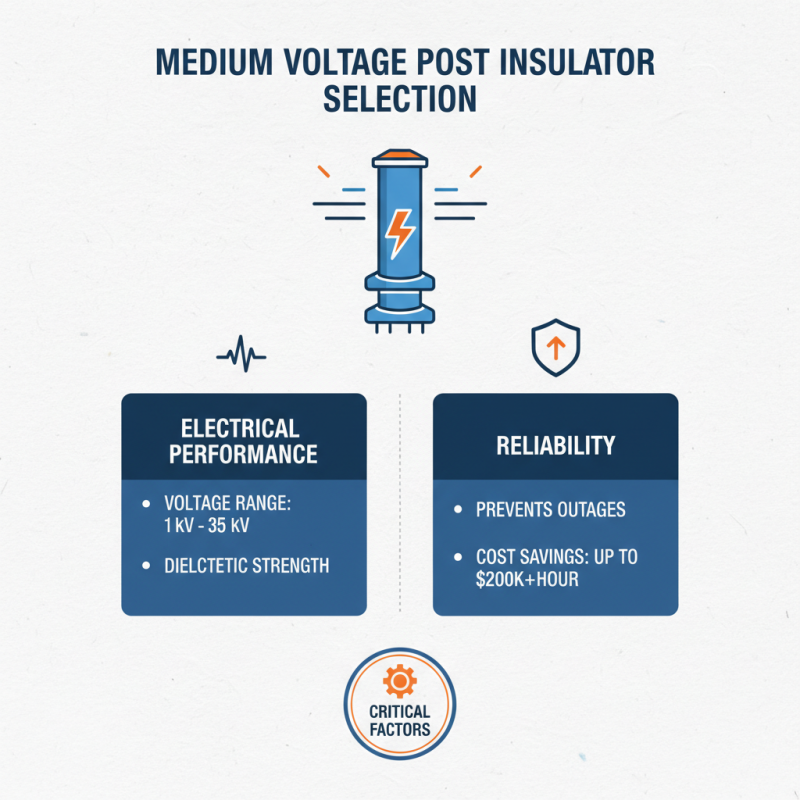
When selecting medium voltage post insulators, several key factors come into play. One critical aspect is electrical performance. Insulators must withstand voltage levels typically ranging from 1 kV to 35 kV. As indicated in industry reports, reliability is paramount. Insulator failures can lead to significant outages and maintenance costs, potentially exceeding $200,000 per hour, depending on the network's scale.
Material selection is equally significant. Common materials include porcelain and composite options, each with unique performance profiles. Porcelain offers excellent mechanical strength and environmental resistance. However, it can be brittle. In contrast, composite insulators are lighter and more resistant to pollution. Nonetheless, their long-term durability still raises some questions.
Environmental conditions cannot be overlooked either. Factors like UV exposure, temperature variations, and pollution levels should influence your selection. Research shows that insulators in coastal areas face harsher conditions, leading to increased wear and tear. Adopting a one-size-fits-all approach may lead to future issues. Each deployment site is distinct. Therefore, assessing local conditions is necessary for optimal performance.
Comparison of Materials Used in Medium Voltage Post Insulators
The choice of materials in medium voltage post insulators significantly impacts their performance and longevity. Common materials include porcelain, polymer, and glass. Porcelain has been favored for its superior electrical insulation and mechanical strength. It withstands extreme weather and has a proven track record in various applications. However, it can be heavy and fragile, raising concerns during installation and transport.
Polymer insulators have gained traction in recent years. They are lighter and less prone to breakage compared to porcelain. According to a 2022 industry report, polymer insulators have shown a 30% reduction in failures due to their ability to resist contamination and aging. Yet, they may not offer the same level of resistance to UV radiation, leading to questions about their long-term reliability.
Glass insulators provide an interesting alternative. They are transparent, allowing visual inspections without a need for disassembly. However, they are less commonly used due to their weight and complexity in handling. The variances in performance among these materials highlight the need for careful selection based on specific environmental conditions and application requirements. Each material has strengths and weaknesses that must be considered, ultimately shaping the choices made by utility companies and engineers.
2026 Best Medium Voltage Post Insulator Options to Consider
| Material Type |
Dielectric Strength (kV/mm) |
Mechanical Strength (MPa) |
Thermal Stability (°C) |
Weight (kg) |
Price Range (USD) |
| Porcelain |
20 |
70 |
150 |
5 |
$50 - $100 |
| Polymer |
30 |
60 |
120 |
3.5 |
$40 - $80 |
| Glass |
25 |
85 |
180 |
6 |
$70 - $120 |
| Composite |
28 |
75 |
140 |
4.5 |
$60 - $110 |
Performance Standards and Testing Procedures for Post Insulators
When evaluating medium voltage post insulators, performance standards are crucial. Insulators must meet rigorous testing procedures to ensure reliability and durability. According to recent industry reports, utilities require insulators to withstand a minimum of 100 kV/BIL for optimal operation in harsh environments. Manufacturers typically subject these insulators to mechanical stress tests and electrical tests to assess their efficiency.
The method of testing often involves applying high voltage for extended periods. For instance, a common practice is subjecting insulators to 10,000 hours of voltage stress. This simulates real-world conditions and identifies potential weaknesses. Unfortunately, not all insulators pass these stringent tests, which raises questions about safety and reliability in the field. Data shows that up to 15% of insulators can fail inspection due to defects that may not be visible initially.
Testing procedures are not uniform across the industry. Variations in standards can lead to inconsistencies in performance. Some manufacturers might follow outdated methods that fail to meet today's needs. As a result, engineers must be vigilant when selecting insulators, ensuring they adhere to the latest standards. A careful evaluation could prevent failures and enhance system reliability.
Future Trends in Medium Voltage Post Insulator Technology and Applications
The landscape of medium voltage post insulators is evolving rapidly. The increasing demand for renewable energy is driving new innovations. According to recent industry reports, the market for medium voltage insulators is expected to grow at a compound annual growth rate (CAGR) of 5.7% through 2026. This growth is largely fueled by the integration of smart grid technologies.
Materials used in insulator manufacturing are seeing significant advancements. New composite materials and coatings enhance durability and performance. Some reports indicate that these materials outperform traditional ceramic insulators in terms of resistance to environmental stressors. However, challenges remain. The cost of developing these advanced materials can be high, impacting initial investment decisions for utilities.
There is also a shift towards more sustainable practices. Circular economy principles are beginning to influence production methods in this sector. Recycling options for end-of-life insulators are still limited, raising questions about waste management. While progress is being made, stakeholders must address these challenges. The future of medium voltage post insulators is promising yet requires continued innovation and reflection on sustainability practices.