What is the Best Grounding Busbar Insulator for 2026?
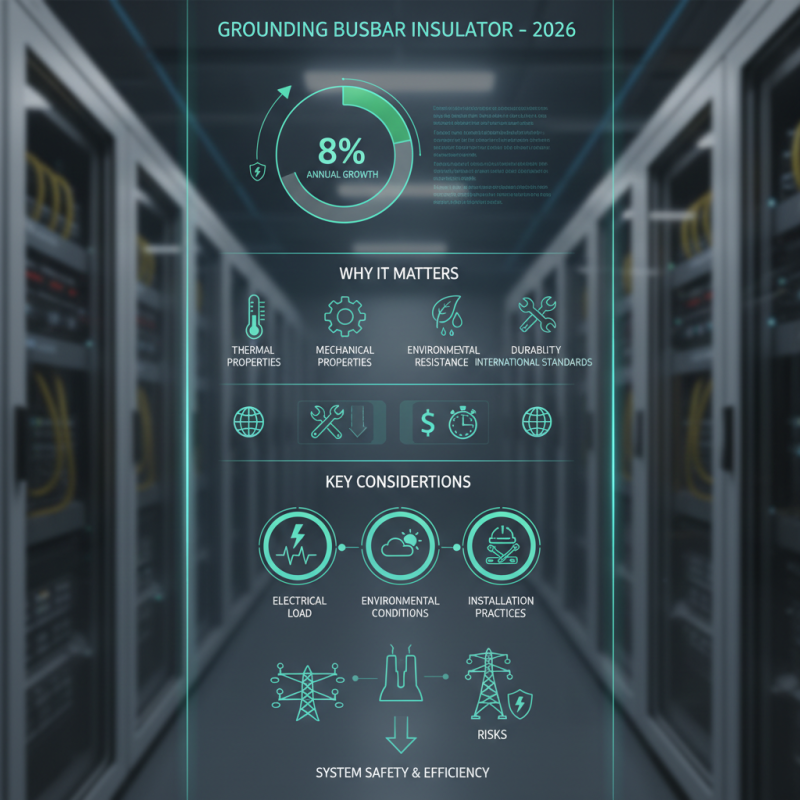
As the demand for efficient grounding solutions continues to rise, choosing the right Grounding Busbar Insulator is crucial. A recent industry report indicates that the grounding market is projected to grow by over 8% annually through 2026. This reflects an increased focus on safety and reliability in electrical systems. The right insulator minimizes electrical risks and enhances performance.
Several manufacturers have launched advanced materials, improving thermal and mechanical properties. For instance, polymer-based insulators show excellent resistance to environmental conditions. However, not all insulation solutions are created equal. Some may fail early, leading to costly downtime and safety issues. Industry feedback highlights the importance of durability and compliance with international standards.
Selecting a Grounding Busbar Insulator requires careful consideration. Factors such as electrical load, environmental conditions, and installation practices play a significant role. A well-chosen insulator not only ensures system safety but also increases overall operational efficiency. Failure to prioritize these aspects can result in severe implications for electrical infrastructure. As we approach 2026, the choice of insulators will significantly impact the electrical industry.
Overview of Grounding Busbar Insulators
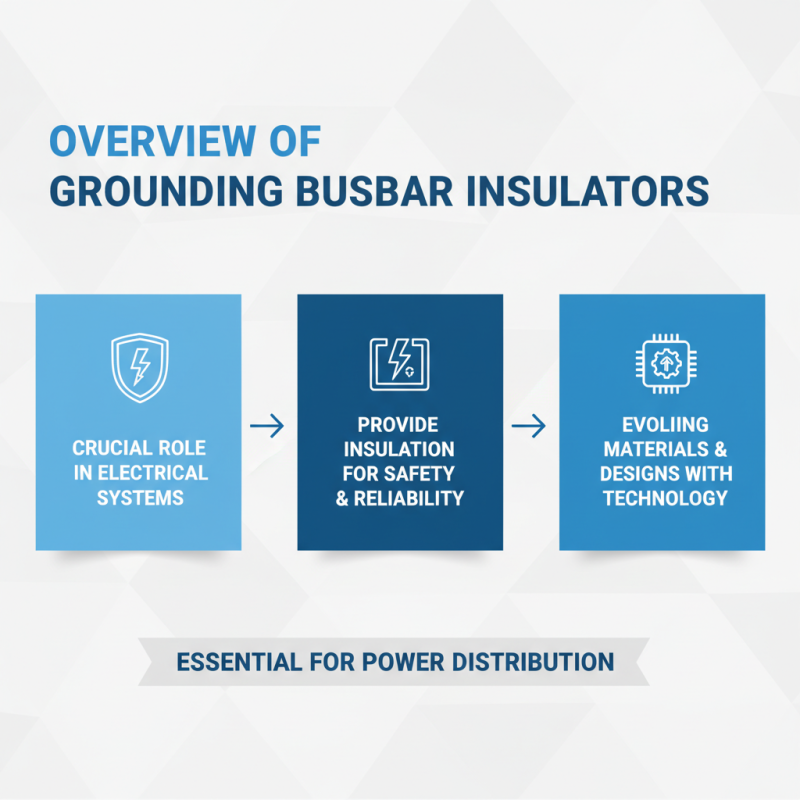
Grounding busbar insulators play a crucial role in electrical systems. They provide necessary insulation to prevent unwanted current flow. This ensures safety and reliability in power distribution. As technology evolves, so do the materials and designs of these insulators.
In 2026, we expect advancements that improve performance. Innovative materials may offer better durability and resistance to environmental factors. Testing various designs will be essential for determining effectiveness. Users should consider factors such as thermal and dielectric properties when making choices.
Challenges still exist in selecting the right insulator. Some materials perform well in specific conditions but fail in others. Understanding these limitations is vital. Regular assessments should guide maintenance and replacements. Each choice can significantly impact system behavior and safety.
Importance of Grounding Busbar Insulators in Electrical Systems
Grounding busbar insulators play a crucial role in electrical systems. They ensure safety and prevent short circuits by providing necessary insulation and support. These insulators help maintain the integrity of electrical connections. Without proper insulation, systems can fail, resulting in costly downtime and hazards.
Choosing the right grounding busbar insulator involves considering various factors. Environmental conditions significantly affect insulator performance. Moisture and humidity can degrade materials over time. Regular inspections help identify wear or damage.
Tips for selecting insulators include examining materials and design. Opt for high-quality materials that withstand environmental stress. Additionally, an appropriate design can offer better performance aspects. Always consult with professionals for recommendations that suit specific installations. Grounding systems can fail, so constant evaluation is essential for reliability.
Key Features to Consider When Choosing Insulators
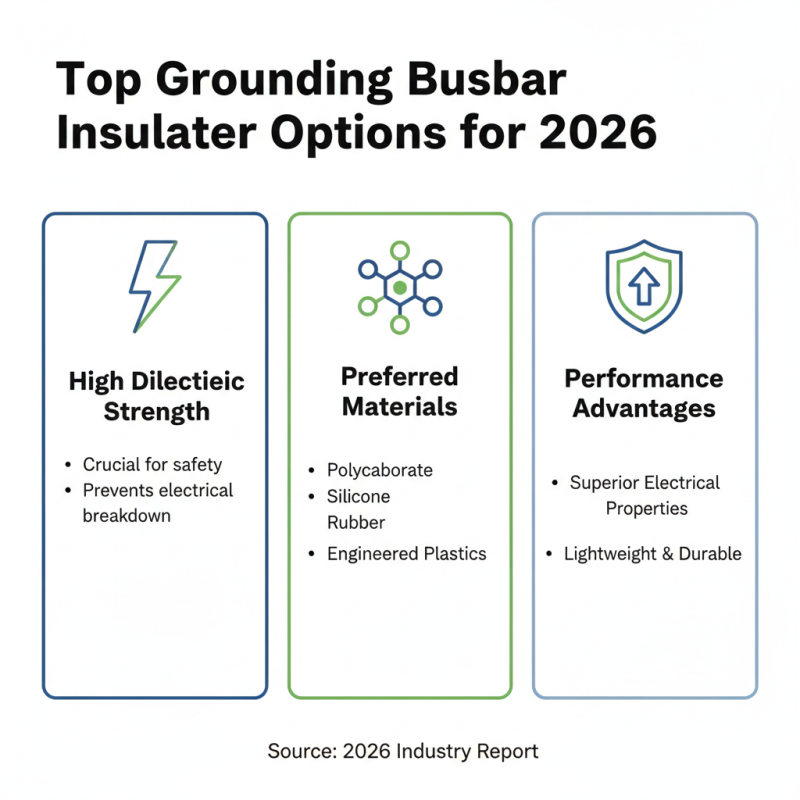
When selecting a grounding busbar insulator, several key features should be prioritized. The material of the insulator plays a crucial role in its performance. Common materials include epoxy, silicone, and glass-fiber composites. Each offers different levels of durability and insulation properties. For example, silicone provides excellent weather resistance but may not be suitable for all environments.
Voltage rating is another critical factor. Ensure the insulator can withstand the maximum voltage in your application. Underestimating voltage ratings can lead to catastrophic failures. Pay attention to the insulator's physical size and weight as well. Adapting an insulator that fits your busbar securely is essential for safety and reliability.
Thermal stability is worth evaluating. An insulator must perform well across a range of temperatures. Poor thermal performance can lead to degradation over time. It's also beneficial to consider installation ease. Complicated setups may increase labor costs and installation times. Reflecting on these elements helps in selecting the most effective grounding busbar insulator.
Key Features of Grounding Busbar Insulators for 2026
Future Trends in Grounding Busbar Insulator Technology
As we look towards 2026, advancements in grounding busbar insulator technology are emerging. Enhanced materials are paving the way for better durability. Innovations such as high-temperature resistant plastics and advanced ceramics can withstand extreme conditions. These materials promise improved performance and reliability, essential for various industrial applications.
Furthermore, trends indicate a focus on sustainability. Manufacturers are exploring eco-friendly options in production. Biodegradable and recyclable materials are gaining traction. While these alternatives may not perform as well under certain conditions, they present an opportunity for manufacturers to shift towards greener practices. Customer demand for sustainable solutions may drive more research in this area.
Moreover, future designs will prioritize ease of installation. User-friendly insulators may feature snap-on designs or modular components. Yet, finding the perfect balance between ease and reliability can be challenging. Safety remains paramount as product designs evolve. Testing protocols must adapt to ensure effectiveness while embracing new technologies.
What is the Best Grounding Busbar Insulator for 2026? - Future Trends in Grounding Busbar Insulator Technology
| Material |
Dielectric Strength (kV/mm) |
Temperature Range (°C) |
Mechanical Strength (MPa) |
Future Availability (2026) |
| Polyethylene |
20 |
-40 to 80 |
30 |
High |
| Epoxy Resin |
25 |
-50 to 90 |
50 |
Moderate |
| Silicone |
15 |
-60 to 200 |
25 |
High |
| Polycarbonate |
30 |
-40 to 120 |
40 |
Very High |
| urethane foam |
10 |
-30 to 70 |
20 |
Moderate |