Top 10 Benefits of Composite Type Insulator for Global Buyers?
In the evolving world of electrical engineering, the significance of Composite Type Insulators cannot be overstated. Renowned expert Dr. Emily Sanders emphasizes, “Composite Type Insulators are revolutionizing our approach to power transmission.” Their innovative design combines various materials to enhance durability and performance.
These insulators offer several advantages that cater to global buyers. For instance, their resistance to environmental factors ensures longevity, making them a reliable choice in diverse climates. Furthermore, the lightweight nature of Composite Type Insulators simplifies installation processes, subsequently reducing labor costs. However, the initial investment can be higher, posing a challenge for some buyers.
As the demand for efficient energy solutions grows, embracing Composite Type Insulators becomes essential. While there may be concerns regarding their long-term reliability, advancements in technology continue to address these issues. Balancing cost and performance is crucial for companies looking to thrive in this competitive market.

Overview of Composite Type Insulators and Their Applications
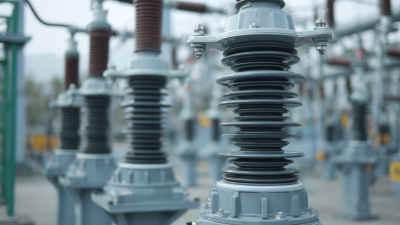
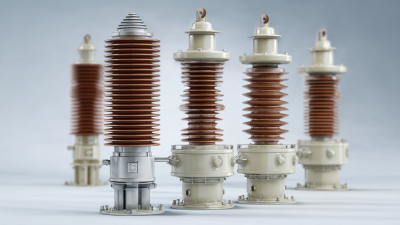
Composite type insulators have gained significant traction in the power industry due to their unique properties. Unlike traditional ceramic or glass insulators, composite insulators are lightweight, reducing installation costs and enhancing safety. Industry data indicates that the global composite insulator market was valued at approximately $970 million in 2020, with a predicted growth rate of 6.3% through 2027. This trend highlights their increasing use in various applications.
These insulators are particularly effective in harsh environments. They resist pollution and withstand extreme weather conditions. This resilience extends their lifespan, particularly in coastal and industrial areas. Studies showcase that composite insulators can last over 30 years in challenging conditions. Additionally, their hydrophobic surface properties help prevent flashovers, a common issue with traditional insulators.
Despite these advantages, there's still room for improvement. Some users report challenges in performance under specific temperatures. Designers need to address these concerns to optimize the insulator's capabilities further. Continuous innovation and research can bridge these gaps, enhancing reliability and ensuring that composite insulators remain a preferred choice in the energy sector.
Balancing performance with cost-effectiveness will be key for future developments in this field.
Durability and Resistance to Environmental Factors
Composite type insulators offer exceptional durability and resistance to environmental factors. One of their main advantages is their ability to withstand harsh weather conditions. These insulators perform well in extreme temperatures, from scorching heat to freezing cold. They are less prone to cracking and wear, which prolongs their lifespan and reduces maintenance needs.
Moreover, the materials used in composite insulators are resistant to UV radiation. This characteristic helps maintain their integrity over time. Their lightweight nature also means they are easier to install and handle. However, it's important to consider that, while they are generally durable, improper installation can lead to unexpected failures.
They also resist contamination and pollution. Unlike traditional materials, composite insulators do not easily degrade when exposed to environmental toxins. This is vital in urban settings where air quality can be poor. Still, manufacturers must ensure quality control during production to meet the evolving standards. Balancing performance with production challenges is crucial for long-lasting reliability in various applications.
Cost-Effectiveness Compared to Traditional Insulators
The cost-effectiveness of composite type insulators is becoming evident for global buyers. When compared to traditional insulators, composite materials offer significant savings. Their lightweight nature reduces transportation and installation costs. Additionally, they require less maintenance due to their durability.
Composite insulators can withstand harsh environmental conditions, which enhances their lifespan. This longevity means fewer replacements, translating to long-term financial benefits. However, some may still have concerns regarding their initial investment. It’s crucial to weigh the upfront costs against future savings.
Moreover, while composite insulators promise high performance, not all applications may benefit equally. Buyers need to evaluate specific needs carefully. A deeper understanding of various environments and operational conditions is vital. Factors like temperature, humidity, and pollution levels play a role in performance. The initial hesitation reflects a need for thorough research and planning.
Cost-Effectiveness of Composite Type Insulators Compared to Traditional Insulators
Enhanced Electrical Performance and Safety Features
Composite type insulators are gaining popularity due to their enhanced electrical performance and safety features. These insulators offer superior resistance to environmental factors. They withstand harsh conditions better than many traditional insulators. Their ability to maintain functionality in extreme temperatures adds to their reliability.
One key advantage is their lightweight nature. This feature simplifies installation and reduces transportation costs. Despite their strength, they carry a risk of damage if improperly handled. Ensure that your team is trained in proper installation techniques. Inspection is also crucial, as small defects can lead to larger issues later.
When considering composite insulators, think about the long-term benefits. They require less maintenance compared to ceramic and glass types. The reduction in maintenance needs can lead to significant cost savings for power utilities. Regularly assess the insulators’ condition to prevent failures. Understanding their performance in various climates is essential. This knowledge aids in making informed purchasing decisions.
Global Market Trends and Adoption of Composite Insulators
Composite insulators have gained traction in the global market due to their numerous advantages over traditional insulators. A report by Grand View Research highlights that the global composite insulator market is projected to reach $3.91 billion by 2025. This growth reflects the increasing preference for materials that offer enhanced durability and superior electrical performance. Composite insulators are particularly resistant to environmental stresses, making them ideal for diverse weather conditions.
Recent trends indicate a shift towards composite insulators in high-voltage applications. This change is driven by their lightweight properties and reduced maintenance needs, which align with modern infrastructure demands. Data from the International Energy Agency suggests that worldwide energy consumption will grow by 30% by 2040. As utility companies seek efficient solutions, composite insulators emerge as a viable option. However, the initial cost remains a concern for some buyers, prompting a careful evaluation of long-term benefits versus upfront investments.
The adoption of composite insulators is also influenced by sustainability goals. The need for eco-friendly materials is becoming vital as environmental regulations tighten. Reports from the World Bank show that renewable energy investments are projected to reach $2.6 trillion by 2025. Integrating composite insulators can contribute to these initiatives, yet buyers must weigh the advantages against historical reliance on older technologies. This careful consideration is crucial for achieving a balance between innovation and reliability in the electrical grid.